

Passendale is a Belgian semi-hard cheese with a distinctive red rind and a creamy, mild flavor. Named after the West Flemish village of Passendale, near Ypres, it’s considered a true classic in Belgium, equally at home on a sandwich or a charcuterie and cheese board. First-timers are usually won over by the combination of a supple, slightly springy interior and a gentle, hay-like finish.
In this article, you’ll find out where Passendale comes from, what it tastes like, whether you can eat the rind, and what to pair it with.

Origin: a Flemish abbey-style cheese
The cheese takes its name from the village of Passendale in the Flemish Westhoek, a region that gained worldwide recognition during the First World War. The cheese itself is more recent: it was developed in the 1980s for the Passendale dairy cooperative, with the goal of creating a distinctive Flemish cheese in the abbey style. The red wax coating, rounded shape, and soft rind are visual nods to traditional Trappist cheeses, but Passendale is made with pasteurized cow’s milk and is not a monastery product in the strict sense.
The cheese ages for about four to six weeks in drying rooms and is turned regularly. This keeps the interior supple and lets the flavor develop gently, without any sharp edges.
Flavor and texture
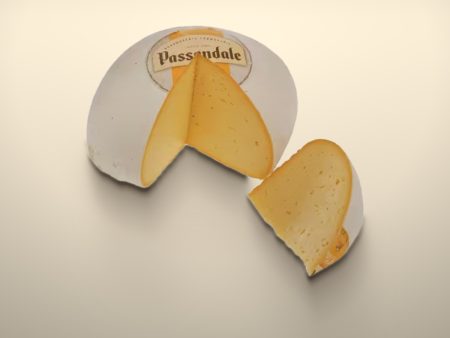
Passendale has an ivory-colored, slightly open interior with small, irregular holes. The fat content is around 50 percent in dry matter, which gives the cheese its characteristically creamy mouthfeel. The flavor is mild and buttery, with hints of hay and nuts. It never gets sharp, even as it ages, making it a safe bet for anyone who enjoys approachable cheeses.
In terms of texture, Passendale sits somewhere between a young Dutch mature cheese and a French Saint Paulin. It slices cleanly, doesn’t crumble, and turns pleasantly smooth at room temperature. Take it out of the fridge half an hour to an hour before serving and the aromas really open up.
Is the rind of Passendale edible?
A common question, and the answer is: technically yes, but most people cut it off. The red layer is a thin wax coating applied over the natural cheese rind for protection and identification. The wax itself is not meant to be swallowed. The inner rind, which sits directly against the cheese, is edible and has a slightly firmer, earthier character than the rest of the cheese.
In practice: just cut a thin slice including the rind and taste it. If you like the bite, go ahead and eat it. If the texture feels too chewy, trim it off next time. There’s no right or wrong.
How to serve Passendale
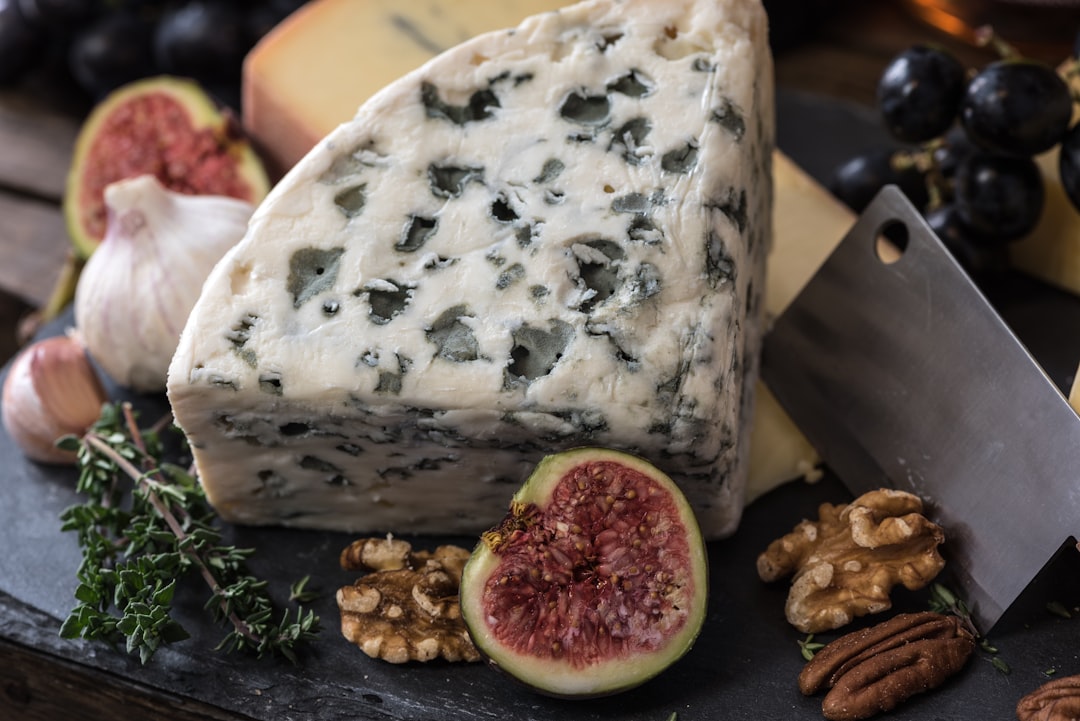
Thanks to its mild profile, Passendale works beautifully as an anchor on a cheese board. It doesn’t dominate, giving bolder cheeses room to shine. I personally love using it as a calm counterpoint next to a blue cheese or a punchy goat cheese.
- Charcuterie and cheese board: pair it with grapes, walnuts, and a good rustic loaf. A thin slice of fig bread takes it to the next level.
- On a sandwich: classic with a layer of butter and a little mustard, or with a thin slice of smoked ham.
- Cooked: Passendale melts beautifully. Crumble it over gratinéed chicory or stir it into a savory tart.
- Drink pairings: a Belgian blonde ale or a light white wine like Pinot Blanc works perfectly. For the connoisseur: a glass of Westmalle Dubbel.
Looking for more pairing ideas? Check out our guide to cheese and wine pairings or our tips on storing cheese to keep it at its best.
Similar cheeses
If you enjoy Passendale, these are worth trying too:
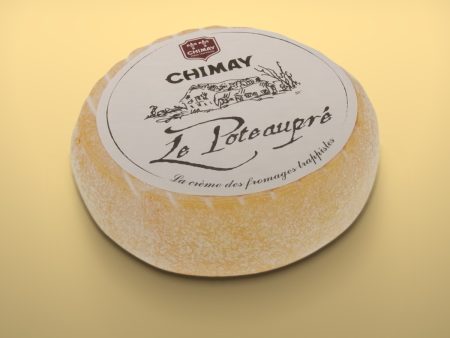
- Chimay Poteaupre: a Belgian Trappist cheese with more character and a true abbey origin.
- Saint Thibaud: a French washed-rind cheese with a rounder, slightly bolder flavor.
- Le Campagnier: a French farmhouse cheese for those who love mild but want something a little creamier.
Want to try it yourself?
At Cheese In A Box, we carry Passendale and its Belgian neighbors, freshly cut and ready to order. You can buy them individually online or include them in a tasting box.

Or let us surprise you every month with our cheese subscription: four special cheeses delivered to your door, with tasting notes and serving tips included.