

A cheese board is one of the best things you can put in front of your guests. No complicated recipe, no hours in the kitchen, yet still seriously impressive. All you need is a good selection of cheeses and a few accompaniments. But how do you choose that selection?
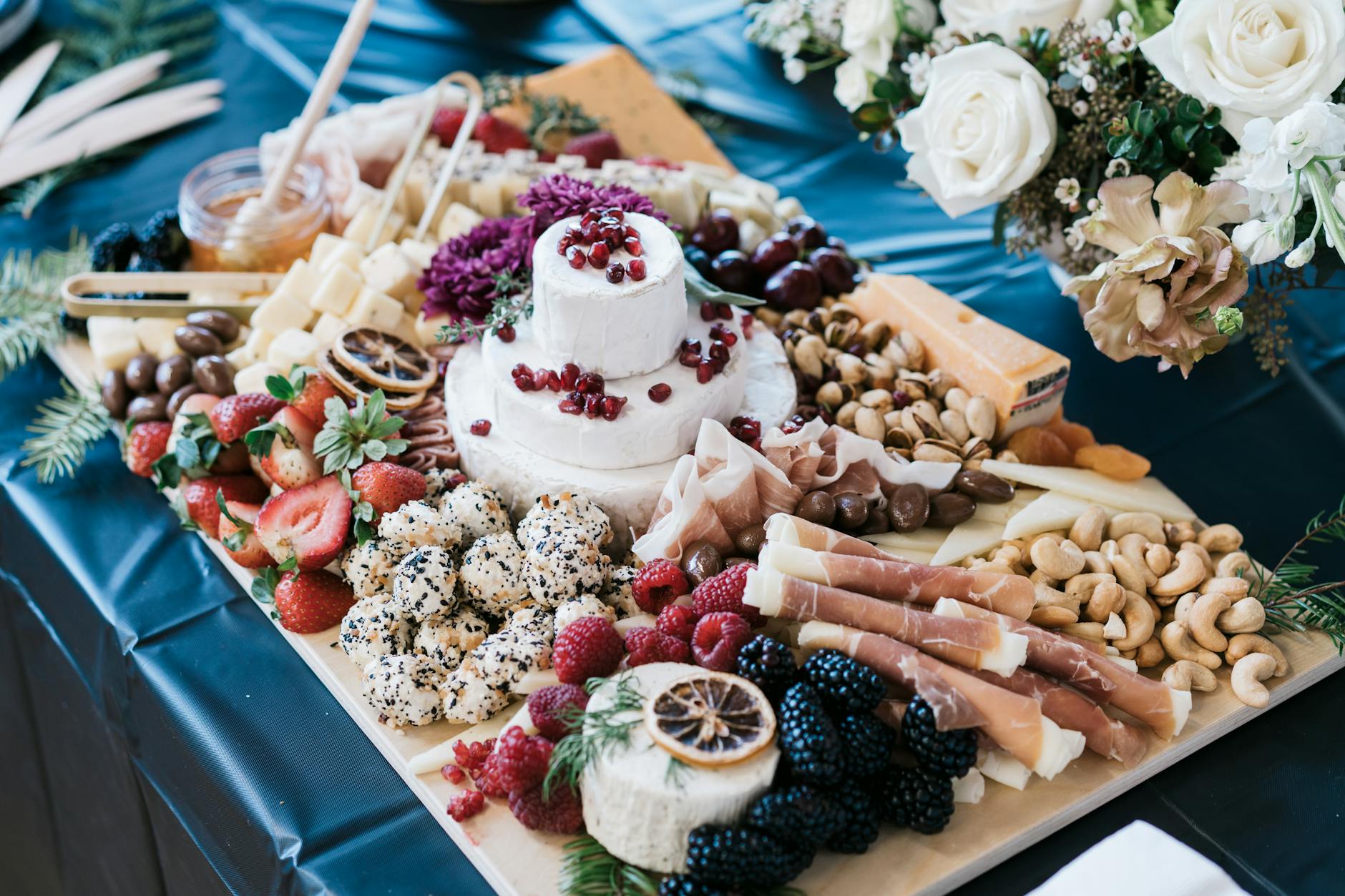
How much cheese per person?
Plan on about 150 to 200 grams of cheese per person if the cheese board is the main event of the evening. Serving it as a finish after a meal? Then 80 to 100 grams is plenty.
Choose at least 3 cheeses and no more than 5 or 6. Too few and there’s nothing to explore. Too many and it becomes overwhelming.
The golden rule: variety in everything
A great cheese board has contrast on three levels:
- Texture: combine a soft cheese with a hard cheese and something in between
- Flavor: from mild to bold, with something sweet or nutty in the mix
- Origin: mix Dutch with French, Italian or English for a sense of discovery
Want to know more about the basics of Dutch cheese? Read our article on what Gouda cheese actually is and discover the difference with real farmhouse cheese.
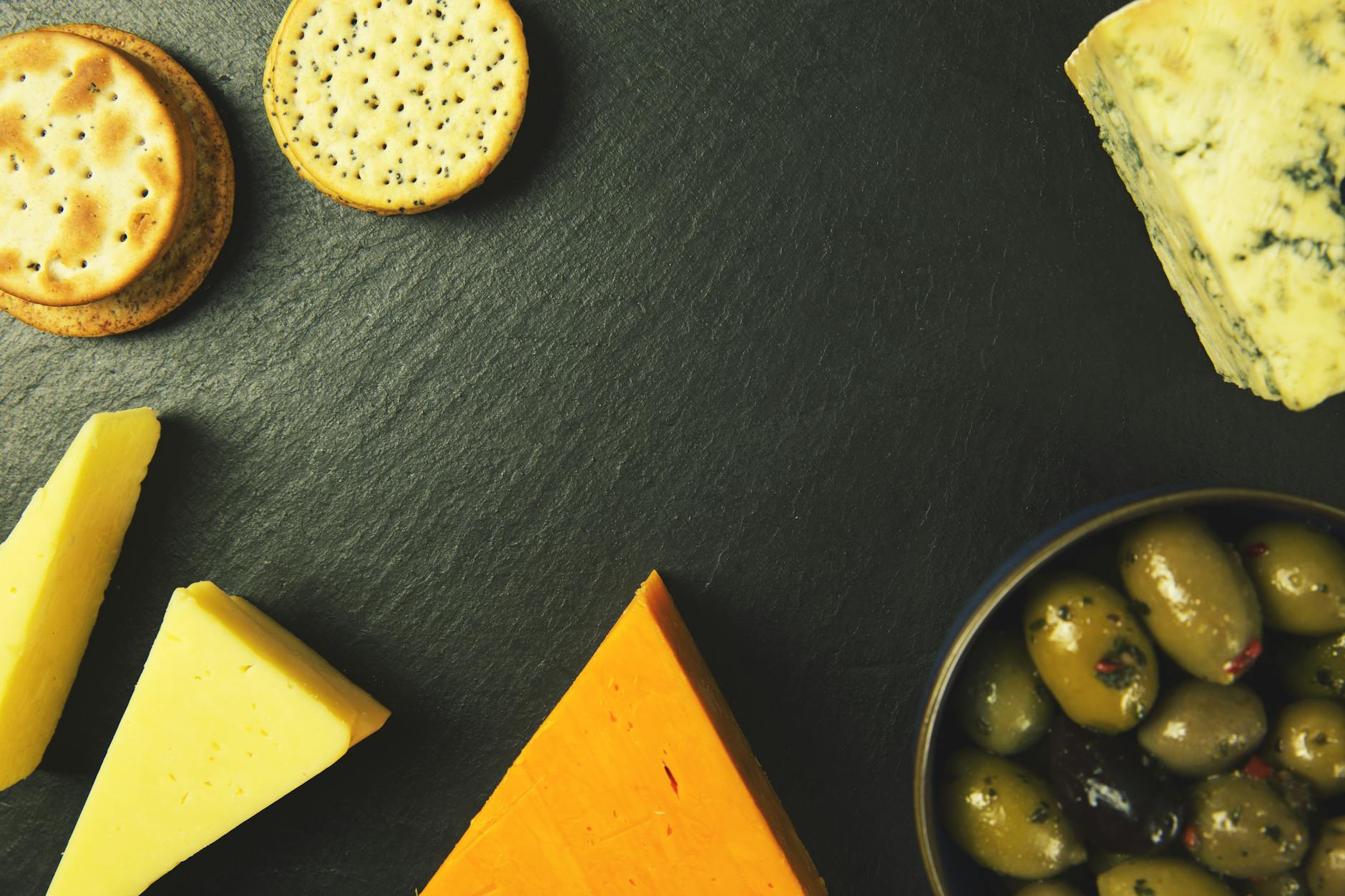
An example cheese board with 5 cheeses
This is a combination that always works:
- Soft and creamy: cream brie or a Brie de Meaux. Oozy, mild, and a crowd-pleaser.
- Semi-hard and characterful: a Noord-Hollands extra mature. The backbone of your board.
- Hard and intense: Parmigiano Reggiano broken into chunks. Pure umami.
- Blue and bold: Blue Shropshire. Stunning to look at with that orange hue, and a milder blue than Roquefort.
- The wildcard: truffle cheese. Always a conversation starter.
The right accompaniments make all the difference
Cheese on its own is good, but with the right accompaniments it becomes something special:
- Bread and crackers: choose a neutral variety that doesn’t overpower the cheese. Pavesi crackers are perfect.
- Fruit: grapes, figs, apple or pear. The sweetness contrasts beautifully with salty and bold cheeses.
- Nuts: walnuts are the classic choice. Almonds also pair well with hard cheeses.
- Something sweet: fig bread, honey or a chutney. Honey on blue cheese is heavenly.
Presentation tips
Use a wooden board or a stone platter. Place the soft cheeses toward the edge (easier to cut), the hard ones in the center. Give each cheese its own knife to prevent flavors from mixing.
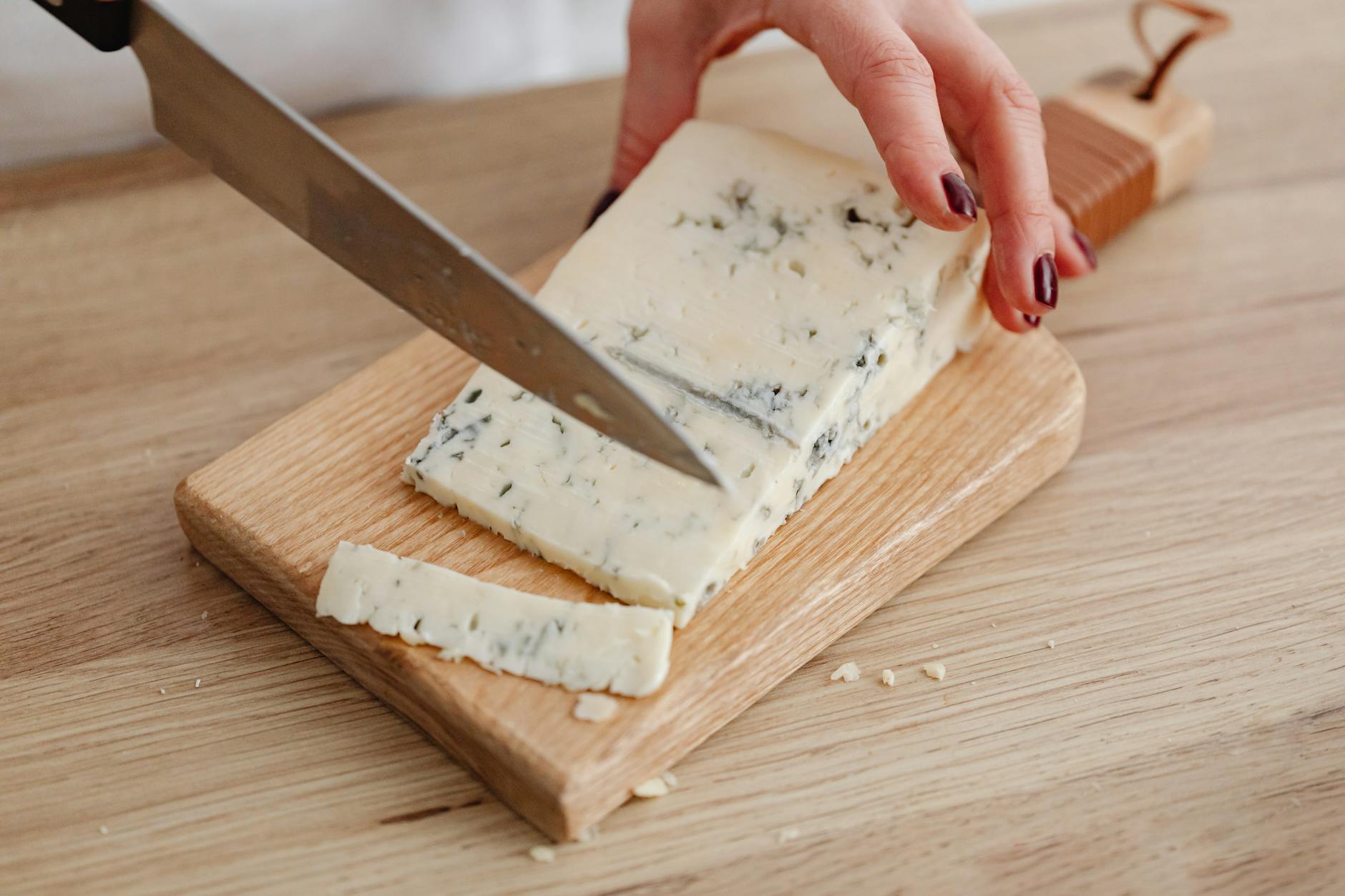
Take the cheese out of the fridge at least 30 minutes before serving. Cold cheese tastes flat. At room temperature, all the flavors and aromas are free to shine.
Want to taste for yourself?
At Cheese In A Box, we carry these cheeses freshly cut in our range:
-
Vanaf € 2,75 — or abonneer & bespaar 10%
-
-
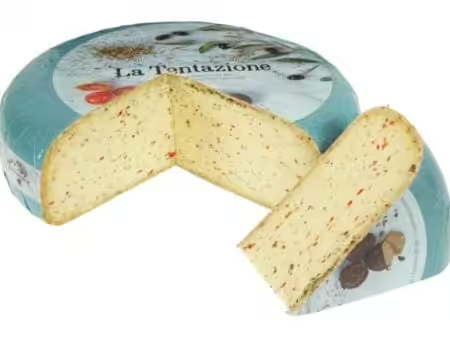 Vanaf € 8,95 — or abonneer & bespaar 10%
<span class="gtm4wp_productdata" style="display:none; visibility:hidden;" data-gtm4wp_product_data="{"internal_id":7599,"item_id":7599,"item_name":"La Tentazione Met Truffel","sku":"16024","price":8.95,"
Cheeses for your board
Our guides on individual cheeses that work well on a cheese board:
More to read about cheese?
Browse all our articles about artisan cheese, recipes and tips.
More articles
No image·4 min readOrdering cheese for drinks: the best choices
A good gathering without cheese? That’s like a party without music. Cheese is the ultimate sharing snack: no fuss, ready to serve straight away, and something for everyone. But which cheese do you choose? And how much do you need? In this guide you’ll read all about cheese for your gathering and how to order it easily online […]
Read more →No image·3 min readNoord-Hollands cheese vs Gouda: what’s the difference?
Noord-Hollands cheese is always Gouda, but Gouda isn’t always Noord-Hollands. Learn the difference and discover why connoisseurs choose Noord-Hollands.
Read more →No image·4 min readWhat does 20+ cheese mean? Everything about fat content in cheese
The fat percentage on cheese (20+, 30+, 48+) tells you something about the flavor, not about how fattening it is. Find out what those plus numbers mean and which cheese suits you best.
Read more →
