

You see it more and more on the labels of special cheeses: “au lait cru”, “raw milk” or simply “raw-milk cheese.” It might sound unusual, but raw-milk cheese is actually the original way of making cheese. And once you’ve tasted it, you’ll understand why connoisseurs are so enthusiastic about it.
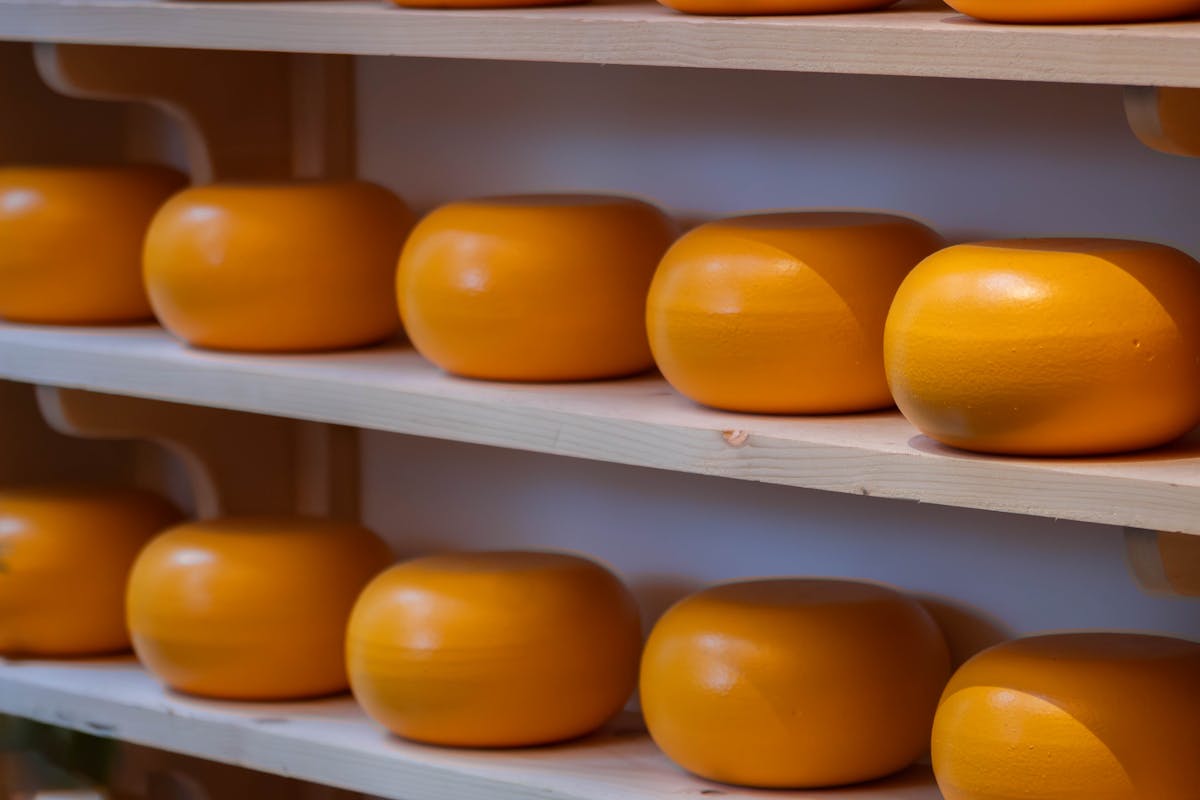
What is raw-milk cheese?
Raw-milk cheese is made from milk that has not been pasteurized. Pasteurization heats milk to at least 72 degrees Celsius to kill bacteria. That makes the milk safe and consistent, but it also destroys the beneficial bacteria and enzymes that give cheese its flavor.
With raw-milk cheese, all those natural micro-organisms are preserved. They do their work during the aging process and create a flavor profile you simply won’t find in pasteurized cheese.
The difference in flavor
Pasteurized cheese is consistent. Every batch tastes virtually the same. That’s convenient for the supermarket, but dull for the cheese lover.
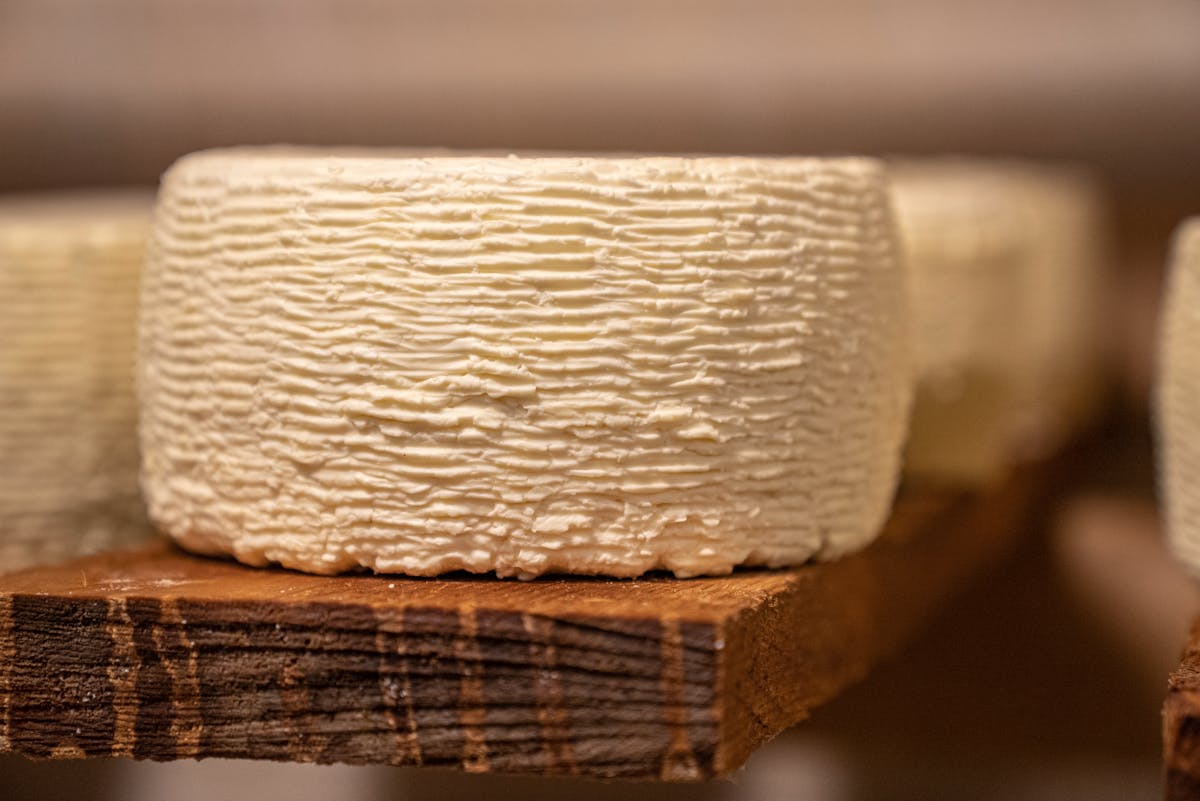
Raw-milk cheese is the opposite. The flavor is more complex, deeper and more variable. You taste the season, the pasture, the breed of the cow. A raw-milk cheese made in June from the milk of cows grazing on spring grass tastes different from the same cheese made in November.
That variation isn’t a drawback, it’s exactly what makes it special. Every cheese tells its own story.
Is raw-milk cheese safe?
Yes, as long as it’s made well. The aging process itself is a natural safety measure. As the cheese matures, the pH and moisture content drop, which inhibits the growth of harmful bacteria. The EU requires that raw-milk cheese be aged for at least 60 days before it can be sold.
Cheesemakers who work with raw milk are especially careful about hygiene. They know their milk, their animals and their process. The choice not to pasteurize the milk isn’t carelessness, it’s a deliberate choice for flavor.
Please note: raw-milk cheese is not recommended for pregnant women or people with a weakened immune system. In that case, take a look at our pregnancy-safe cheeses.
Well-known raw-milk cheeses
Many of the world’s most famous cheeses are made from raw milk:
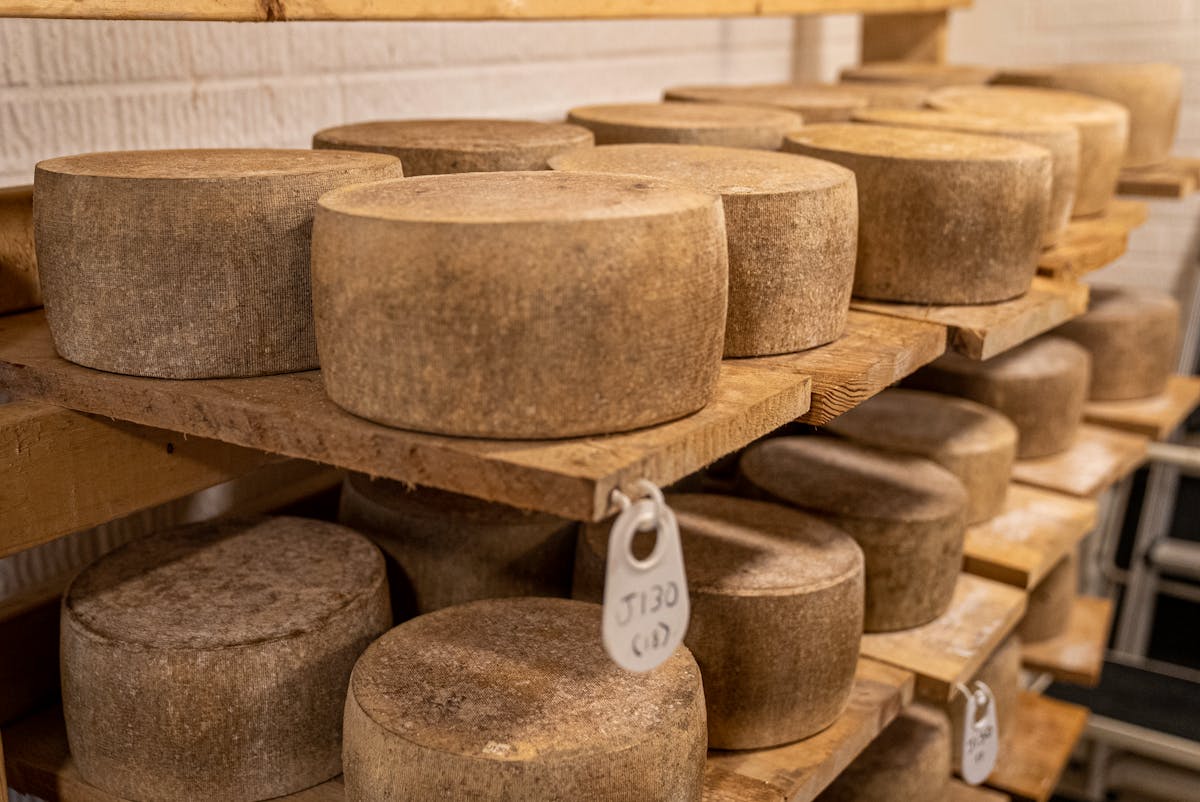
- Parmigiano Reggiano: the king of Italian cheeses, always raw-milk. Available in our range.
- Comté: French mountain cheese with a nutty flavor that changes with the seasons.
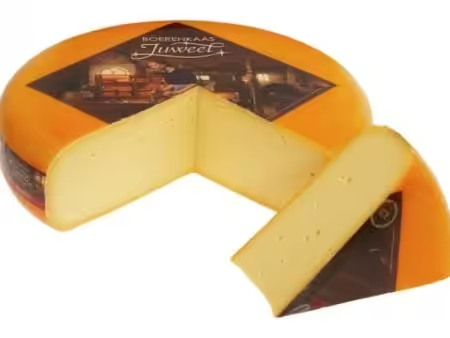
- Farmhouse cheese: raw-milk by definition. Our aged farmhouse cheese is a great example. Read more about what farmhouse cheese actually is.
- Roquefort: the most famous blue cheese, made from raw sheep’s milk.
- Gruyère: a Swiss classic, essential in fondue.
Curious how raw-milk Goudse cheese differs from factory-made Gouda? Read our article on what Goudse cheese is.
Want to taste it yourself?
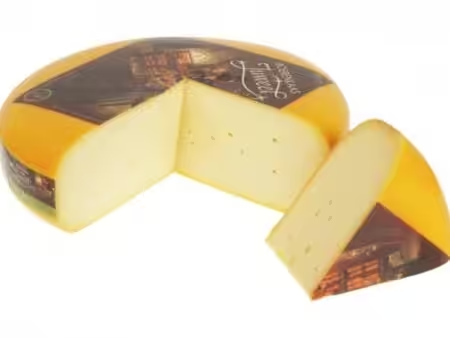
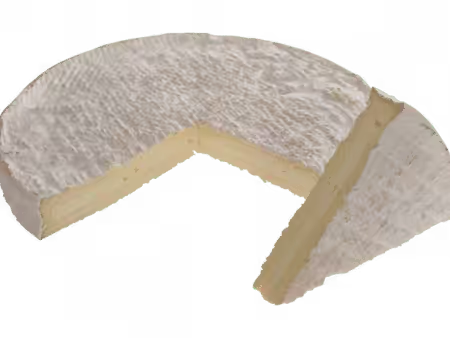
At Cheese In A Box we carry these cheeses, freshly cut and ready to order:
More to read about cheese?
Browse all our articles about artisan cheese, recipes and tips.
More articles
Noord-Hollands cheese vs Gouda: what’s the difference?
Noord-Hollands cheese is always Gouda, but Gouda isn’t always Noord-Hollands. Learn the difference and discover why connoisseurs choose Noord-Hollands.
Read more →Raw milk cheese vs. pasteurized cheese: the flavor difference
Raw milk cheese tastes different from pasteurized, and that difference starts with the milk itself. We walk you through how raw milk shapes the flavor, using farmhouse cheese as a classic example.
Read more →What does 20+ cheese mean? Everything about fat content in cheese
The fat percentage on cheese (20+, 30+, 48+) tells you something about the flavor, not about how fattening it is. Find out what those plus numbers mean and which cheese suits you best.
Read more →