

Raw-milk cheese has a reputation among cheese lovers: more complex, deeper and more vibrant in flavor than its pasteurized counterpart. But what actually makes that difference so significant? Why do artisanal cheesemakers choose raw milk, while most supermarket cheeses are made from pasteurized milk? In this article we walk you through it, from the production process to what you taste in the mouth.
What does raw-milk actually mean?
Raw-milk cheese is made from milk that has not been heated above roughly 40 degrees. The milk goes straight from the cow, goat or sheep into the cheese vat, complete with all the natural bacteria and enzymes it contains. With pasteurized cheese, the milk is briefly heated, usually to around 72 degrees, to kill pathogens. That process makes the milk safer and longer-lasting, but it also kills a large part of the milk’s natural microflora. And it is precisely that microflora that is responsible for much of the flavor.
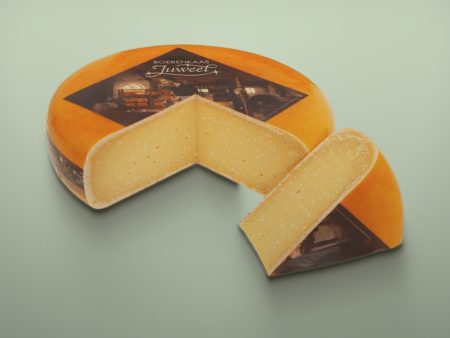
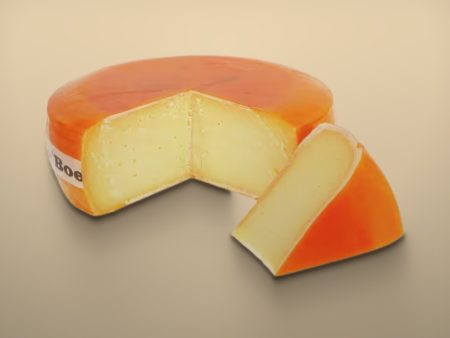
Dutch farmhouse cheese is almost always raw-milk. In fact, the protected designation “boerenkaas” may only appear on the label if the cheese is made from raw milk sourced from the farm’s own herd. A factory-made cheese that looks exactly the same cannot call itself farmhouse cheese if the milk has been pasteurized.
Why does raw-milk cheese taste different?
The flavor of cheese develops during aging. Bacteria, yeasts and molds break down proteins and fats into a cocktail of flavor compounds: nutty, sweet, fruity, umami. In pasteurized milk most of those microorganisms are gone, so the cheesemaker adds fixed starter cultures. The result is predictable and consistent, but also uniform.
Raw milk brings its own wild flora with it. That flora varies by farm, by season, by grass type. Pasture grazing in May produces a different cheese than barn feed in January. That explains why an aged farmhouse cheese from one farmer gives you hazelnuts and caramel, while the one from his neighbor leans more toward broth and butterscotch.
The typical flavor characteristics
Connoisseurs often describe raw-milk cheese as:
- More complex, with multiple flavor layers that reveal themselves in succession
- A longer finish, with the flavor continuing to develop in the mouth
- More variation between batches, even within the same brand
- More pronounced aromas: hay, flowers, walnuts, earth
Pasteurized cheese can be excellent and very well made, but it usually lacks that final layer of unpredictability.
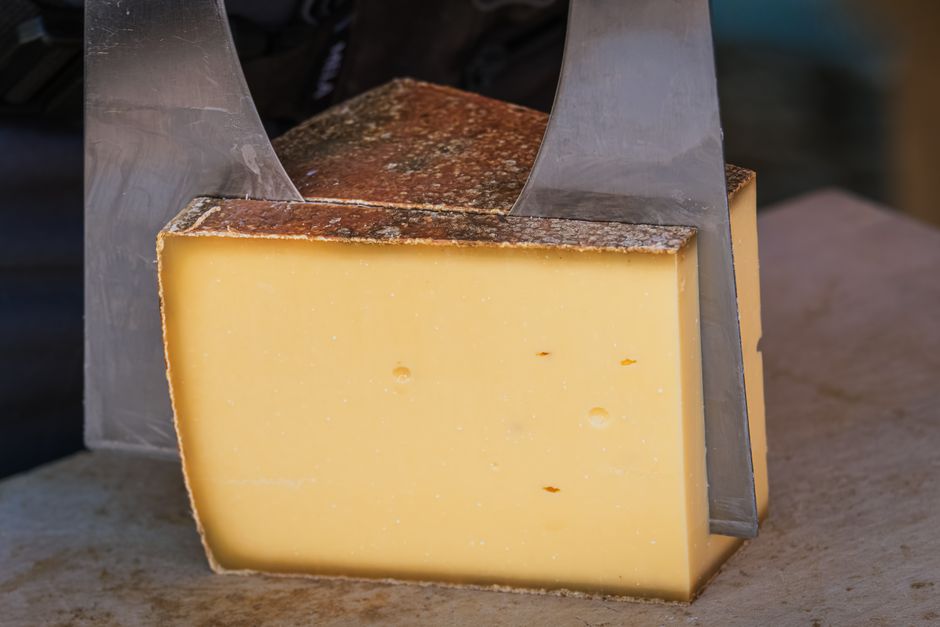
Classics from raw-milk traditions
Raw-milk cheese is not a Dutch specialty alone. Travel the world and you’ll find it everywhere in artisanal traditions.
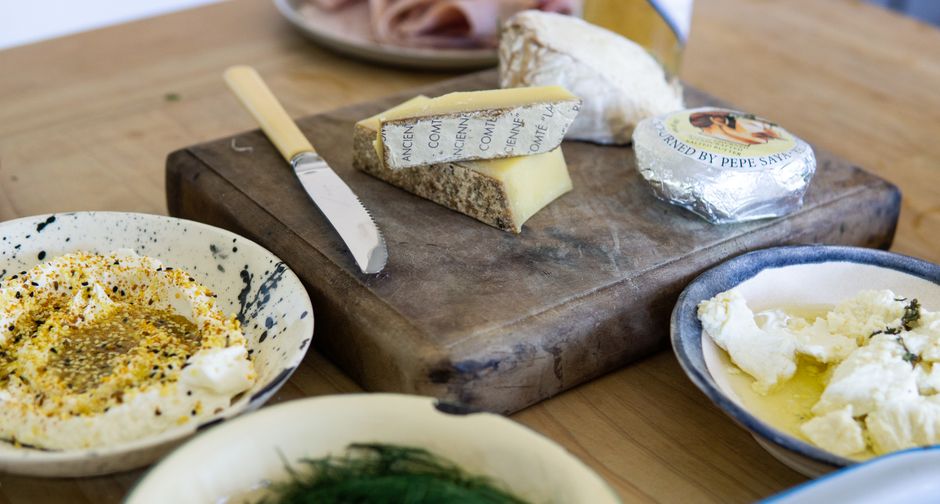
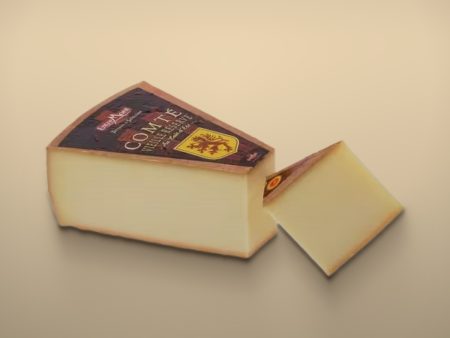
- Comté Reservé from the Jura in eastern France: aged a minimum of 12 months, nutty and sweet.
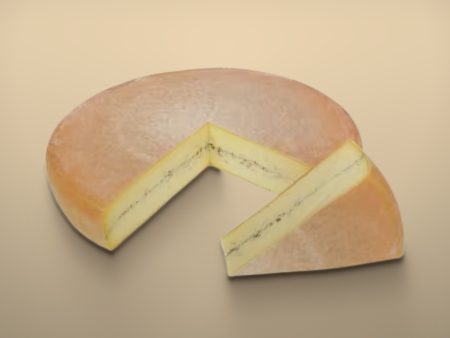
- Morbier from the same region, with its distinctive line of ash through the middle.
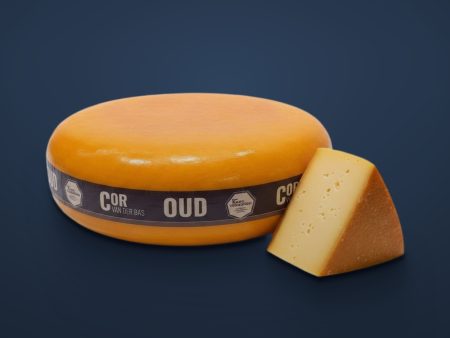
- Stolwijker aged farmhouse cheese: Dutch raw-milk farmhouse cheese from the Green Heart region, aged for years.
- Boerenkaas 20+: low-fat raw-milk, surprisingly sharp and without an excess of fat.
The broader raw-milk tradition beautifully illustrates how diverse the range is, from French mountain slopes to the Dutch polders.
Raw-milk cheese in the Netherlands: strict regulations
In the Netherlands, raw-milk cheese may be sold freely, provided it has been aged according to the rules. Hard cheeses must be aged for a minimum of 60 days. During that time, the moisture content and pH level drop to a point where pathogens can no longer survive. Farms that produce raw-milk cheese are inspected by the NVWA for milk quality and hygiene.
Pregnant women are often advised to be careful with raw-milk soft cheeses. With hard, aged raw-milk cheese the risk is negligible, but if in doubt it is always wise to consult a doctor.
Farmhouse cheese as a starting point
Want to experience for yourself what raw milk does to flavor? Start with a classic Dutch farmhouse cheese. Compare young with mature with aged: the difference in complexity is the best proof that aging works differently in raw-milk cheese. For a broader picture, try placing our Noord-Hollands cheese with PDO status alongside it: high-quality factory-made cheese, usually pasteurized, and ideal as a point of contrast.
Want to taste for yourself?
At Cheese In A Box we carry these raw-milk cheeses, freshly cut to order:
Or let us surprise you with our cheese subscription: four special cheeses delivered to your door every month, with raw-milk selections added on a regular basis. Prefer to browse the full range first? You can easily order cheese from our complete assortment on our site.