


When you’re pregnant, you get a whole list of things you’re no longer supposed to eat. Cheese is unfortunately on that list, at least in part. But the good news: you can still enjoy the vast majority of cheeses without any worries. It’s all about knowing which ones are safe and why.

Why some cheeses are best avoided
It comes down to listeria, a bacterium that in rare cases can be found in certain foods. For most people, listeria is harmless, but during pregnancy it can pose risks to your baby. The bacterium thrives in moist, soft environments and is killed by heat.
That’s why the rule of thumb is: pasteurized and hard means safe. This is also the guideline of the Dutch Voedingscentrum (Netherlands Nutrition Centre): even hard cheese made from raw milk is safe, because listeria cannot grow to high numbers in it.
Cheeses that are safe to eat
Good news for every cheese lover: most cheeses are perfectly fine.

- Hard cheeses: Gouda, Edam, Parmesan, Cheddar, Gruyère. Their low moisture content prevents listeria from growing to high numbers, even if the cheese is made from raw milk.
- Semi-hard cheeses: semi-mature, mature, cumin cheese. All safe.
- Spreadable and cream cheeses: fine as long as they’re pasteurized, which is almost always the case with commercially produced varieties.
- Heated cheese: cheese that has been heated thoroughly until piping hot is safe to eat. So in a toasted sandwich, oven dish or fondue, the cheese must be hot all the way through, not just melted.
Cheeses to avoid
A limited number of cheese types are best avoided:
- Soft mold-ripened cheeses made from raw milk: brie, camembert and similar cheeses with a white rind, when the label says ‘au lait cru’. The moist, soft interior can be a potential breeding ground for listeria. If the milk is pasteurized or thermized, you can eat them.
- Blue cheeses made from raw milk, such as Roquefort: same reason as soft mold-ripened cheeses. If the milk is pasteurized or thermized, you can eat blue cheese.
- Raw-milk soft cheeses: soft cheeses made from unpasteurized milk combine two risk factors.
Exception: if you heat these cheeses thoroughly until they’re piping hot, you can eat them safely. A camembert from the oven only counts if it’s hot all the way through, including the center.

Order pregnancy-safe cheese
At Cheese In A Box we carry more than 80 products that are safe during pregnancy. We’ve tagged them specially so you can filter easily. Browse all of them on our pregnancy-safe page.
Think Noord-Hollands cheeses (young through aged), Dutch boerenkaas (a hard, Gouda-type farmhouse cheese), Parmesan, and plenty of herb cheeses. You really don’t have to go without cheese.
Tips for pregnant cheese lovers
- Always keep cheese well refrigerated and eat it before the use-by date
- Cut off the rind on any cheese you’re unsure about
- Not sure? Heat the cheese thoroughly until it’s piping hot.
- Pre-sliced cheese is safer than cheese cut with a shared knife at the deli counter (cross-contamination)
Want to try some?
At Cheese In A Box we carry these cheeses freshly cut in our range:
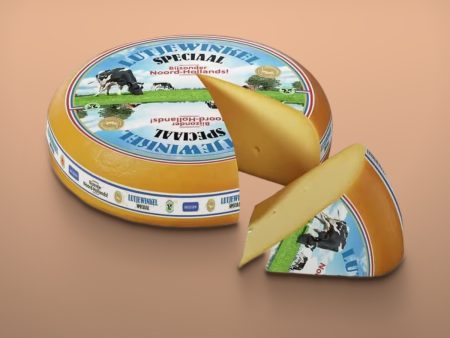
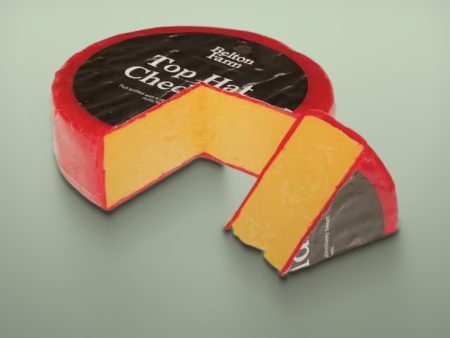
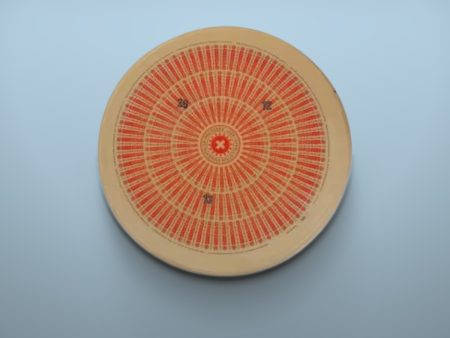
Or let us surprise you with our cheese subscription: 4 special cheeses delivered to your door every month.
Browse our full selection and filter by pregnancy-safe for a worry-free cheese moment.
Looking for safe cheese options during pregnancy? Order fresh cheese from Cheese In A Box and we’ll be happy to help.
More about individual cheeses
We have separate guides per cheese with more on flavour, production and pregnancy advice:
- What is brie: check whether it is pasteurized or thermized
- What is camembert: check whether it is pasteurized or thermized
- What is roquefort: made from raw milk, only when heated thoroughly until piping hot
- What is gorgonzola: check whether it is pasteurized or thermized
- What is mozzarella — check pasteurisation
- What is burrata — check pasteurisation
- What is feta — check pasteurisation
- What is Manchego — depends on ageing
- What is Parmesan cheese — safe (long-aged)
- What is goat cheese — depends on type


