

Crystals in cheese are those small, white specks that crunch when you bite into a piece of aged cheese. Many people assume at first bite that they’re grains of salt, but that’s not the case. They’re natural crystals that form during aging, and they’re actually a sign of quality. The longer a good cheese ages, the more likely you are to find them. You’ll notice that signature crunch especially in an aged farmhouse cheese, a sharp Noord-Hollands or a well-aged Parmigiano. In this article, we explain exactly what’s going on and why cheese lovers seek them out.
What are crystals in cheese, exactly?
Crystals in cheese are small, hard structures that form when certain compounds cluster together during aging. The two most common types are tyrosine crystals and calcium lactate crystals. Both are harmless, flavorful and tell you something about how the cheese was aged. Tyrosine is an amino acid released when proteins in the cheese are slowly broken down by enzymes. Calcium lactate forms when lactic acid and calcium come together inside the cheese. In both cases, time is the key ingredient: you’ll rarely find them in a cheese aged under six months, but after a year they’re much more common.
Tyrosine or calcium lactate: two types of crystals
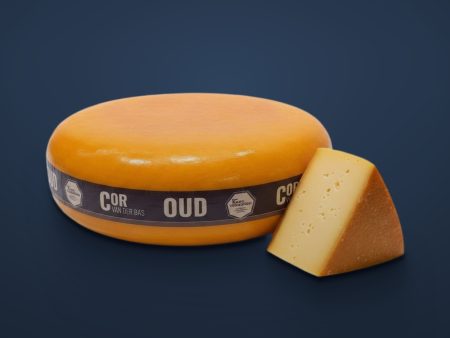
Tyrosine crystals are usually found on the inside of the cheese and tend to be larger, round and glistening. You’ll find them in cheeses with a high protein content and a long aging period. Think Parmigiano Reggiano, aged Comté, long-aged farmhouse cheese or aged Rotterdamsche Oude. The crunch is firm, almost brittle, and the flavor right at the crystal is intensely umami.
Calcium lactate crystals are smaller, whiter and often appear on the outside or on cut surfaces. They feel fine-grained, more like grains of sugar. You’ll find them frequently in cheddar and in some Dutch mature to aged cheeses. They’re not always visible; sometimes they only show up after a piece of cheese has been sitting in the fridge for a few days and a whitish layer develops. That’s not mold, just cheese calcium settling on the surface.

Which cheeses have those signature crystals?
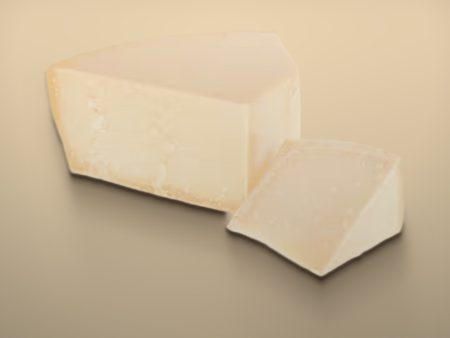
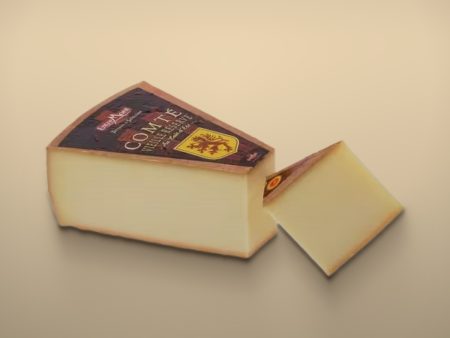
Broadly speaking, there are three categories of cheese where you’re almost guaranteed to find them. The first is aged Dutch cheese, from farmhouse Goudse to sharp Noord-Hollands. Our aged farmhouse cheese and the Rotterdamsche Oude are full of that satisfying crunch. The second category is Italian hard cheese. Parmigiano Reggiano aged 24 months or longer is famous for it; those glistening specks aren’t added, they grow naturally. The third category is French mountain hard cheese such as Comté Réservé, in which tyrosine becomes clearly visible after a year or more.
In lighter cheeses such as a 20+ cheese, you’ll find them much less often, even if the cheese is aged. The reason is simple: less fat and sometimes different protein ratios slow the process down. In our spicy 20+ farmhouse cheese you might still feel the occasional small crystal after a year of aging, but it’s less pronounced than in a full-fat variety.
Are crystals a sign of quality?
Yes, in most cases they are. Crystals form through time, craftsmanship and the right conditions. A factory cheese aged for four weeks will never develop them, no matter how much salt you sprinkle on top. For a cheesemaker, they’re a sign that the cheese has aged well. That said, a cheese without crystals isn’t necessarily inferior; a young or mature cheese can be excellent without them. What you do know when you feel that crunch is that you’re eating something made with patience.
A small aside: raw-milk cheeses tend to develop crystals faster and more intensely than pasteurized varieties. This comes down to the broader enzyme activity in raw milk. If you’d like to know more about that difference, read our explanation of raw-milk versus pasteurized cheese.

Storing and serving crystals
If you have an aged cheese with crystals at home, always let it come to room temperature before serving. Cold cheese tastes flatter and the crunch is less noticeable. Half an hour on the counter makes a real difference. Don’t slice too thin: with a piece of aged Parmigiano or Comté, breaking it into irregular chunks works better than slicing, because you get more crystal in every bite. Pair it with a fruity red wine, port or an aged jenever, or place it alongside nuts and dried figs on the cheese board you can order online.
Want to taste for yourself?
At Cheese In A Box, we carry these crunchy cheeses freshly cut and ready to order:
Or let us surprise you with our cheese subscription: four special cheeses delivered to your door every month, regularly including a long-aged classic with that signature crunch.