

20+ cheese is a lighter cheese variety with a fat content of around twenty percent in the dry matter. On paper that sounds lean, but in practice a well-aged 20+ cheese delivers a surprising amount of character. With farmhouse cheese that has been aged at 20+, you get a spicy, crumbly bite with small salt crystals that you sometimes miss in a fuller cheese. In this article you’ll learn exactly what 20+ cheese is, how it tastes, and when it’s a better choice than a classic 48+.
What is 20+ cheese?
The number on a cheese refers to the fat content in the dry matter, meaning what remains once you remove all the moisture. For a 48+ cheese that’s nearly half; for a 20+ it’s about one-fifth. The rest of the dry matter consists mainly of protein, calcium and salt. Because there is less fat, the protein structure has more room to develop, and you can taste the difference: 20+ cheese is firmer, slightly drier and has a longer finish. It falls in the same category as low-fat or reduced-fat cheese at the supermarket, but made the artisanal way and aged longer, which gives it a deep, spicy flavor instead of a bland one.
How does 20+ cheese taste?
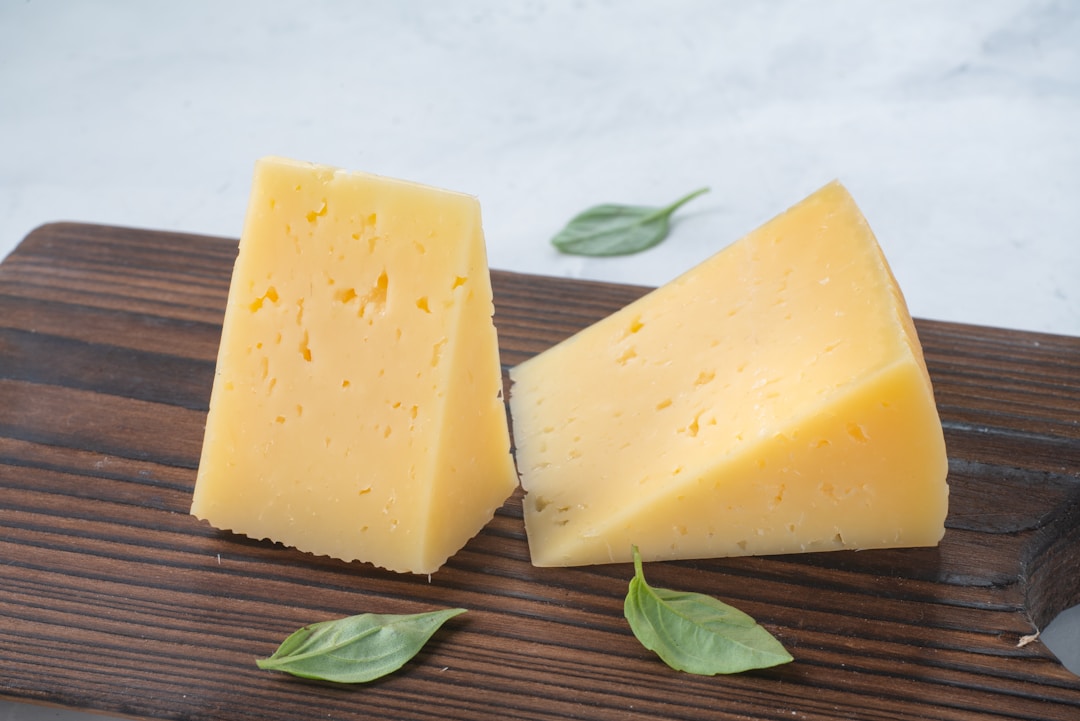
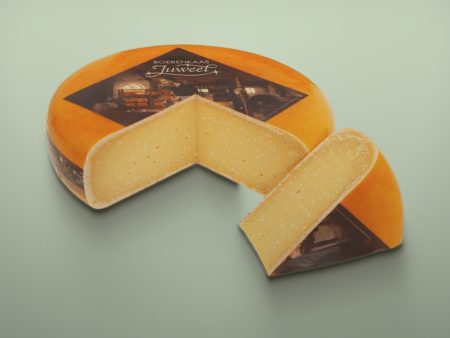
Don’t expect the creamy, buttery bite you get from a full-fat Goudse. A good 20+ tastes sharp, lightly briny and salty, with notes of dried fruit and toasted nuts when properly aged. The texture is granular and crumbly, so pieces naturally break apart the moment you press a knife into it. Our Boerenkaas 20+ Pittig is a great example: made from raw milk, aged for months on wooden boards, with those characteristic little crystals that pop on your tongue. If you love bold, spicy flavor but want to keep the fat in check, you might just find your new favorite here.
20+ versus 48+: which should you choose?
The choice between 20+ and 48+ isn’t just about calories. Full-fat cheese like Boerenkaas Oud or Stolwijker spicy farmhouse cheese has a creamy, unctuous mouthfeel you’ll never get from a 20+. On the other hand, 20+ delivers a purer, sharper flavor, because the fat isn’t muting the taste compounds. For people watching their saturated fat intake, 20+ is a satisfying middle ground: still a real cheese with plenty of character, but considerably less rich than a 48+. For more background on how aging and fat content work together, check out our article on what aged cheese actually is.
Nutritional profile at a glance
- Fat content: around 20 percent in the dry matter, roughly 10 to 12 grams per 100 grams of cheese.
- Protein: around 30 to 35 grams per 100 grams, higher than a full-fat Goudse.
- Salt: slightly brinier than a 48+, due to longer aging and a denser protein structure.
- Calcium and phosphorus: relatively high per calorie, which makes 20+ interesting for athletes and older consumers.
When should you choose 20+ cheese?
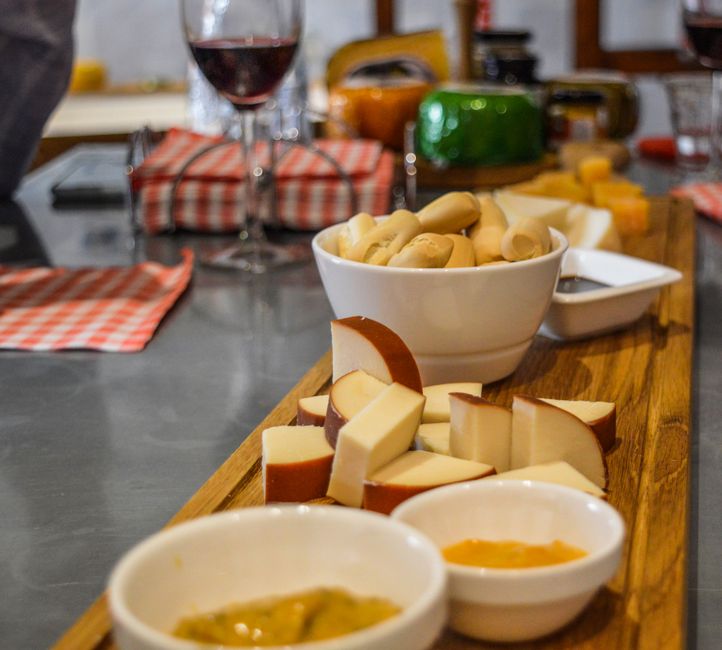
20+ cheese really shines in moments when you want bold flavor without heaviness. Think of a sandwich after a workout, a charcuterie and cheese board alongside lighter bites, or grated over a salad instead of feta. On a classic cheese board next to a Roombrie and a Blu 61, a good 20+ provides exactly the contrast that makes the whole spread exciting. It also works surprisingly well in a toasted sandwich: it doesn’t melt as fluidly, but it delivers a spicy punch. If you want to pair a 20+ with wine, reach for a crisp white with firm acidity or a not-too-heavy red like a pinot noir.
Storing 20+ cheese
Because 20+ cheese is drier than full-fat cheese, it keeps longer. Store the piece in cheese paper or baking paper in the vegetable drawer of your fridge, at around four to six degrees Celsius. Avoid sealing it completely in plastic: that makes the rind clammy and speeds up mold growth. Take the cheese out of the fridge thirty minutes before serving so the flavors can open up again. As we note in our article on ordering farmhouse cheese online: the longer the aging, the longer the shelf life, as long as you let it breathe.
Want to taste for yourself?
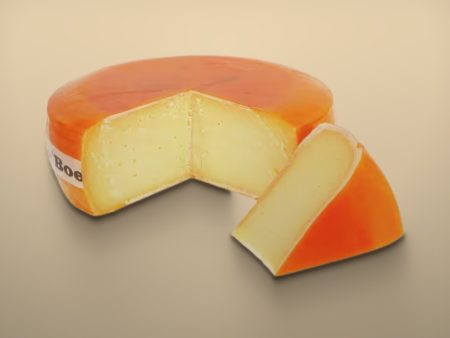
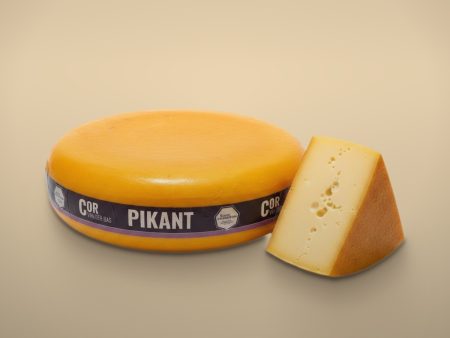
At Cheese In A Box we cut our 20+ and full-fat farmhouse cheeses to order, so the flavor stays at its best. These three are a great starting point for tasting the difference:
Want to try several aging levels and fat contents side by side without having to pick yourself? Our cheese subscription sends you a hand-picked selection every month. Or just start by ordering cheese per piece to discover which style suits you best.