

Aged cheese is a Dutch classic that has ripened on the shelf for at least ten months. During that time, the cheese loses moisture, the texture becomes crumbly, and a rich, spicy flavor develops along with crunchy crystals. From spicy farmhouse cheese to Rotterdamsche Oude, there’s a wide spectrum of aged cheeses, each with its own character. In this article, you’ll learn exactly what aged cheese needs to meet, how to recognize differences in flavor, and what pairs best with it.
When is a cheese considered ‘aged’?
The Dutch ripening classification clearly indicates when a Gouda or similar cheese can be called aged. From ten months of ripening we speak of aged cheese, from twelve months extra aged, and beyond eighteen months the cheese earns the term extra-aged. Think of it as a scale that starts with young Gouda at four weeks and ends with the dark, almost black-looking Oud Zwart. The longer the ripening, the drier, harder and more intense the cheese becomes.
During ripening, water evaporates from the cheese and the salt concentration rises. Enzymes in the cheese break down proteins into small, flavorful particles. On the cut surface you’ll eventually see white specks appear: tyrosine crystals. They crunch pleasantly between your teeth and are a hallmark of a good aged cheese.
Flavor and texture
A well-ripened aged cheese has a full, spicy flavor. Think notes of broth, caramel, walnut and a light umami. The texture is firm, breaks easily and melts on your tongue. Young Gouda tastes sweet and creamy, mature cheese is mildly spicy, and aged cheese pushes further toward bold and slightly sharp. Move toward extra-aged, and the flavor becomes almost dry and peppery.
The type of milk matters too. Aged farmhouse cheese made from raw milk has more depth of flavor than a factory version, and Rotterdamsche Oude is known for its distinctive spiciness. The Noord-Hollands variety is often somewhat softer and creamier in character, thanks to the clay pastureland.
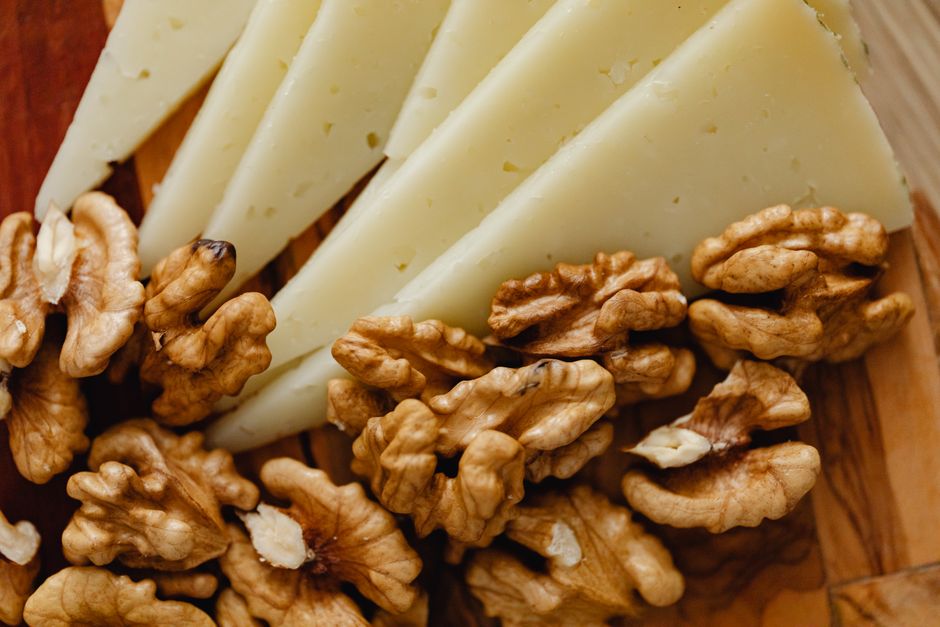
Differences within the category
Within the family of aged cheeses there’s more variation than you might think at first glance. A few examples:
- Extra-aged Gouda: ripened for at least eighteen months, dry and bold, with plenty of crystals.
- Aged farmhouse cheese: made from raw milk, more complex in flavor and often a little richer.
- Noord-Hollands aged: slightly softer and creamier than a South Holland variety.
- Rotterdamsche Oude: known for its spiciness and full finish.
- Aged goat cheese: finer grain and typical goaty notes, less salty.
Serving tips for aged cheese
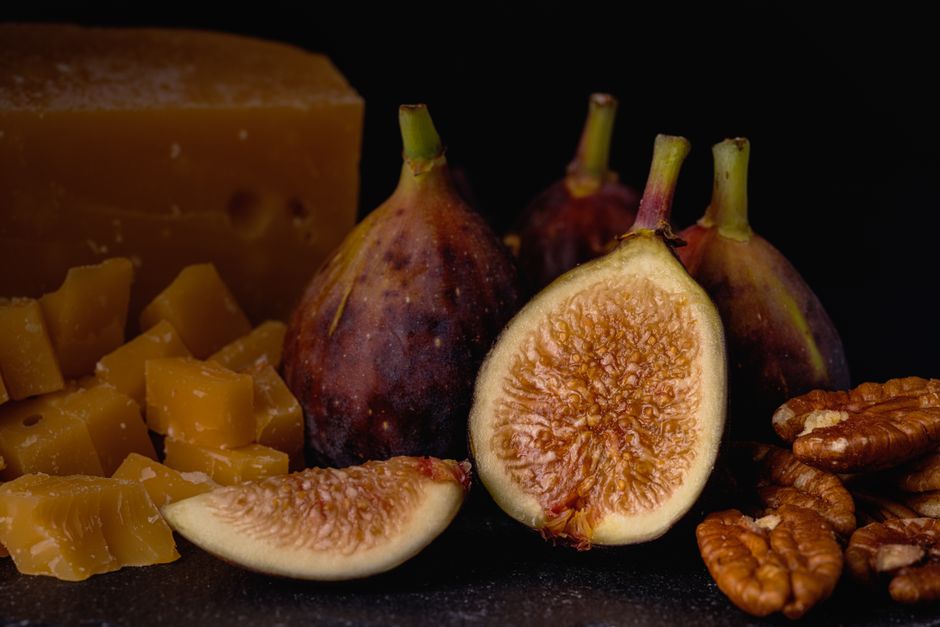
Aged cheese is best enjoyed in thin slices or cubes. Take it out of the fridge at least half an hour before serving so the flavor can fully open up. On a charcuterie and cheese board alongside mature cheese, you can show how ripening transforms flavor. Bold flavor combinations work best:
- A glass of full-bodied red wine (Rioja, Amarone) or a dark brown ale.
- Fig bread, walnuts or dark rye bread.
- Mustard, apple syrup or a spicy chutney.
- Grated over pasta, risotto or gratin for extra umami.
Storage and cutting
Store aged cheese in its original packaging or in cheese paper in the vegetable drawer of your fridge, between 4 and 7 degrees Celsius. Don’t wrap it tightly in plastic film: the cheese needs to breathe. If a light film appears on the rind, just cut it off and the rest is perfectly fine. For cutting, use a sturdy cheese knife or a cheese slicer for thin slices.
Want to taste for yourself?
Curious to discover how ripening transforms flavor? At Cheese In A Box we carry a wide range of aged Dutch cheeses, freshly cut for you. You can also order cheese directly through our webshop.
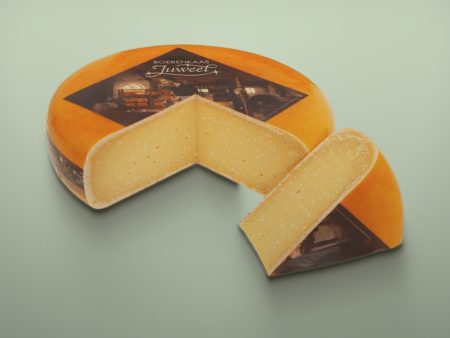

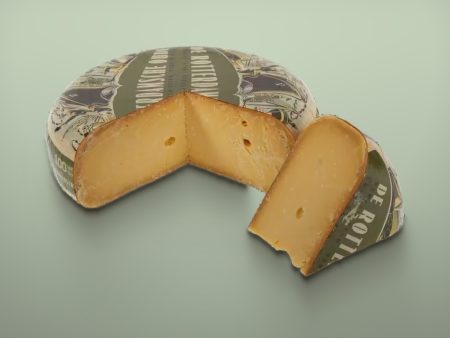

Want to be surprised with special cheeses every month? With our cheese subscription you’ll receive four carefully selected cheeses in your letterbox every month. It’s the perfect way to taste the difference between young, mature and aged for yourself.