

Noord-Hollands cheese is one of the few Dutch cheeses with an official European protected designation of origin. Since 1996, the name has been on the PDO list (Protected Designation of Origin), which means every wheel of Noord-Hollands cheese can only be made with milk from cows grazing in the Noord-Holland pasture region. That sounds bureaucratic, but you can taste the difference. In this article you’ll learn exactly what Noord-Hollands cheese is, why it tastes different from regular Gouda, and which aging style suits which occasion.
What exactly is Noord-Hollands cheese?
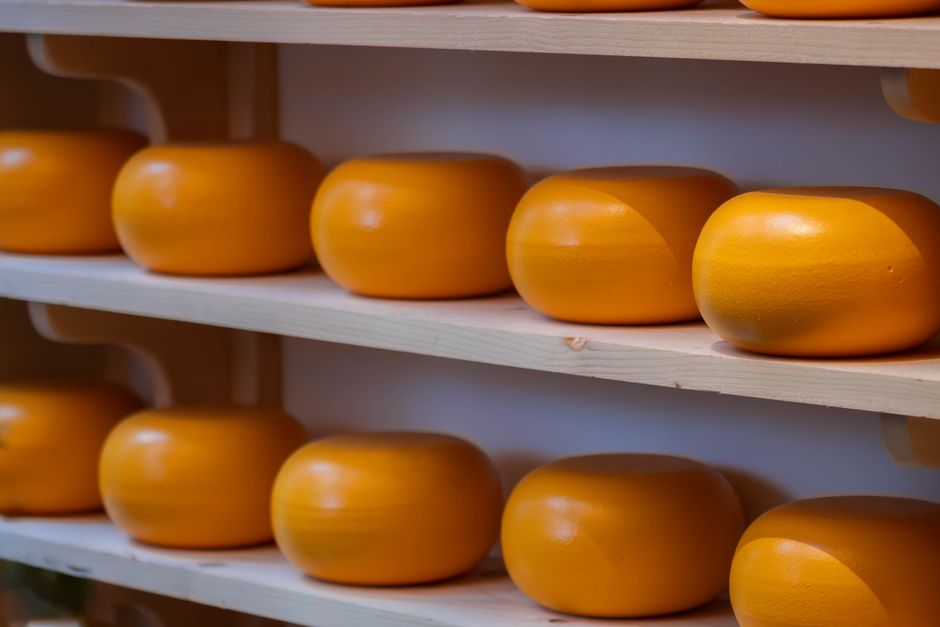
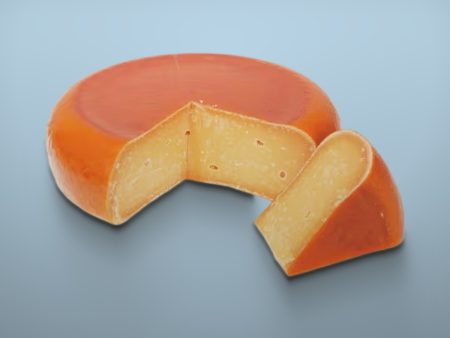
At its core, Noord-Hollands cheese is a Gouda-style cheese, made using the classic recipe with a washable rind and a round wheel shape. The difference lies in the origin. The milk must come from cows that graze in the area north of the Noordzeekanaal, and the cheese must also be produced and aged there. That geographic boundary is laid down in European law, just like it is for Parmigiano Reggiano or Roquefort. All Noord-Hollands cheese is Gouda, but not all Gouda can call itself Noord-Hollands.
The fat content is typically 48 percent in dry matter, sold in stores as 35+. There are also 30+ and full-fat varieties, but the classic 35+ is by far the most common.
Why does Noord-Hollands cheese taste different?
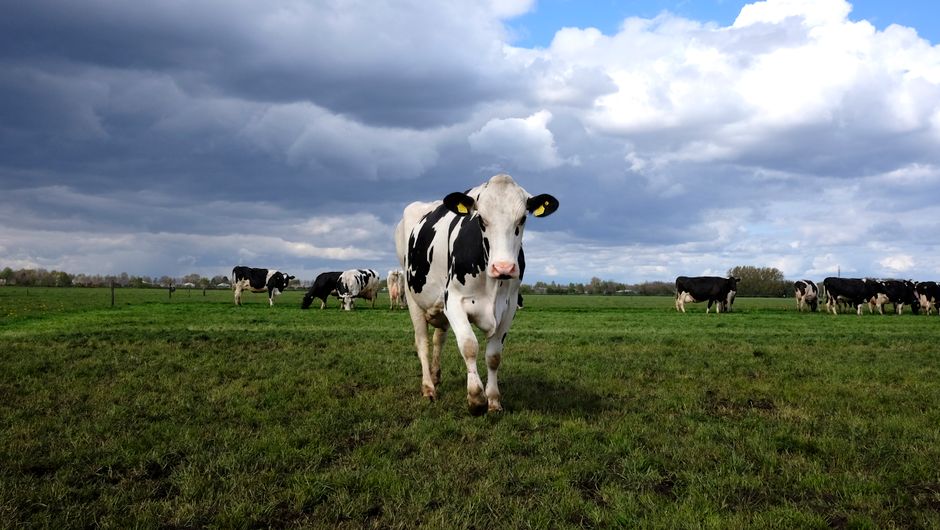
Three factors make the flavor of Noord-Hollands cheese instantly recognizable: the soil, the climate, and the grass. The pasture land sits on marine clay and peat, with a significant salty influence from the North Sea. That combination gives the grass a different mineral profile than, say, the peat meadows of Utrecht or the sandy soils of Brabant. The cows eat that grass, and those flavors carry through into the milk. Cheesemakers call this terroir, just as winemakers do.
In practice, you taste it as a creamier body, a slightly saltier finish, and more depth with longer aging. This is especially noticeable in the mature and aged styles. In an aged Noord-Hollands 35+ you’ll recognize the characteristic salt crystals that crunch on your tongue, combined with an umami base you simply don’t find as strongly in a standard Gouda.
The aging stages at a glance
Noord-Hollands cheese comes in four standard aging stages, plus a classic cumin variety.
- Mild (4 to 8 weeks): soft and lightly sweet, great on bread and perfect for kids.
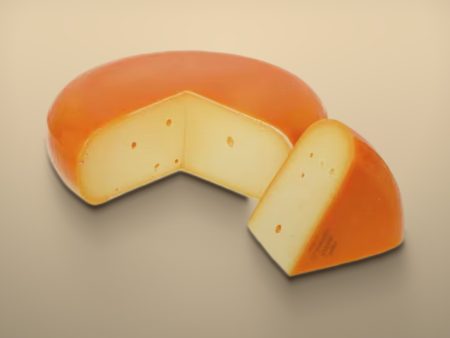
- Mature (16 to 20 weeks): the all-rounder, full of flavor with the first small salt crystals appearing. Works on the cheese board and in the kitchen.
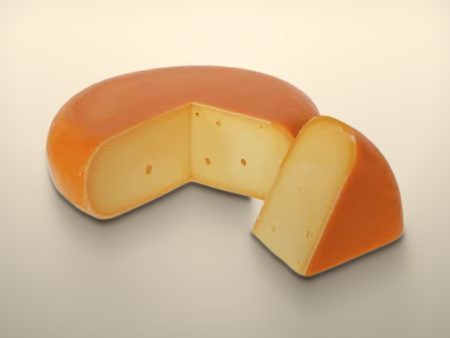
- Aged (32 to 40 weeks): crumbly, with pronounced crystals and plenty of umami. Lovely with port or aged jenever.
- Spicy (over a year old): sharp, dry and intense. For the cheese lover who wants real bite.
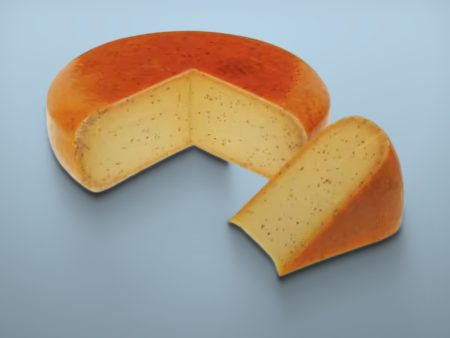
- Cumin: a warm, aromatic note layered over a 48+ aged base. Classic Dutch.
Noord-Hollands cheese vs. regular Gouda
The question is fair: can you really taste the difference compared to a supermarket Gouda? Yes, as long as you try them side by side. With mild, the difference is subtle, because the aging period is too short for the terroir to fully express itself. From mature onward, it becomes clear. The Noord-Hollands has more body, stays creamier despite its dry matter content, and has that slightly salty finish you simply won’t find in a generic Gouda. To make sure you’re buying the real thing, look for the PDO logo on the packaging and a mention of the production region. You can read more about the system behind it in our article what is Goudse cheese.
How to store and serve it
Store Noord-Hollands cheese in the vegetable drawer of your fridge at between 4 and 8 degrees Celsius, wrapped in cheese paper or greaseproof paper and then placed in an airtight container. This lets the cheese breathe without drying out. Take it out 30 minutes before serving to let it come to room temperature: that’s when the creaminess really comes alive. Mature and aged varieties keep for weeks, but mild is best eaten within ten days. For more storage tips, check out our article on storing cheese.
Serving is simple: thick slices on fresh sourdough, or cubes on the charcuterie and cheese board with nuts and a drizzle of flower honey. With aged, a small glass of port or a robust brown Trappist ale works beautifully.
Want to taste it for yourself?
At Cheese In A Box we carry all aging stages of Noord-Hollands cheese, freshly cut and ready to order. Everything is cut to order and vacuum-sealed.
Prefer a fresh selection every month? Go for our cheese subscription: four special cheeses delivered through your letterbox, with a Noord-Hollands regularly included in the mix.