

What exactly is cheddar? Cheddar is a British hard cow’s milk cheese that takes its name from the village of Cheddar in the English county of Somerset. It’s imitated all over the world, from factories in Wisconsin to small farms in Australia, but real cheddar comes from the southwest of England and has a flavor that can’t be mistaken for any other cheese.
In this article, you’ll learn where cheddar comes from, what makes it special, how young and aged varieties differ, and how to serve it at its best.
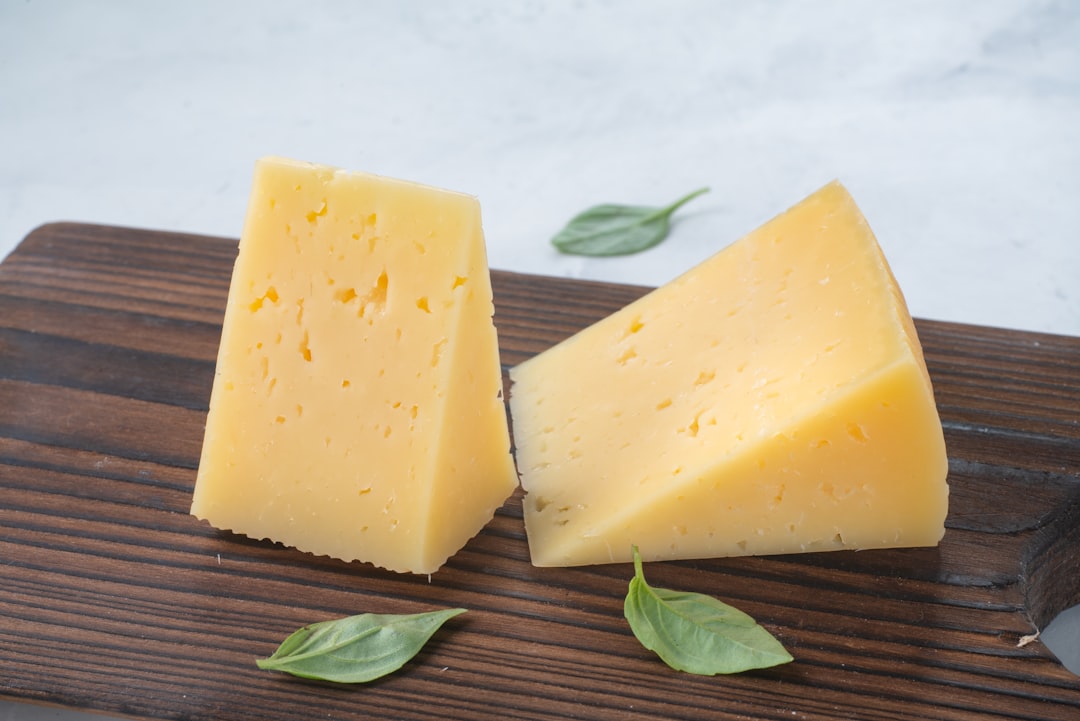
Origin: a village in Somerset
The history of cheddar goes back to the twelfth century. In the caves of Cheddar Gorge, in the English county of Somerset, local farmers aged their cheese at a constant temperature. The limestone walls kept humidity stable, perfect for a long aging process. When Queen Elizabeth I ordered cheddar for the royal court in the sixteenth century, its reputation was firmly established.
Unlike Gouda, the name cheddar has never been protected. Around the world, anyone can call their yellow hard cheese cheddar, regardless of origin or method. Looking for an authentic version? Keep an eye out for the designation West Country Farmhouse Cheddar, which is recognized by the EU as a protected designation of origin and may only be produced in four counties in the southwest of England.
How cheddar is made
Production involves one unique step you won’t find anywhere else: cheddaring. After the curds are cut and the whey is drained, the curd blocks are stacked on top of each other and turned regularly. This process drives out extra moisture and develops a fibrous, stringy structure. The curds are then milled, salted and pressed into molds.
When it comes to aging, there are two schools of thought. Industrial cheddar ages in vacuum plastic, which keeps it supple and young. A traditional clothbound cheddar is wrapped in linen cloth rubbed with lard or butter. This allows the rind to breathe, encourages natural mold growth on the outside, and results in a far more complex flavor. Expect ten to twenty-four months of aging for the finest examples.
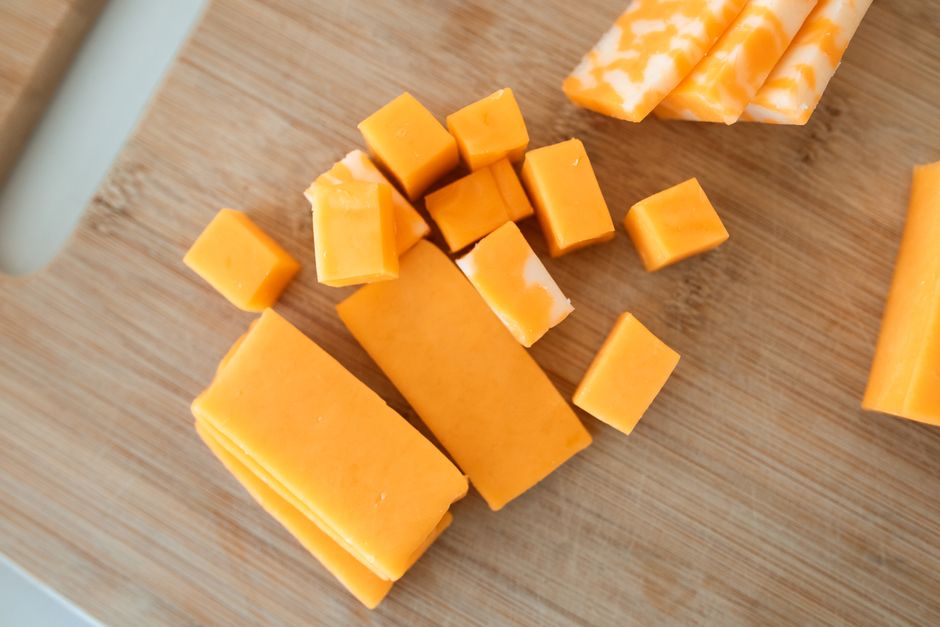
Flavor: from mild and buttery to crystal-crunchy
Young cheddar aged three to six months is mild, creamy and slightly sweet, with a supple texture that melts well. As aging progresses, moisture evaporates and the flavor concentrates. A mature cheddar of around one year is firmer, nutty and hay-like, with a subtle salty edge.
With Cheddar Vintage, aged eighteen to twenty-four months, you get the full experience: crumbly, intense, with tiny salt crystals that snap on your tongue. Those are tyrosine crystals, not added salt, and they’re proof that the proteins have had plenty of time to break down. Prefer something smooth and classic? Cheddar Farmhouse is the well-balanced middle ground.
Why is cheddar orange?
A question that comes up often with cheddar: where does that bright orange color come from? Not from the milk itself. In summer, when cows eat fresh grass, the milk contains more beta-carotene and the cheese naturally turns a light yellow. A bright orange cheddar gets its color from annatto, a natural plant extract from the seeds of the Bixa orellana. British farmers once used it to ensure a consistent color even in winter. Authentic West Country cheddars, on the other hand, are typically light yellow to ivory, with no added coloring.
Cheddar in the kitchen
Cheddar is versatile and works beautifully both warm and cold. A few suggestions:
- On a charcuterie and cheese board: serve a chunk of vintage cheddar with chutney, apple and walnuts. Round out your cheese board with a blue cheese like Stilton for contrast.
- On a sandwich: a thin slice on toasted brown bread with a layer of spicy mustard.
- Cooked: cheddar melts beautifully in toasties, mac and cheese and gratinated vegetables. In summer, lay a slice on a burger on the BBQ.
- Drink pairing: a full-bodied red wine like Cabernet Sauvignon, or an English ale. Find more ideas in our guide to cheese and wine pairings.
Want to taste for yourself?
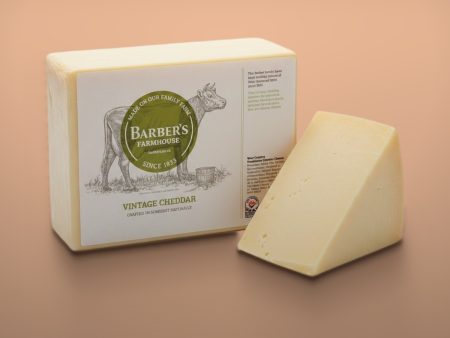
At Cheese In A Box, our British cheddars are freshly cut and chilled, ready to go. You can order them online individually or combine them with other international cheeses for a complete tasting set.
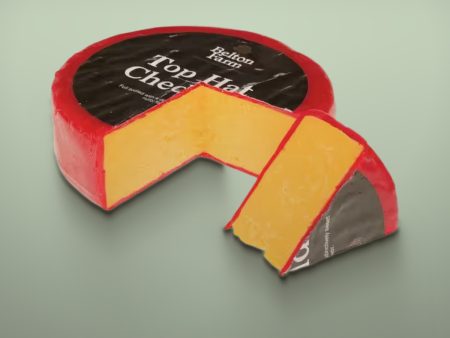
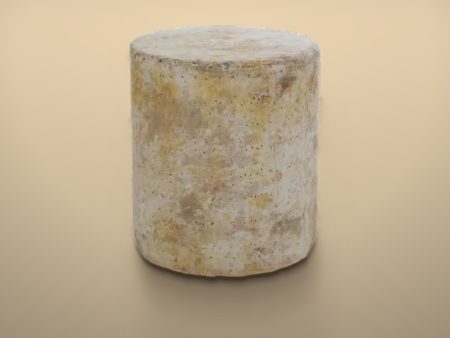
Prefer a monthly surprise? With our cheese subscription, four carefully selected cheeses land in your mailbox each month, complete with tasting notes and serving tips.