

You see it on almost every cheese in the shop: a number followed by a plus sign. 20+, 30+, 48+. But what does it actually mean? And is 20+ cheese really “light”? The answer is more nuanced than you might think.
What does the plus sign mean?
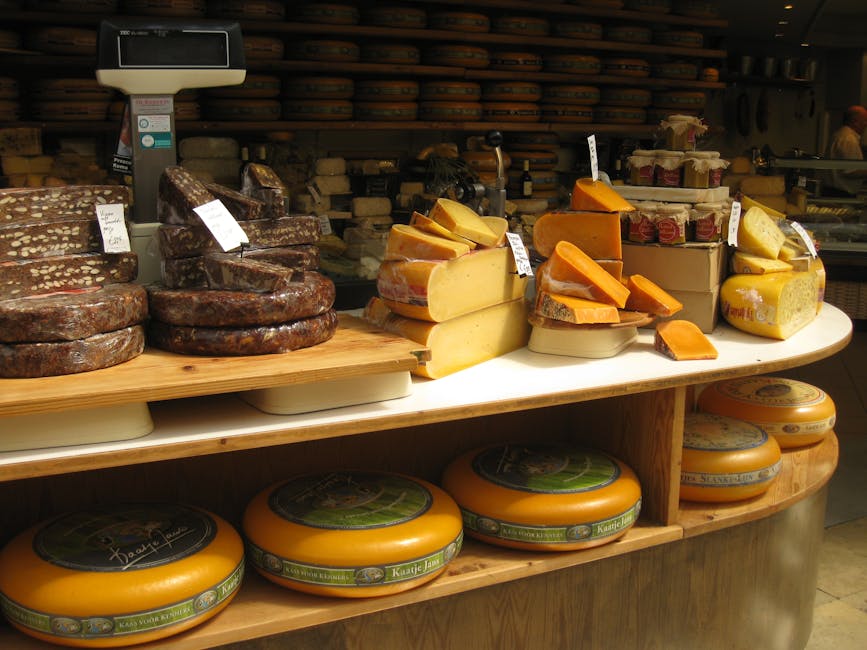
The number on cheese indicates the fat content in the dry matter. That’s not the same as the total fat percentage. Cheese contains a lot of moisture, and during aging some of it evaporates. The fat stays, but the dry matter becomes relatively heavier.
A 48+ cheese therefore contains 48% fat in the dry matter. In practice, that works out to roughly 25–30% fat of the total weight, which is considerably less than the 48 might suggest.
How fat content affects flavor
Fat content has a direct impact on how a cheese tastes and feels in your mouth:
- 20+ cheese: firm and dry, with a pronounced flavor. Because there’s less fat, you taste the cheese itself more intensely. Our Farmhouse Cheese 20+ Sharp is a great example: full of flavor, but lighter.
- 30+ cheese: the happy middle ground. Creamier than 20+ but still more flavorful than full-fat cheese. The Goudse Mature 30+ and Goat Cheese 30+ fall into this category.
- 35+ cheese: lightly creamy with great flavor. Our Noord-Hollands 35+ range is popular here, from mild to aged.
- 48+ cheese: the Dutch standard. Most Goudse and Noord-Hollands cheeses you find in the supermarket are 48+. Rich and creamy.
- 60+ cheese: extra creamy and buttery. Think cream cheeses and certain foreign specialties.
Is 20+ cheese healthier?
Less fat means fewer calories, that’s true. But the differences are smaller than you’d expect. A slice of 20+ cheese (20 grams) contains around 50 calories, while the same slice of 48+ cheese comes in at about 75 calories. That difference of 25 calories is roughly the equivalent of half an apple.
One thing worth noting: 20+ cheese contains relatively more protein per gram. For athletes or anyone keeping an eye on their protein intake, that can be interesting. And of course, all cheese contains calcium, regardless of fat content.
Which 20+ cheese should you try?
A lot of people assume that lighter cheese is bland. That’s a misconception. Precisely because the fat is less dominant, other flavors come through more clearly. A well-aged 20+ farmhouse cheese has an intense, complex flavor that beats many a 48+ variety.
Did you know that farmhouse cheese naturally contains less fat than factory-made cheese? The raw milk and artisanal process result in a different fat profile. Read more about the difference in our article on what makes farmhouse cheese special.
Tips for choosing the right cheese
- On bread: 30+ or 35+ is ideal. Plenty of flavor without feeling too heavy at breakfast.
- On a cheese board: mix different fat levels. A firm 20+ next to a creamy 60+ creates great contrast. Check out our tips for putting together a cheese board.
- For cooking: 48+ melts best thanks to its higher fat content. For gratins and sauces, it’s the better choice.
- Tasting on its own: go with what you enjoy. Fat content isn’t a quality label, it’s a flavor profile.
Discover our lighter cheeses
At Cheese In A Box we have a great selection of cheeses in different fat levels, all freshly cut and vacuum-sealed for delivery to your door:
-
-
-
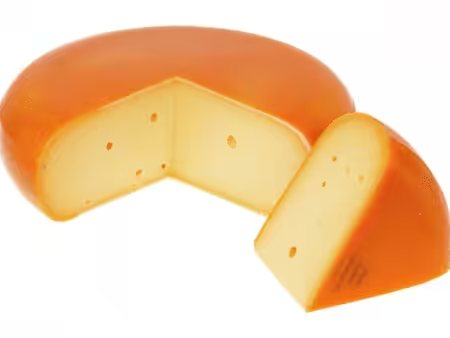
 Vanaf € 8,75 — or subscribe to save 10%
<span class="gtm4wp_productdata" style="display:none; visibility:hidden;" data-gtm4wp_product_data="{"internal_id":10657,"item_id":10657,"item_name":"Geitenkaas 30+"
More to read about cheese?
Browse all our articles about artisan cheese, recipes and tips.
More articles
No image·4 min readMont d’Or or Vacherin Mont-d’Or: the difference between French and Swiss
Mont d’Or and Vacherin Mont-d’Or look identical: a creamy cheese in a round wooden box, available only in winter. Still, they’re two different AOP cheeses from two different countries. Here’s how to tell them apart.
Read more →No image·5 min readSheep cheese, goat cheese and cow’s milk cheese: the difference in taste and origin
Why does Roquefort taste so different from Gouda and Chèvre? The choice of milk determines almost everything: fat content, protein, flavor and texture. We compare sheep cheese, goat cheese and cow’s milk cheese side by side.
Read more →No image·5 min readCrystals in cheese: why aged cheese crunches when you bite into it
Those crunchy white crystals in aged cheese aren’t a flaw; they’re a sign of patient aging. Discover what they are and which cheeses you’ll find them in.
Read more →