

What exactly is the difference between sheep cheese, goat cheese and cow’s milk cheese? For many cheese lovers, it feels intuitive: a Roquefort tastes different from an aged Gouda, and a fresh chèvre tastes completely different from both. Yet it all comes down to one decision the cheesemaker makes, namely which milk goes into the vat. That choice determines almost everything that follows: fat, protein, flavor, texture and even how long the cheese can age.
In this article, we put the three milk types side by side and show which cheeses are typically associated with each one. That way, you’ll know exactly what you’re putting on the table at your next cheese board, and why.
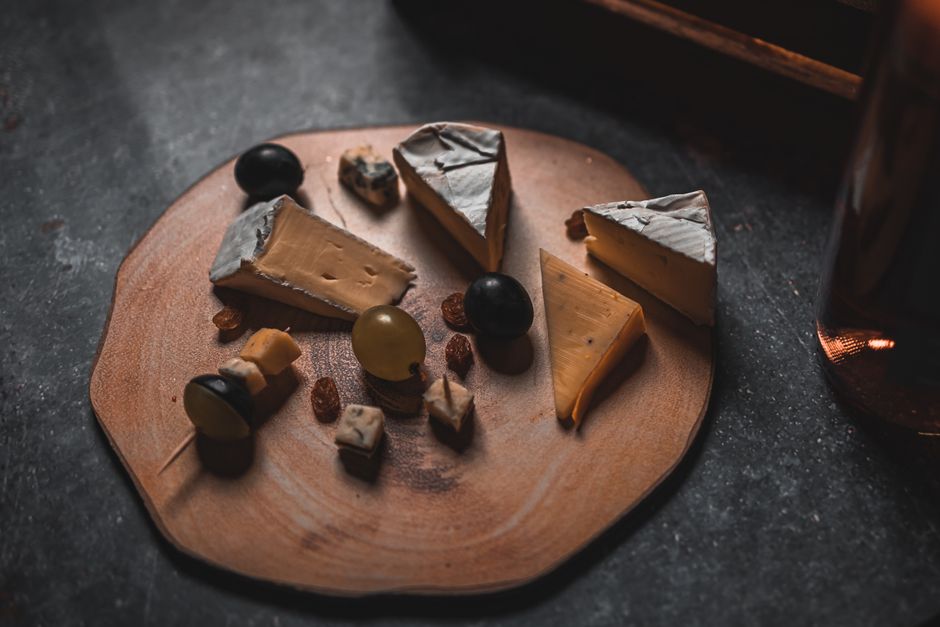
Cow’s milk: the foundation of most Dutch cheese
A dairy cow produces 25 to 30 liters of milk per day, containing roughly 3.5 percent fat and 3.3 percent protein. Cow’s milk is mild, slightly sweet and has that soft yellow color we all know. One liter of cow’s milk yields about 100 grams of hard cheese, so you need a lot of liters for a single wheel of Gouda or Comté. The flavor is usually creamy, buttery and sometimes a little grassy when the cows are out in the pasture.
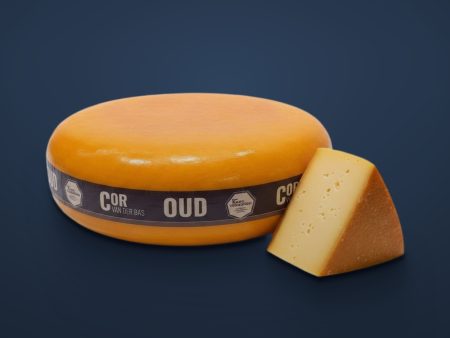
Typical cow’s milk cheeses include Goudse and Edam from the Netherlands, Cheddar from England, Emmentaler from Switzerland and most blue-veined cheeses such as Gorgonzola. A classic like aged farmhouse cheese also falls into this category: raw cow’s milk that ages for twelve months or longer and develops those characteristic crystals. You can read more about that raw milk tradition in our article on raw milk cheese.
Goat’s milk: fresh, white and lightly herbal
Goats produce around 3 to 5 liters of milk per day. That milk is notably white, because goats convert carotene differently than cows, so no yellow color makes it into the milk. You can recognize good goat cheese by the bright white color of the paste, even in older varieties. The flavor is fresh and slightly tangy, with a earthy, lightly herbal note in younger cheeses that cheesemakers call “caprine.”
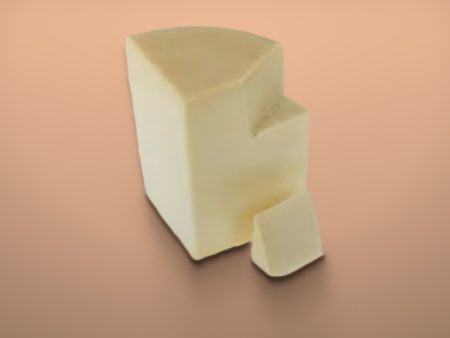
Well-known goat cheeses include French chèvre in all its forms (from fresh and creamy to dry and aged), Dutch goat cheese from farms on the Veluwe and the Utrechtse Heuvelrug, and Greek Feta, which is often made from a blend of sheep and goat’s milk. Looking for a creamy starting point? Try a Chèvre Long or our mature goat cheese for something firmer.
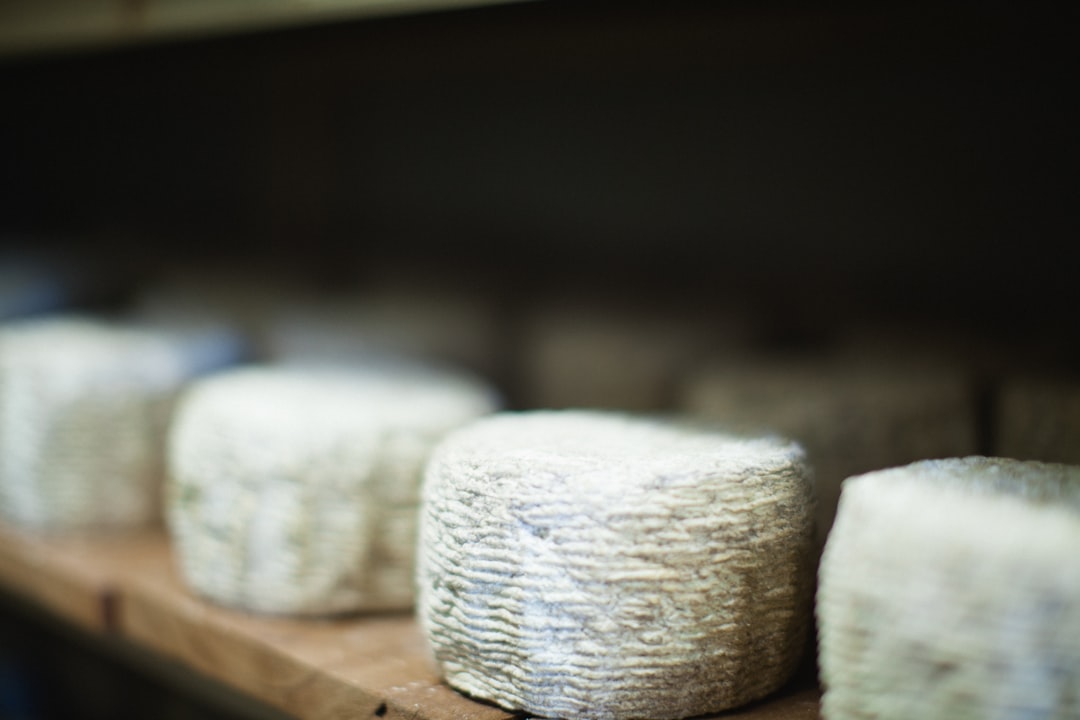
Sheep’s milk: concentrated character
A sheep produces just 1 to 3 liters of milk per day, far less than a cow or goat. What stands out, though, is that sheep’s milk is almost twice as rich. Around 7 percent fat and 6 percent protein is typical. That concentration makes sheep cheese fuller, creamier and often more intense in flavor than anything you can get from cow’s milk. One liter of sheep’s milk yields nearly 200 grams of cheese, so roughly double what cow’s milk gives you.
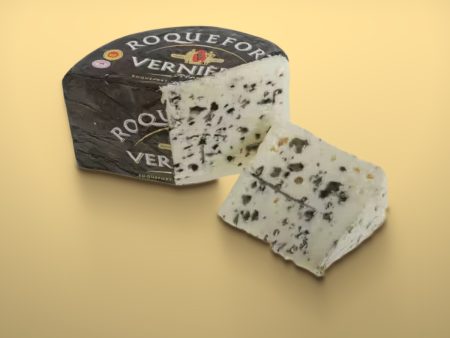
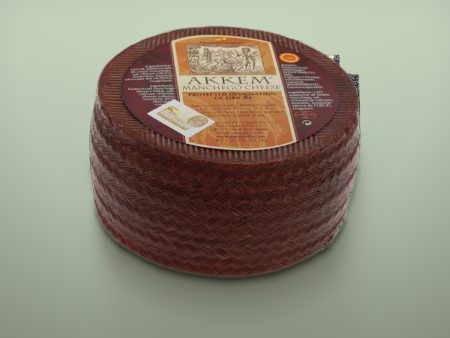
Sheep are also truly seasonal animals that lamb and produce milk mainly in spring and summer. As a result, traditional sheep cheeses are closely tied to the grazing season. The classics come mostly from the Mediterranean: Manchego from Spain, Pecorino from Italy, Roquefort and Ossau-Iraty from France, and Feta from Greece. In the Netherlands the tradition is smaller, but the Friese Ooister shows it can work here too.
Why is sheep cheese more expensive?
The math is simple. A sheep produces about a tenth of what a dairy cow produces, while the care per animal is comparable. One kilo of Manchego requires around 5 to 6 liters of sheep’s milk. Combine that with the seasonal nature of production and the often artisanal methods involved, and it’s easy to see why a good sheep cheese always costs more per kilo than a comparable cow’s milk cheese.
On the cheese board: combine with intention
Want to give your guests a sense of the full range? Put one cheese from each milk type on the board. A mature Goudse for the creamy cow’s milk flavor, a six-month-aged goat cheese for freshness, and a piece of Manchego or Roquefort for the full character of sheep’s milk. Don’t forget La Tur either, an Italian surprise that combines sheep, goat and cow in one creamy little tower. For more pairing inspiration, see our article on white-rind cheese and combinations.
Serve sweet accompaniments alongside: figs and honey with sheep cheese, walnuts and pear with goat cheese, mustard or syrup with cow’s milk cheese. That way each milk type gets to show off its own strengths.
Want to taste for yourself?
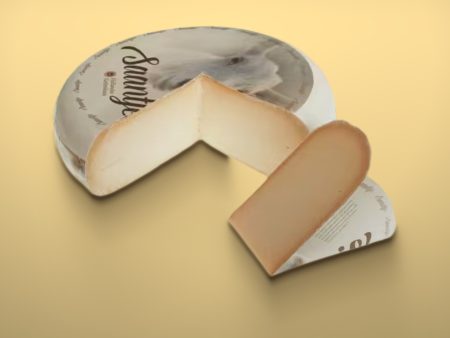
Ordering cheese from Cheese In A Box is easy. We carry great cheeses from every milk type, freshly cut and ready to go:
Or let us surprise you with our cheese subscription: four special cheeses delivered to your door every month, always a mix of milk types and origins.