

French goat cheese and Dutch goat cheese both start with the same milk, yet you end up with two completely different cheeses on your plate. The French typically make small, creamy rind cheeses with a pronounced character. The Dutch tradition is closer to Gouda style: a firm, sliceable cheese you can buy at different ripening stages. This guide breaks down the differences so you know exactly what you’re getting with your next order.
If you’d rather go straight to the range, you’ll find our Dutch cheeses and international cheeses in the shop. Further down in this article you’ll find the goat cheeses we have freshly cut in stock.
What exactly is French chèvre?
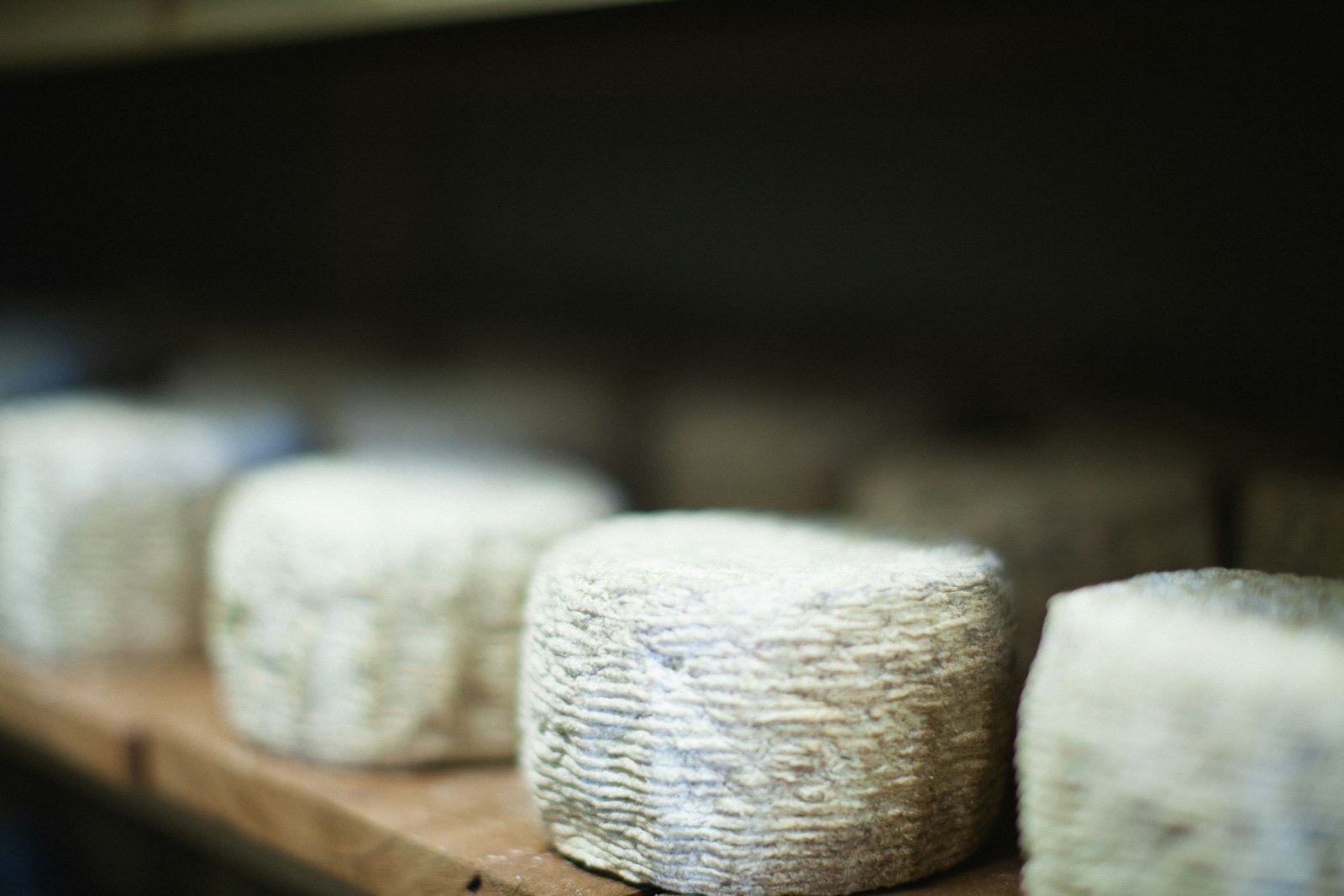
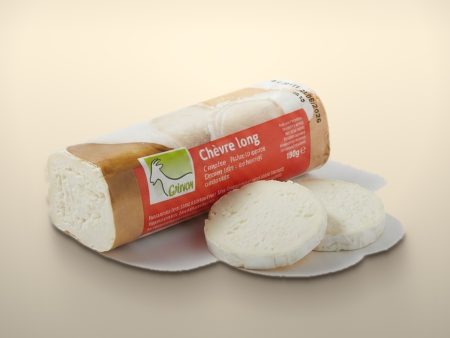
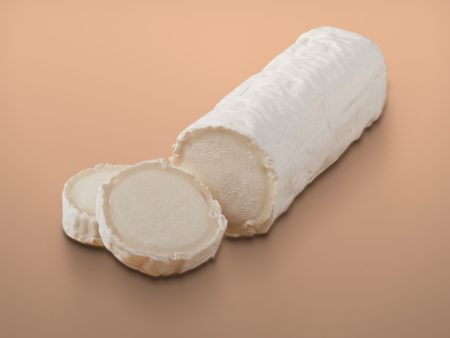
Chèvre is simply the French word for goat. In practice, it’s most commonly used in the Netherlands to refer to French goat cheese: small cheeses made from raw or pasteurized goat’s milk, often with a thin mold or ash rind and a creamy center. Think of the Chèvre Long, a log-shaped goat cheese from the Loire, or the more aged Chèvre Affiné with its pronounced flavor. The Saint Thibaud, a white-rind goat cheese, also belongs to this family.
A defining feature of French chèvre is that these cheeses are eaten young and ripen in a relatively short time. The texture ranges from creamy to chalky, and the rind adds a herby, earthy layer to the flavor. French goat cheese is almost always white to light gray in color, because goat’s milk contains no beta-carotene the way cow’s milk does.
Dutch goat cheese: firm cheese in Gouda style
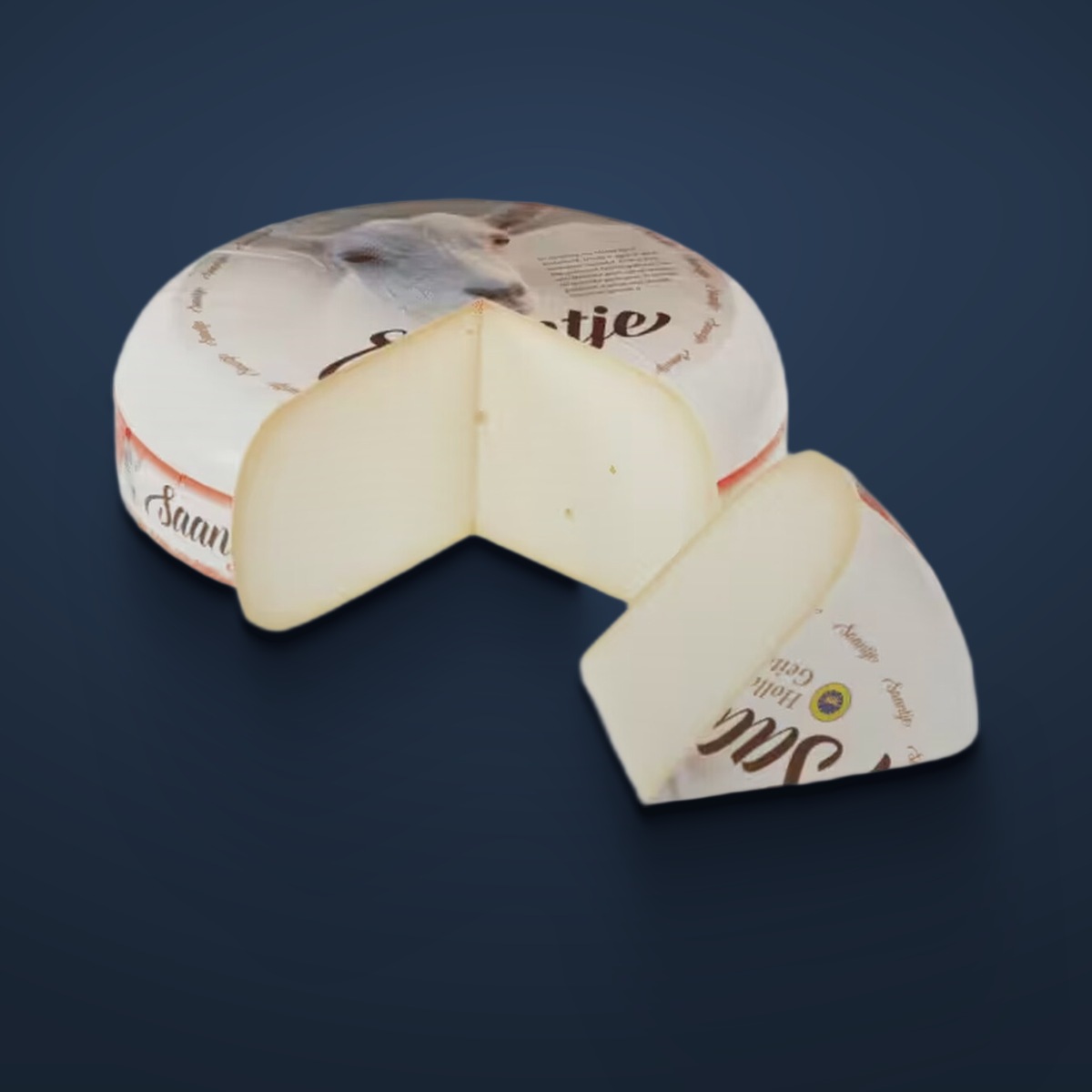
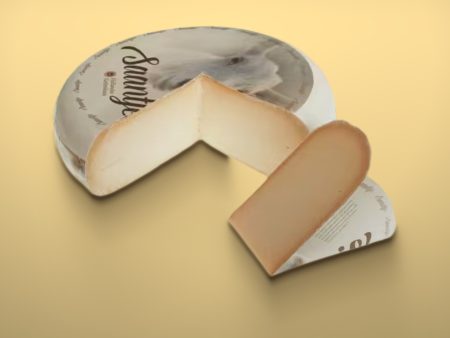
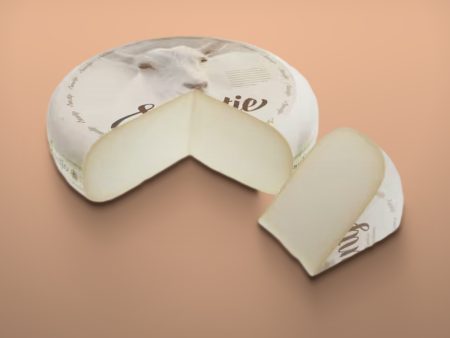
Dutch goat cheese is a very different story. Dutch cheesemakers work in the Gouda tradition, producing a firm, sliceable cheese from goat’s milk. The technique is the same as for a regular Gouda: cutting the curd, pressing, brining, and then aging for weeks to months. The result is a wheel-shaped cheese you slice and buy at different ages, from a creamy mild goat cheese to a tangy aged goat cheese.
Even within Dutch goat cheese, there’s more to explore beyond the basic ripening stages. We carry, for example, a nettle goat cheese and a mature goat cheese. You can read more about how this cheese is made and what varieties exist in our guide what is goat cheese.
Flavor differences: raw-milk rind cheese versus aged hard cheese
The biggest flavor differences come down to three things: aging, rind, and milk type. French chèvre, with its short aging period and white-mold or ash rind, has a creamy, lightly salty and sometimes pronounced flavor. Raw-milk varieties add an earthy, complex layer on top of that. Dutch goat cheese starts mild and creamy, and becomes firmer, saltier, and tangier over time. In an aged Dutch goat cheese, you’ll find those characteristic crystals you also get in aged Gouda.
For most people it comes down to this: if you love rind cheese and a creamy, melting texture, go for French chèvre. If you want a cheese to slice, put on bread, or serve in cubes on a charcuterie and cheese board, Dutch goat cheese is the more natural choice.
What do you use each one for?
A few practical guidelines:
- Salad with honey, walnuts, and pear: French chèvre, briefly grilled on top.
- Warm oven-baked bread roll: French chèvre works well because it melts beautifully and stays creamy.
- Charcuterie and cheese board: combine both. A slice of young Dutch goat cheese next to a piece of Chèvre Affiné really highlights the contrast.
- In a sandwich or at lunch: mild or mature Dutch goat cheese, simply sliced.
- With wine: both love a white wine with good acidity. For pairing inspiration, check our guide on cheese and wine pairings.
Buying French or Dutch goat cheese?
Our advice: get both and taste the difference side by side on one board. That’s the quickest way to find out which style suits you. If you’d like more background on choosing between mild, mature, and aged varieties, take a look at our guide on ordering goat cheese online. If you just want a great selection to compare, you can order cheese directly from our homepage.
Want to taste for yourself?
At Cheese In A Box, we have these goat cheeses freshly cut and ready to order:
Or let us surprise you with our cheese subscription: four special cheeses delivered to your door every month, often including a goat cheese from the Netherlands or abroad.