

Goat cheese is a world of its own. More distinctive than cow’s milk cheese, easier to digest, and a fixture in European cheese traditions for thousands of years. But what exactly is goat cheese, how is it made, and why does it pair so well with so many different eating and drinking occasions? Let us explain.
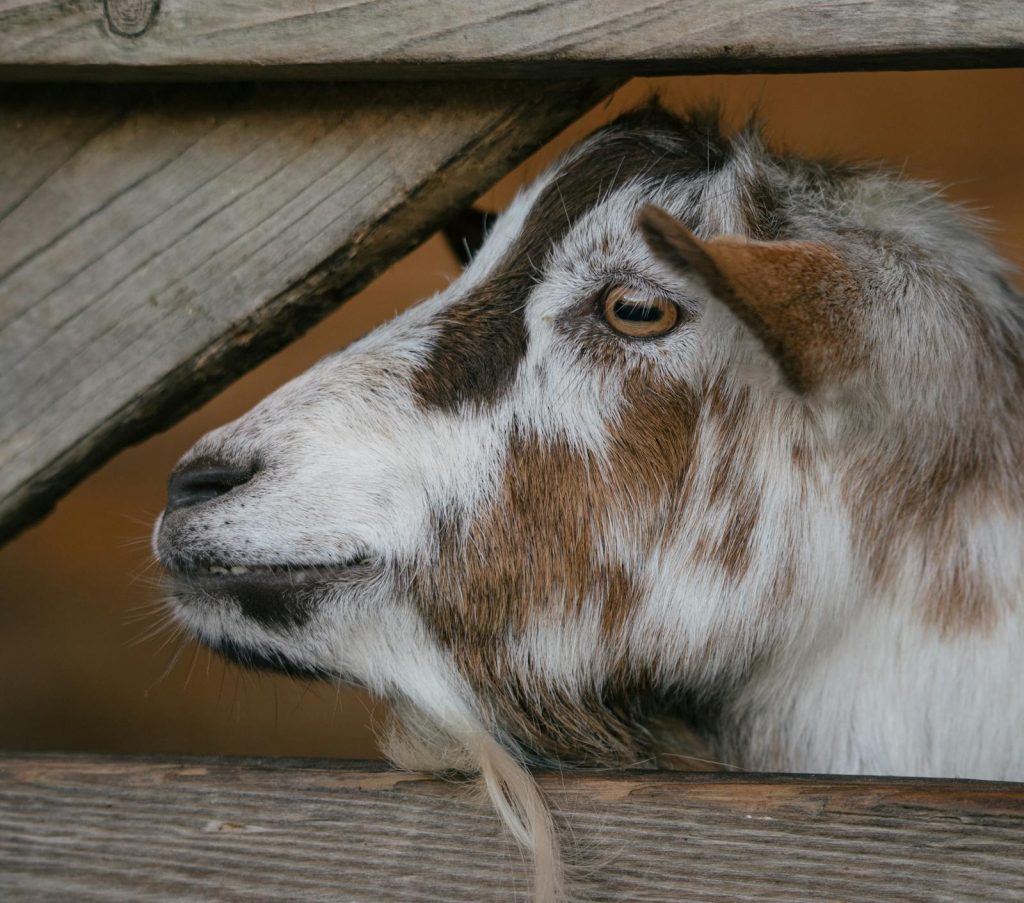
What exactly is goat cheese?
Goat cheese is any cheese made from goat’s milk. That sounds simple, but goat’s milk behaves very differently from cow’s milk. The fat globules are smaller, the protein (mainly casein) has a different structure, and the flavor is naturally fresher and more tangy. As a result, goat’s milk melts and curdles differently, giving you a cheese with its own distinct character.
Goat cheeses are made all over the world, but traditions vary widely. In France, chèvre is known for its soft, creamy varieties with white mold. In the Netherlands, we have a strong tradition of aged goat cheeses in wheels, similar to our Goudse style but made with goat’s milk.
How goat cheese is made
The basic process is similar to that of cow’s milk cheese: rennet or a starter culture causes the milk to curdle, the whey is separated, and the cheese then ripens for days to months. What sets goat cheese apart is in the details:
- Milk: unpasteurized (raw milk) or pasteurized. Raw milk gives more character, but is not suitable for everyone (see below).
- Aging: from a few days (fresh chèvre) to more than a year (extra-aged goat cheese).
- Add-ins: some goat cheeses are refined with herbs, pepper, nettle, fenugreek or truffle.
Soft, hard, young or aged goat cheese?
The biggest differences in flavor come from aging. A few guidelines:
- Soft (fresh) goat cheese is creamy, mild and almost yogurt-like in aroma. Great with salad, on bread or in a quiche.
- Young goat cheese already has some texture but stays supple and approachable. A good starting point for anyone still discovering goat cheese.
- Mature goat cheese is firmer, with more pronounced goat character and a gentle bite.
- Aged goat cheese is intense, dry, and sometimes dotted with small crystals. A true connoisseur’s cheese.
Is goat cheese healthier than regular cheese?
Goat cheese and cow’s milk cheese are both dairy products, but there are a few relevant differences. Goat’s milk naturally contains smaller fat globules and a different type of protein, which is why many people find goat cheese easier to digest. People with a mild cow’s milk protein intolerance can often tolerate goat cheese, though that is certainly not the same as a true cow’s milk allergy. If you’re unsure, check with your doctor or dietitian.
In terms of nutritional value, goat cheese is comparable to cow’s milk cheese: rich in protein, calcium and fat. It contains slightly less lactose, especially in the aged varieties.
Goat cheese and your gut
A frequently asked question. Goat cheese is no miracle cure, but thanks to the smaller fat globules and the natural composition of goat’s milk, many people find it sits lighter on the stomach than cow’s milk cheese. Aged goat cheese also contains virtually no lactose, making it a good option for people who are sensitive to it. That said, everyone reacts differently, so listen to your own body first and foremost.
Or discover our Dutch pride: read about what farmhouse cheese is — our strongest category.
Goat cheese during pregnancy: what’s safe and what isn’t?
For pregnant women, the same advice applies as with other cheeses: avoid raw-milk goat cheeses and soft, mold-ripened varieties such as chèvre with white mold. These can contain Listeria bacteria. Aged, hard goat cheeses made from pasteurized milk are safe, as they are firm enough and have been heated sufficiently to rule out any risk. Not sure about a specific cheese? Check the label or ask at your cheese shop.
Want a complete overview? Read our guide on which cheeses are safe to eat during pregnancy.
What to eat with goat cheese
Goat cheese is a wonderfully versatile pairing cheese. A few classics:
- Beet salad with soft goat cheese and walnuts. A timeless combination.
- Grilled goat cheese on toast with honey and thyme.
- Quiche with spinach and goat cheese: soft, savory and always a hit.
- On the cheese board alongside a mature Goudse and a blue-veined cheese.
- With fruity red wine (young goat cheese) or a dry white wine (soft chèvre).
Our goat cheeses
At Cheese In A Box you’ll find a wide range of artisanal goat cheeses: from mild, young varieties to spicy aged goat cheese and special herb-infused options like nettle, fenugreek and truffle. Browse the full range on our goat cheese page or order cheese online now.
Want to discover a new goat cheese every month? With our cheese subscription you get a surprising selection of artisanal cheeses delivered to your door with every order.
{ “@context”: “https://schema.org”, “@type”: “FAQPage”, “mainEntity”: [ { “@type”: “Question”, “name”: “Is goat cheese healthier than regular cheese?”, “acceptedAnswer”: { “@type”: “Answer”, “text”: “Goat cheese and cow’s milk cheese have comparable nutritional value, but goat’s milk has smaller fat globules and a different type of protein. This is why many people find goat cheese easier to digest. Aged goat cheese also contains virtually no lactose.” } }, { “@type”: “Question”, “name”: “Is goat cheese good for your gut?”, “acceptedAnswer”: { “@type”: “Answer”, “text”: “Thanks to the smaller fat globules and the natural composition of goat’s milk, many people find goat cheese sits lighter on the stomach than cow’s milk cheese. Aged goat cheese contains virtually no lactose, making it suitable for people with mild lactose sensitivity.” } }, { “@type”: “Question”, “name”: “Can you eat goat cheese during pregnancy?”, “acceptedAnswer”: { “@type”: “Answer”, “text”: “Avoid raw-milk goat cheeses and soft mold-ripened varieties (such as chèvre with white mold), as these can contain Listeria. Aged, hard goat cheeses made from pasteurized milk are safe.” } }, { “@type”: “Question”, “name”: “What pairs well with goat cheese?”, “acceptedAnswer”: { “@type”: “Answer”, “text”: “Goat cheese pairs beautifully in beet salad with walnuts, on grilled toast with honey and thyme, in a quiche with spinach, and on a cheese board alongside mature Goudse. For wine: a fruity red wine (young goat cheese) or a dry white wine (soft chèvre).” } }, { “@type”: “Question”, “name”: “What is the difference between soft and hard goat cheese?”, “acceptedAnswer”: { “@type”: “Answer”, “text”: “Soft (fresh) goat cheese is creamy, mild and almost yogurt-like, think French chèvre. Hard, aged goat cheese (such as Dutch farmhouse goat cheese) has ripened for months to over a year, making it firmer, drier and more pronounced in flavor.” } } ] }