

Mozzarella, perhaps the world’s most beloved Italian cheese. On pizza, in a caprese, in a lasagne or straight from the bag. But what exactly is mozzarella, what’s the difference between Mozzarella di Bufala and Fior di Latte, and is it safe to eat during pregnancy? We’ll explain.
What exactly is mozzarella?
Mozzarella is an Italian fresh pasta filata cheese: a style of cheese where the curd is kneaded and stretched in hot water into an elastic mass, then shaped into balls. That elastic, stringy texture is unmistakable the moment you cut into a fresh mozzarella.
The name comes from the Italian verb mozzare, meaning to cut or pinch off, referring to the traditional way the balls are hand-pinched from the mass. Mozzarella is eaten fresh, usually the same day or within a few days of production, which makes it a very different cheese from long-aged hard Italian varieties like Parmesan or pecorino.
Another pasta-filata family member: provolone — an aged variety from the same family.
Mozzarella di Bufala or Fior di Latte: what’s the difference?
At the store, you’ll mainly come across these two:
- Mozzarella di Bufala Campana DOP: made from buffalo milk in a defined region of southern Italy (Campania, parts of Lazio, Molise and Puglia). Creamier, richer, with a subtly tangy milk flavor. The original and most highly regarded mozzarella.
- Fior di Latte: made from cow’s milk. Milder, whiter and slightly firmer in texture than bufala. More affordable and widely available.
For a classic caprese with good tomatoes and olive oil, Mozzarella di Bufala is ideally your first choice. For pizza, where the cheese gets baked, Fior di Latte is often preferred: it has less moisture and melts better without making the pizza soggy. Many pizzaiolos use a specific variety: low-moisture mozzarella, or mozzarella per pizza.
How mozzarella is made
The pasta filata process is what makes mozzarella so special:
- Coagulation: cow’s or buffalo milk is heated and set using natural whey acids or rennet.
- Cutting and draining the curd: the set milk is cut into pieces and the whey drains off.
- Kneading in hot water: the curd goes into water at around 90°C, where it’s kneaded and stretched into an elastic mass. This is the pasta filata process.
- Shaping: the mass is pinched or pulled into balls (mozzarelline, bocconcini, or larger balls of 100–250 grams).
- Brining: a short salt bath for flavor and shelf life.
- Packaging: in its own whey or lightly salted water. Eat it within 24–48 hours of production for the best results.
Mozzarella, burrata or stracciatella: what’s the difference?
Three related Italian fresh cheeses that are often confused:
- Mozzarella: a firm, elastic ball made from pasta filata. Solid all the way through.
- Burrata: looks like mozzarella on the outside, but inside you’ll find a creamy filling of stracciatella and cream. Cut it open and it spills out. A real treat on your plate.
- Stracciatella: the creamy filling inside burrata, loose mozzarella strands in cream, also sold as a standalone cheese.
Burrata is often described as mozzarella’s flamboyant cousin, and pairs beautifully with a ripe tomato, roasted beets or a glass of dry white wine.
Is mozzarella healthy?
Fresh mozzarella has a different nutritional profile from aged cheeses:
- High moisture content: around 50–60% water, making it lighter per gram than hard cheeses.
- Protein: 18–22 grams per 100 grams. A solid source.
- Calcium: yes, a good source, though less concentrated than in aged cheeses.
- Lactose: mozzarella does still contain lactose, unlike Parmigiano or Grana Padano. People with significant lactose intolerance may experience discomfort.
- Salt and fat: relatively mild, especially Mozzarella di Bufala. A good option if you’re looking for something a little lighter.
Eating mozzarella during pregnancy: what’s the advice?
It comes down to two things: the milk and the pasteurization:
- Pasteurized mozzarella (most supermarket varieties): safe during pregnancy. Pasteurization kills the Listeria bacterium.
- Raw-milk mozzarella (often artisanal Italian versions, sometimes found at cheese shops): avoid. The high moisture content and short aging time mean Listeria can survive.
Always check the label. If it says “pastorizzato” or “pasteurized,” you’re good to go. When in doubt, ask at the cheese shop, or choose one of the safe alternatives like Parmigiano Reggiano.
Want a complete overview? Read our guide on which cheeses are safe to eat during pregnancy.
What goes well with mozzarella?
Mozzarella is a star in Italian cuisine:
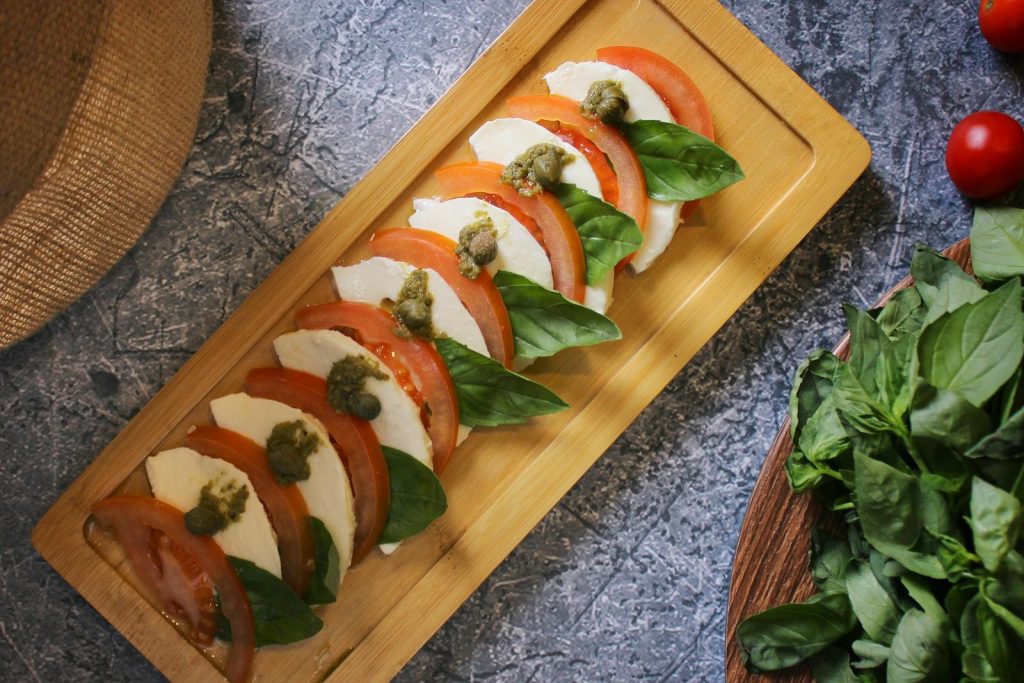
- Caprese: fresh mozzarella (Bufala), sun-ripened tomatoes, basil, good olive oil, a pinch of salt. No balsamic needed, the tomato provides all the acidity.
- Pizza Margherita: tomato, mozzarella, basil. The classic.
- Lasagne: melts beautifully between the pasta layers.
- Insalata Caprese in a wrap, sandwich or panini.
- On a charcuterie and cheese board: mozzarella balls with olives, prosciutto and an aperitivo.
- In a pasta sauce: add at the very last moment so it melts without completely dissolving.
One important tip: serve fresh mozzarella at room temperature, not cold from the fridge. Take it out 20–30 minutes before eating and the flavor and texture will be much better for it.
Our Italian cheeses
Mozzarella isn’t part of our regular range at Cheese In A Box. Fresh mozzarella requires a daily supply chain that doesn’t fit our fresh-cut-on-order approach. For the Italian cheese lover, we do carry a strong selection of harder, more aged classics:
- Parmigiano Reggiano, the king of Italian cheeses, long-aged and intense in flavor.
- Pecorino, Italian sheep cheese, a classic with pasta dishes like cacio e pepe and carbonara.
- Gorgonzola Dolce and Gorgonzola, the iconic Italian blue cheeses.
Want to discover a new artisanal cheese every month? Our cheese subscription brings a surprising selection of cheeses, Italian and international, straight to your door with every delivery.
{ “@context”: “https://schema.org”, “@type”: “FAQPage”, “mainEntity”: [ { “@type”: “Question”, “name”: “What is the difference between Mozzarella di Bufala and Fior di Latte?”, “acceptedAnswer”: { “@type”: “Answer”, “text”: “Mozzarella di Bufala Campana DOP is made from buffalo milk in a defined region of southern Italy (Campania and surroundings): creamier, richer and with a subtly tangy milk flavor. Fior di Latte is made from cow’s milk: milder, whiter and slightly firmer in texture. For caprese, choose Bufala. For pizza, where the cheese gets baked, choose Fior di Latte or a low-moisture variety.” } }, { “@type”: “Question”, “name”: “Is it safe to eat mozzarella during pregnancy?”, “acceptedAnswer”: { “@type”: “Answer”, “text”: “Pasteurized mozzarella (most supermarket varieties) is safe during pregnancy. Pasteurization kills Listeria. Raw-milk mozzarella (often artisanal Italian versions) should be avoided, as Listeria can survive due to the high moisture content. Always check the label for ‘pastorizzato’ or ‘pasteurized’.” } }, { “@type”: “Question”, “name”: “What is the difference between mozzarella and burrata?”, “acceptedAnswer”: { “@type”: “Answer”, “text”: “Mozzarella is a firm, elastic ball of pasta filata with a solid interior. Burrata looks like mozzarella on the outside but contains a creamy filling of stracciatella (loose mozzarella strands) and cream. When you cut it open, it spills out, hence the dramatic presentation. Stracciatella is the loose filling, also available as a standalone cheese.” } }, { “@type”: “Question”, “name”: “Does mozzarella contain lactose?”, “acceptedAnswer”: { “@type”: “Answer”, “text”: “Yes. Unlike long-aged Italian cheeses such as Parmigiano Reggiano, Grana Padano and Pecorino, mozzarella is a fresh cheese that still contains significant amounts of lactose. People with significant lactose intolerance may experience discomfort. Better choices for those sensitive to lactose are aged hard cheeses, where the lactose breaks down during the aging process.” } }, { “@type”: “Question”, “name”: “How do you make a great caprese with mozzarella?”, “acceptedAnswer”: { “@type”: “Answer”, “text”: “For a classic caprese: use fresh Mozzarella di Bufala at room temperature (taken out of the fridge 20–30 minutes ahead), sun-ripened tomatoes (preferably oxheart or San Marzano), fresh basil leaves, good extra-virgin olive oil and a pinch of sea salt. No balsamic needed: the tomato provides its own acidity. Slice, arrange in overlapping layers and serve immediately.” } } ] }Or discover our Dutch pride: read about what farmhouse cheese is — our strongest category.