

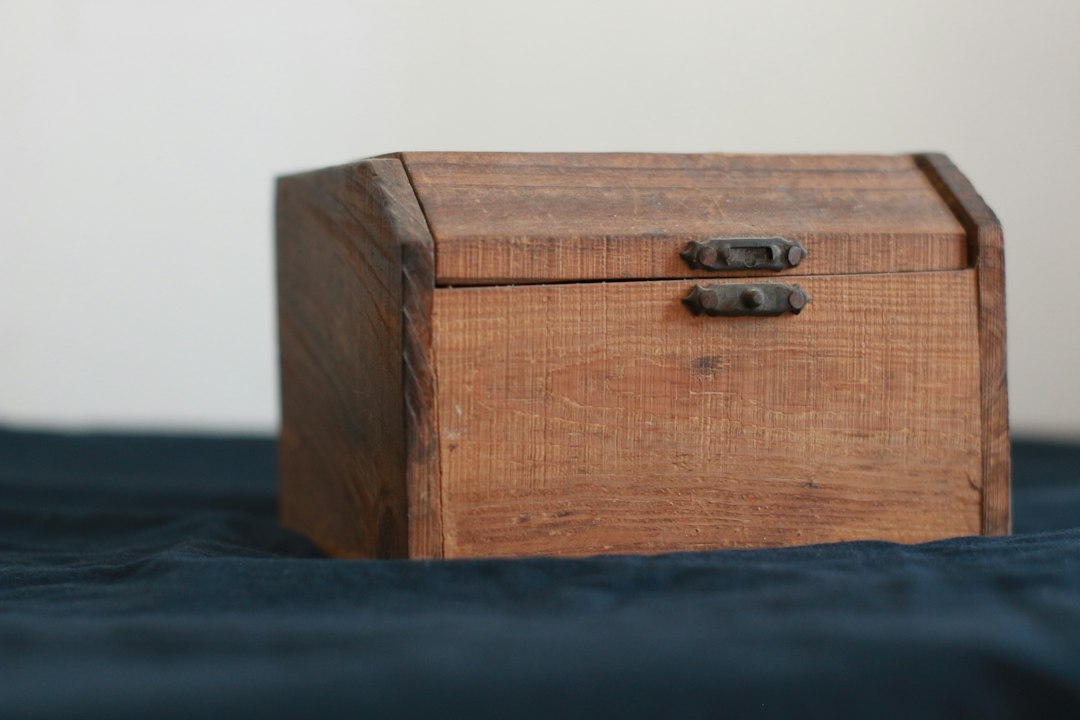
Around September, they show up in the cheese shop again: those distinctive round wooden boxes with a runny, creamy cheese inside that you eat with a spoon. Customers regularly ask us about the difference between Mont d’Or and Vacherin Mont-d’Or: is it the same cheese, or are Mont d’Or and Vacherin Mont-d’Or two different cheeses? The short answer: they are two AOP cheeses from two different countries, which look alike but each come from their own tradition. Below, we explain what to look for.
Two AOP cheeses, two countries
The French Mont d’Or comes from the Haut-Doubs, right along the Swiss border. The cheese received French AOC status in 1981, and it has been a European AOP since 1996. Its official name is Mont d’Or or Vacherin du Haut-Doubs. Traditionally, this cheese was made in the winter months, when there wasn’t enough milk for a large Comté wheel. Farmers would make smaller, soft cheeses instead, wrapped in a strip of spruce bark.
The Swiss Vacherin Mont-d’Or comes from the Vallée de Joux in the canton of Vaud, on the Swiss side of the Jura Mountains. This version has been protected since 2003 and is now officially called Vacherin Mont-d’Or AOP. So the two versions come from the same mountain range and share the same techniques, but the national border runs right through it. At Cheese In A Box, we sell the Swiss version, which is readily available for much of the season.
Differences in milk, aging and flavor
The biggest practical difference is in the milk. The French Mont d’Or is made from raw cow’s milk, from Montbéliarde or Simmental cows. This gives it a more intense flavor, with clear notes of hay, butter and tree bark. The Swiss Vacherin Mont-d’Or uses heat-treated milk (briefly warmed to 57 to 68 degrees Celsius, so not pasteurized), which makes the profile a little rounder and milder. The Swiss have been thermizing their milk since the end of 1985. Both cheeses are wrapped in a strip of spruce bark (la sangle d’épicéa), which releases resinous, pine-like aromas into the cheese during aging.
For a full flavor profile and the history of the cheese, we have a separate guide on what Mont d’Or actually is. In short: both cheeses have a creamy to runny texture and a lightly salty taste, with characteristic bark notes. The French version is more pronounced, the Swiss one more approachable.
Why only in winter?
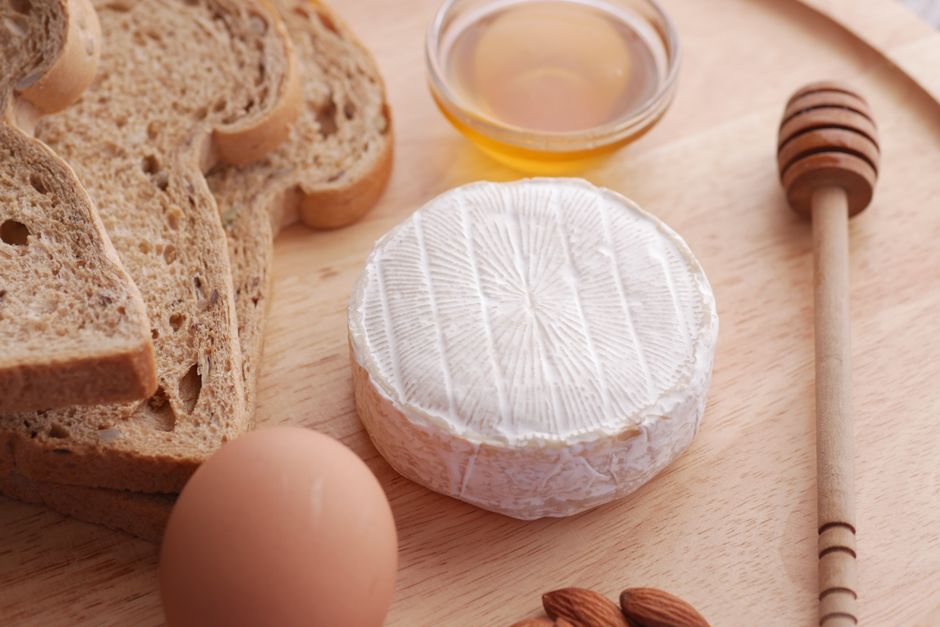
Both the French and the Swiss versions have a strict season. Mont d’Or is made between August 15 and March 15, and may be sold from September 10 to May 10. In Switzerland, sales run roughly from September to April. This limit comes from tradition: in summer, the cows grazed on the high mountain pastures and the milk went to large mountain cheeses like Comté. In winter, when the animals stayed in the barn on hay, there was less milk and smaller cheeses were made in wooden molds. This tradition is deliberately written into the AOP rules, so outside the season you won’t find these cheeses fresh.
How to eat Mont d’Or
The classic way is la boîte chaude: warm from the oven, in its own box, with baguette, baby potatoes and smoked ham. You can read how to do it step by step in our guide to Mont d’Or. A full-bodied white wine like a Jura Chardonnay or a Savagnin pairs well with it.
More cheese for your winter table
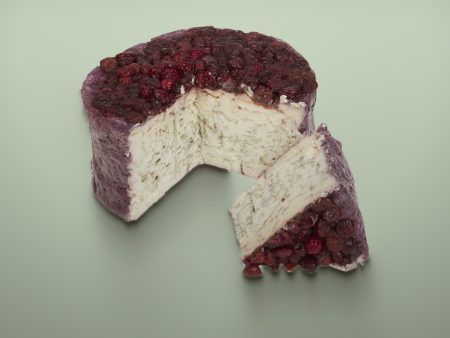
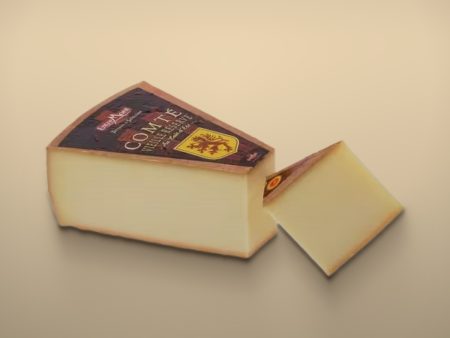
If you put together a cheese board in winter, Mont d’Or is often the showstopper, but it needs contrast. Next to the soft, creamy texture of Mont d’Or, blue cheese works beautifully as a counterweight: the salty, spicy veins of Roquefort, for example, or the creamier Italian Blu’61, go well with the same white wine and baguette you serve with Mont d’Or. If you prefer a sturdier mountain profile, Tomme de Savoie is a great addition: nutty, slightly earthy, and easy to slice for guests who don’t want a spoonable cheese.
Want to taste it yourself?
At Cheese In A Box, we carry these cheeses, with the Vacherin Mont-d’Or sold whole in its own box. You can easily order cheese through our webshop:

Or let us surprise you with our cheese subscription: four special cheeses delivered to your door each month, so during the season the Vacherin Mont-d’Or lands on your doormat automatically.