
What exactly is mountain cheese? The name sounds romantic, and it is. Mountain cheese is the umbrella term for cheeses from the mountain regions of the Alps, the Jura, the Vosges and the Pyrenees. In summer, the cows graze on mountain pastures full of herbs and flowers, and you can taste it: full-bodied, nutty and with a long, warm finish. From French Tomme de Savoie to Swiss Gruyère, mountain cheese is a category with a lot of flavor and surprisingly much variety.
Where does mountain cheese come from?
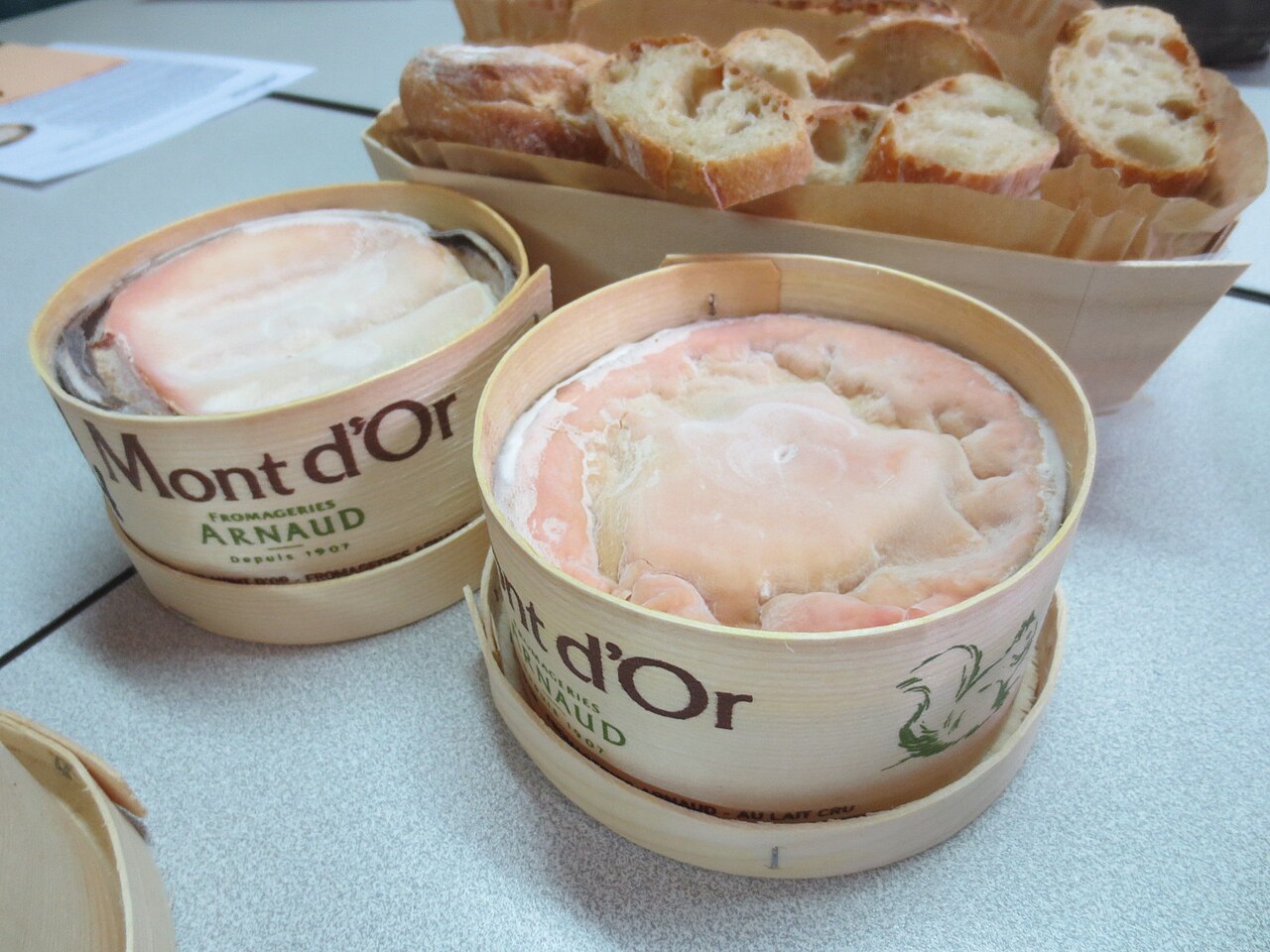
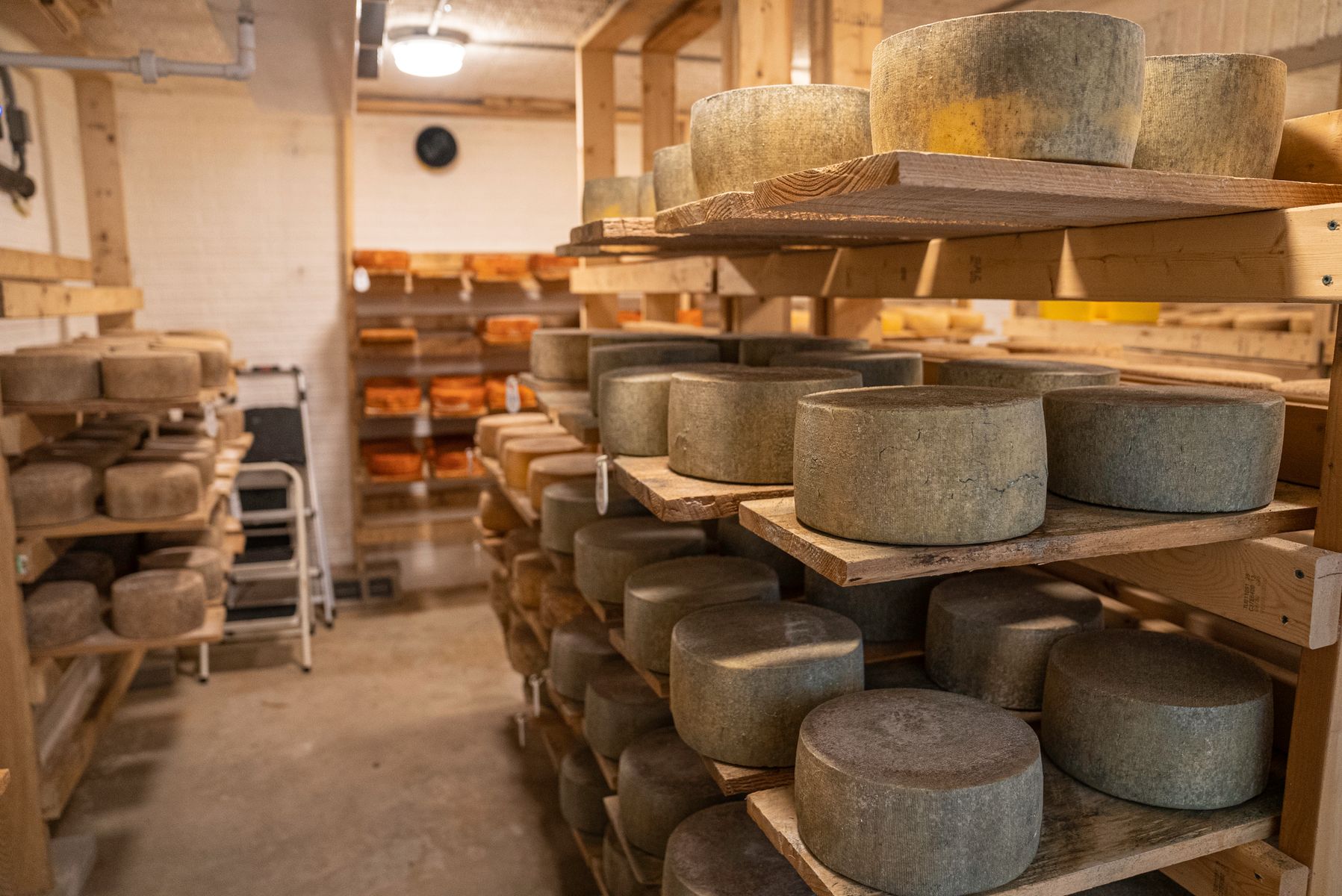
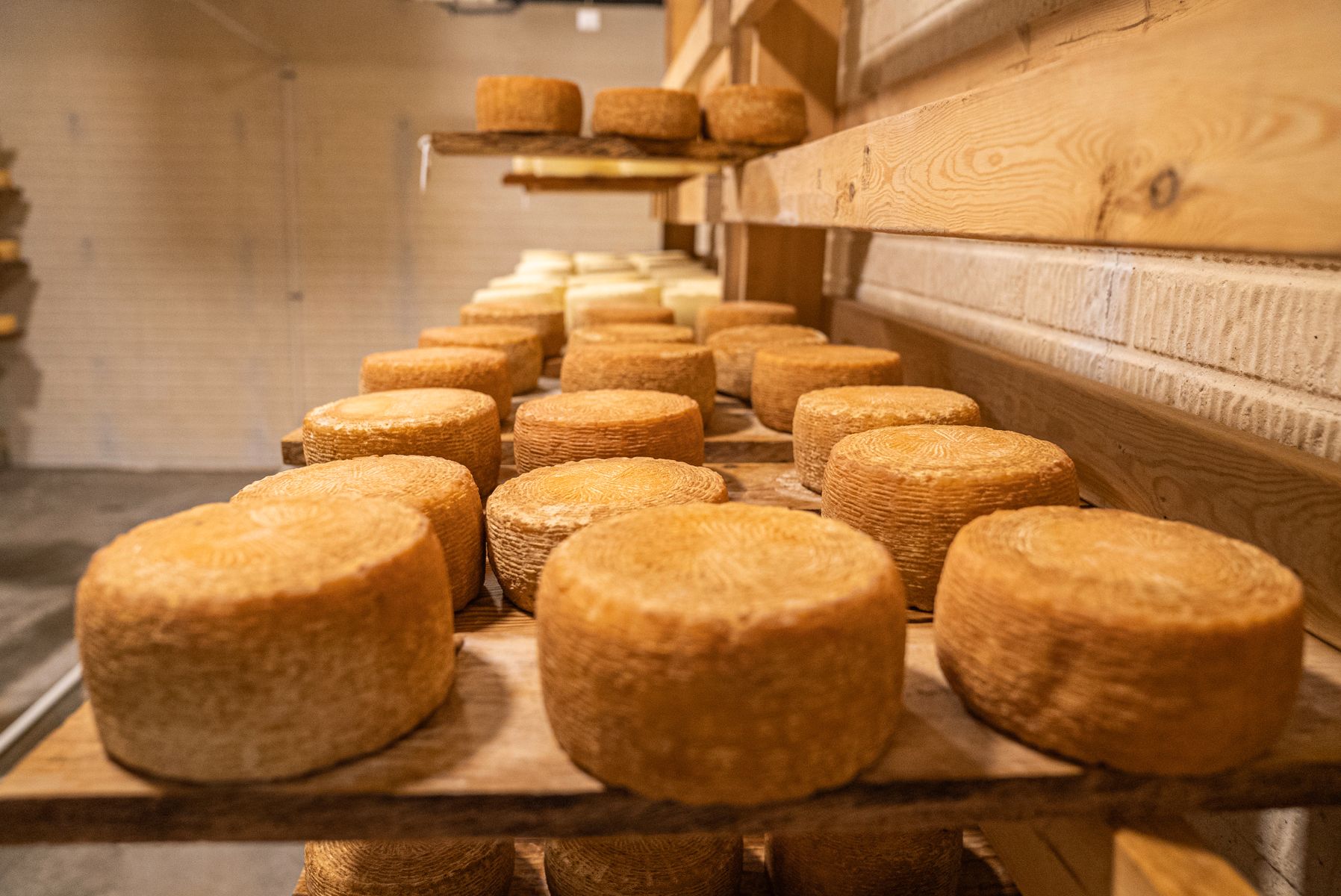
The tradition of mountain cheese is centuries old. In summer, farmers took their herds up to the alpages, the high mountain pastures, and made cheese right there in wooden chalets. That still happens today, although a lot of mountain cheese is now also produced in village dairies down in the valley. What stays the same is the milk: rich in herbs, fragrant and extra aromatic in summer thanks to the alpine flora. That quality calls for a long aging process, and that is where the character of mountain cheese comes from. Aging times vary widely: from a few weeks for soft mountain cheeses like Vacherin Mont-d’Or to four months or well over a year for hard mountain cheeses like Comté, Beaufort and Gruyère.
Flavor and texture
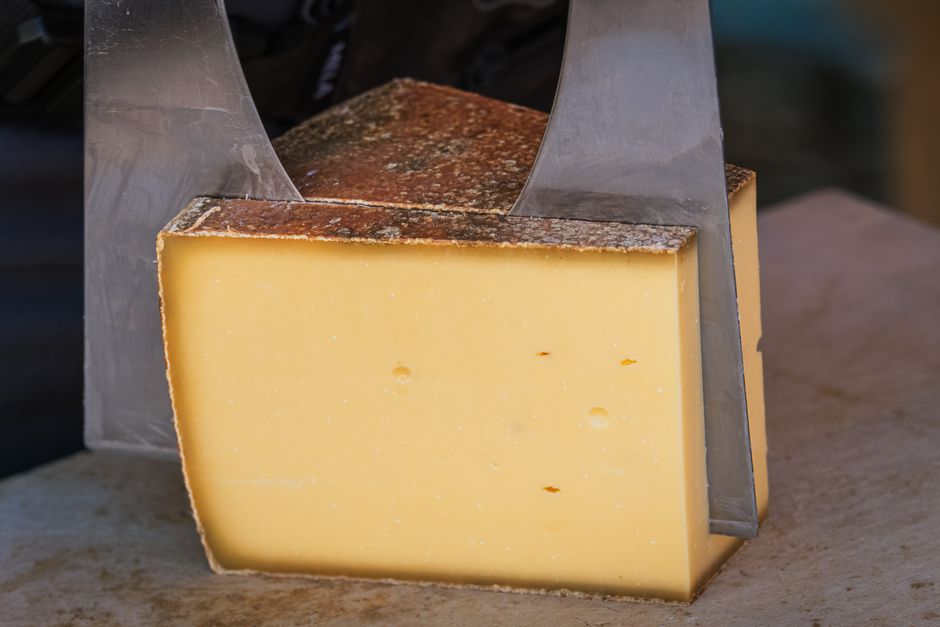
A good mountain cheese tastes full and nutty, with notes of hay, broth and, with longer aging, caramel. The texture is firm but supple, often with small eyes in the paste. Younger mountain cheese is milder and creamier, while older versions are sharper, drier and sometimes have tiny crystals in the cut surface. These are tyrosine crystals: tyrosine is an amino acid that is released when proteins break down during aging, and the crystals are actually a sign of a well-aged cheese. They give a slightly crunchy bite that many cheese lovers appreciate.
Well-known types of mountain cheese
Very different classics fall under the mountain cheese label. The best known:
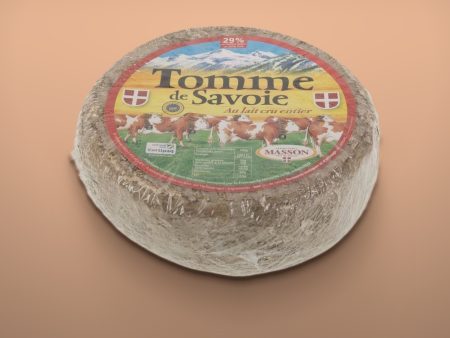
- Tomme de Savoie: French cow’s milk cheese from the Savoie with a gray mold rind and a mild, slightly sweet paste. A perfect starter in the world of mountain cheeses.
- Morbier: recognizable by the thin black line of vegetable charcoal through the middle (originally ash). A soft, lightly fruity flavor with a subtle earthy note from the rind.
- Vacherin Mont d’Or: a creamy winter cheese from the Swiss Jura, sold in a spruce wood box. It is only made in the winter months, when the cows are back in the barn from the mountain pastures.
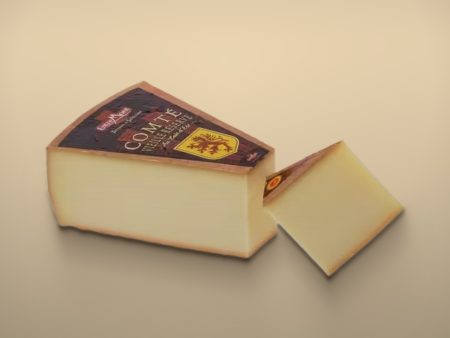
- Comté, Gruyère and Beaufort: the great classics from the Jura and the Alps, long-aged, herbaceous and the foundation of a classic fondue.
- Emmentaler: the best-known Swiss cheese from the alpine region, with its signature holes and mild nutty flavor.
How to serve mountain cheese
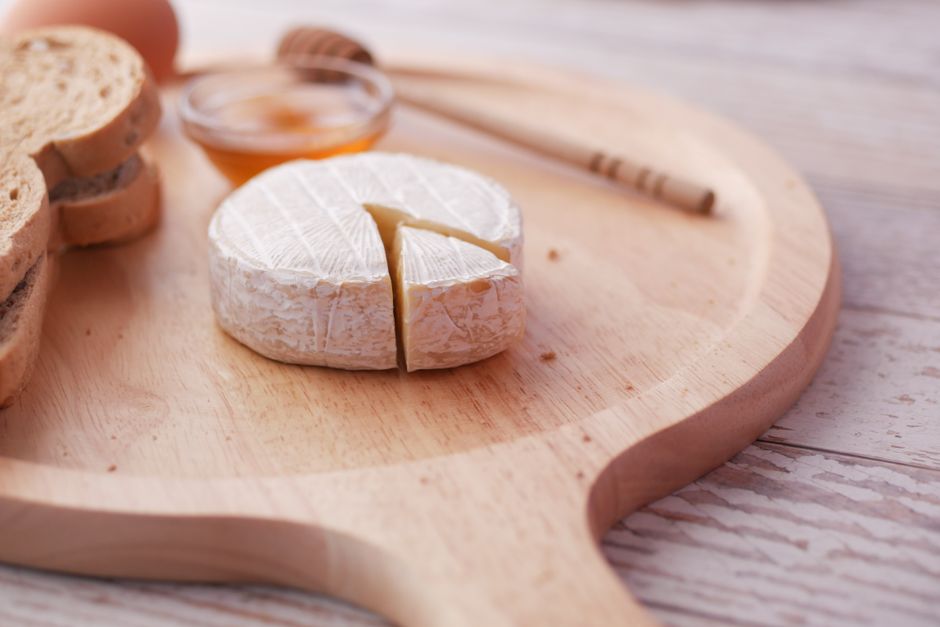
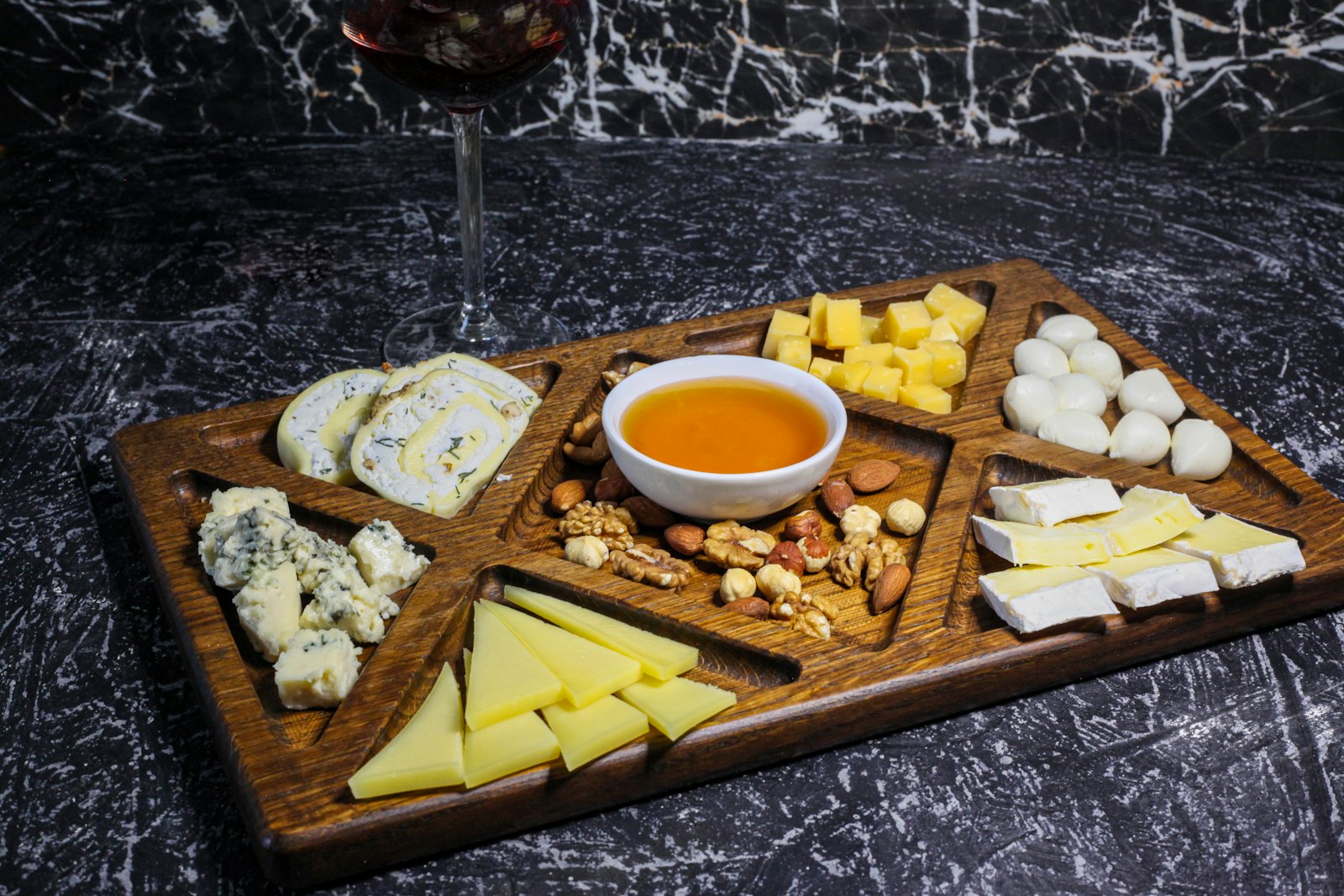
Mountain cheese shines on a board and in hot dishes. On a cheese board, pair it with nuts, dried apricots, figs or honey, and with hearty bread. For drinks, white wines from the same region work well, such as a Chignin from the Savoie or a vin jaune from the Jura. A lightly fruity beer or a glass of dry cider works too. Melted, mountain cheese really comes to life: in cheese fondue, raclette, tartiflette or simply on a slice of bread under the broiler. Grate it over pasta or a gratin for extra depth.
Storage tips
Store mountain cheese in cheese paper, or in parchment paper with a layer of plastic wrap around it, in the crisper drawer of your fridge. Take it out at least half an hour before serving so the flavor can open up at room temperature. A cut piece usually keeps well for two to three weeks.
How it differs from other cheeses
Where Dutch cheeses like Goudse often start out milder and sweeter, mountain cheese is nuttier and more herbaceous even when young. That comes from the grass and herbs the cows eat in the mountains, and from the longer aging. Compared to a creamy winter cheese like Vacherin Mont-d’Or, a classic hard mountain cheese is drier and sturdier in structure, with more bite. So it’s perfect when you want something firmer than a young Brie, but not as sharp as an extra mature Dutch cheese.
Want to taste it yourself?
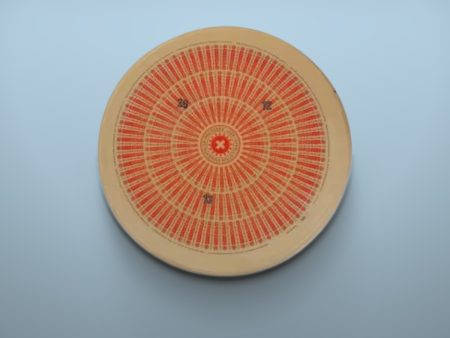
Curious now? At Cheese In A Box, we carry these mountain cheeses freshly cut from the wheel:
You can also order cheese in a tasting box, or let us surprise you every month with four special cheeses from our cheese subscription. That way, you’ll discover step by step which mountain cheese becomes your favorite.