

Grass-milk cheese is the first cheese of the cheese year, made from the first pasture milk after the cows head back outside in spring. A true seasonal cheese, available mainly from May through summer. In this article, we explain what grass-milk cheese is, why it’s a little yellower and milder than your average young cheese, and how best to serve it.
What exactly is grass-milk cheese?
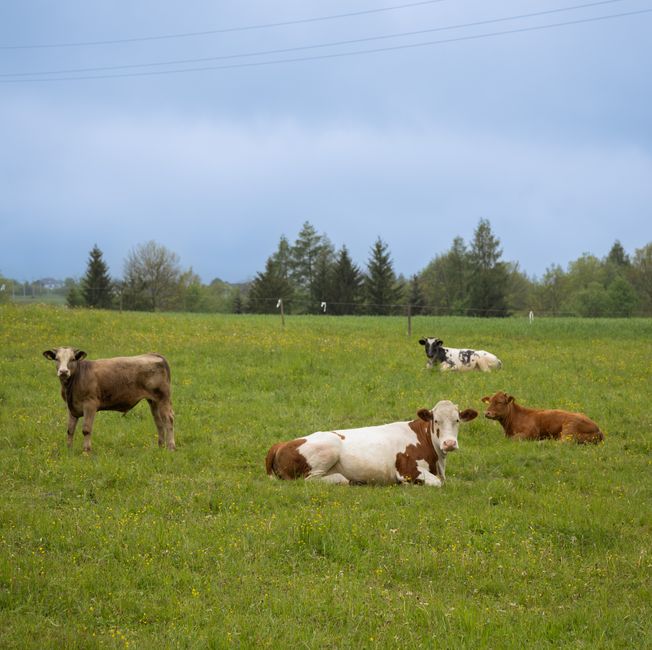
Grass-milk cheese is a young, semi-hard Dutch cow’s milk cheese made from the very first pasture milk of the season. As soon as the cows can go back outside in April or early May, they graze on fresh, young grass. That diet has a direct effect on the milk: more carotene, more unsaturated fatty acids, and a slightly sweeter, fresher flavor. Cheesemakers collect that first flush of milk and turn it into a cheese that needs only a short aging period, usually four to six weeks. The result is a mild, creamy cheese with a character all its own.
Dutch tradition holds that true grass-milk cheese must be made within a few weeks of the cows moving from barn to pasture. In practice, cheesemakers follow the grass and the weather rather than a fixed date.
What does grass-milk cheese taste like?
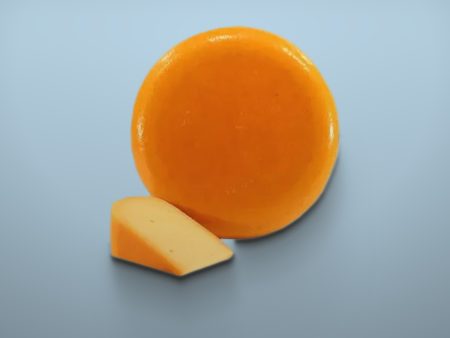
The most striking difference from an ordinary young cheese is the color: grass-milk cheese is noticeably yellower, sometimes almost butter-yellow. That comes from the carotene in fresh grass, not from coloring. You can taste it too. Expect a light grassy note, a hint of hay, a fresh touch of acidity, and a smooth, supple finish. It’s milder than a mature cheese and creamier than most other young cheeses. If you want to understand the difference between young and mature, put a piece of young Gouda next to a slice of grass-milk cheese and taste them blind. Nine times out of ten, people will pick the grass-milk cheese as the sweeter of the two.
How is grass-milk cheese made?
The basic recipe is similar to that of an ordinary Gouda: pasture milk is warmed, set with rennet, cut, pressed into a mold, and placed in a brine bath. The differences are in the details. A little less washed whey is often added, which gives the cheese a slightly more pronounced and sweeter character. The aging period is short, usually four to six weeks, which keeps the paste supple and soft.
A lot of grass-milk cheese comes from Noord-Holland, where the combination of saline pastureland and Jersey and Holstein cows has been producing characterful milk for centuries. Our Noord-Hollandse Graskaas comes from exactly that area and is a fine example of the type: rounded, creamy, and with that characteristic fresh finish.
How do you serve grass-milk cheese?
Because grass-milk cheese is mild and creamy, it works in virtually any situation where you’d use a young or semi-mature cheese. A few ideas:
- On a thick slice of bread with a thin layer of butter and some fresh chives.
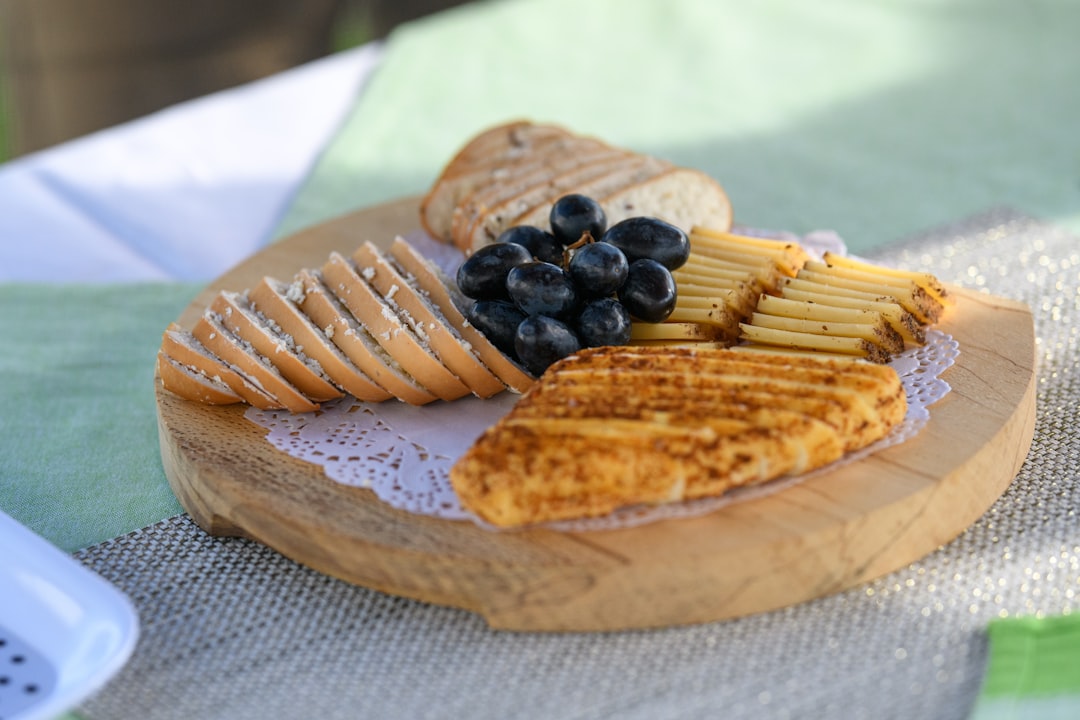
- On a spring cheese board alongside asparagus, radishes, young garden herbs, and a glass of dry white wine.
- Melted in a toasted sandwich with a thin slice of raw ham, it stays beautifully supple.
- Cubed through a green salad with strawberries and walnuts.
Drink pairing: a crisp Sauvignon Blanc, a Dutch white wine made from Pinot Blanc, or a light lager with little bitterness. For inspiration on what else to put on the board, see our article on the Gouda cheese family.
Grass-milk cheese vs. spring cheese, young cheese and May cheese
The terms often get mixed up. Spring cheese is usually a marketing name for a young cheese released in spring, not necessarily made from the first pasture milk. May cheese is a somewhat old-fashioned term for what we now call grass-milk cheese. An ordinary young cheese can be made at any time of year, from barn milk or pasture milk. If you’re looking for that first summer cheese with the real carotene effect, choose a grass-milk cheese from the current season.
Storing and bringing to room temperature
Store grass-milk cheese the same way you would any young cheese: wrapped in cheese paper or parchment paper, in the fridge at four to seven degrees. Plastic wrap pressed against the paste makes the cheese sweat, so it’s best avoided. Take it out of the fridge a good half hour before serving so the full flavor can open up. Fresh, young cheeses taste best within the first two weeks after purchase. For more on the right method, see our article on storing cheese.
Want to try it yourself?
At Cheese In A Box we carry a fresh grass-milk cheese in our range, plus young and mature counterparts to compare it with. A great little set for tasting the seasonal difference yourself:
Prefer a monthly surprise with a rotating selection? Our cheese subscription delivers four artisanal cheeses straight to your door, including seasonal cheeses like this one. Or browse the full range to order cheese yourself.