
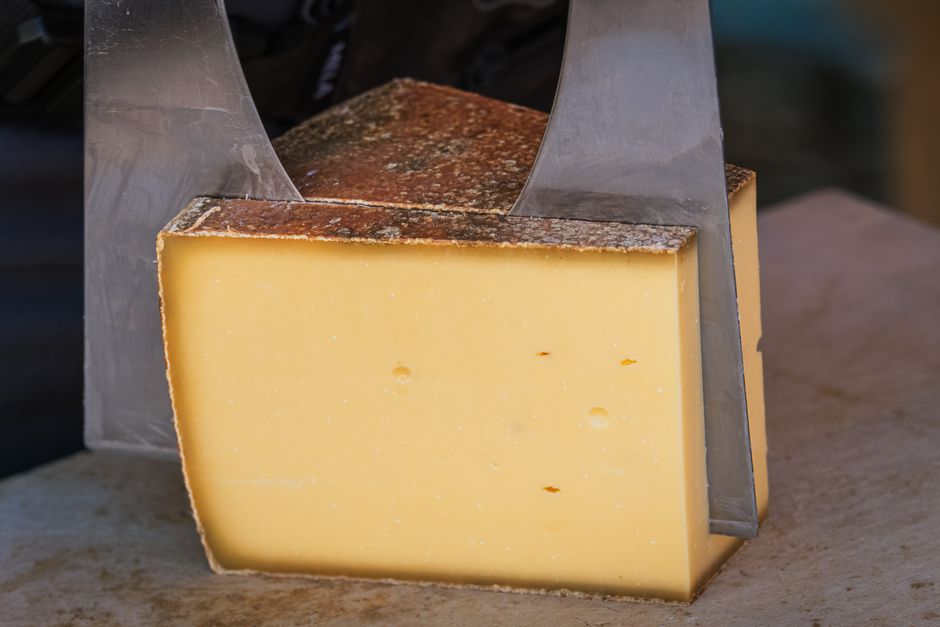
As soon as the temperature drops, fondue, raclette and tartiflette are back on the table. And every one of those classics is built around mountain cheese: cheese from the Alps or the Jura that melts smoothly and has a full, nutty flavor. Not every mountain cheese works equally well for every dish. In this article, we explain which one to pick for which classic, so you can get started at home without any guesswork.
Why mountain cheese melts so well
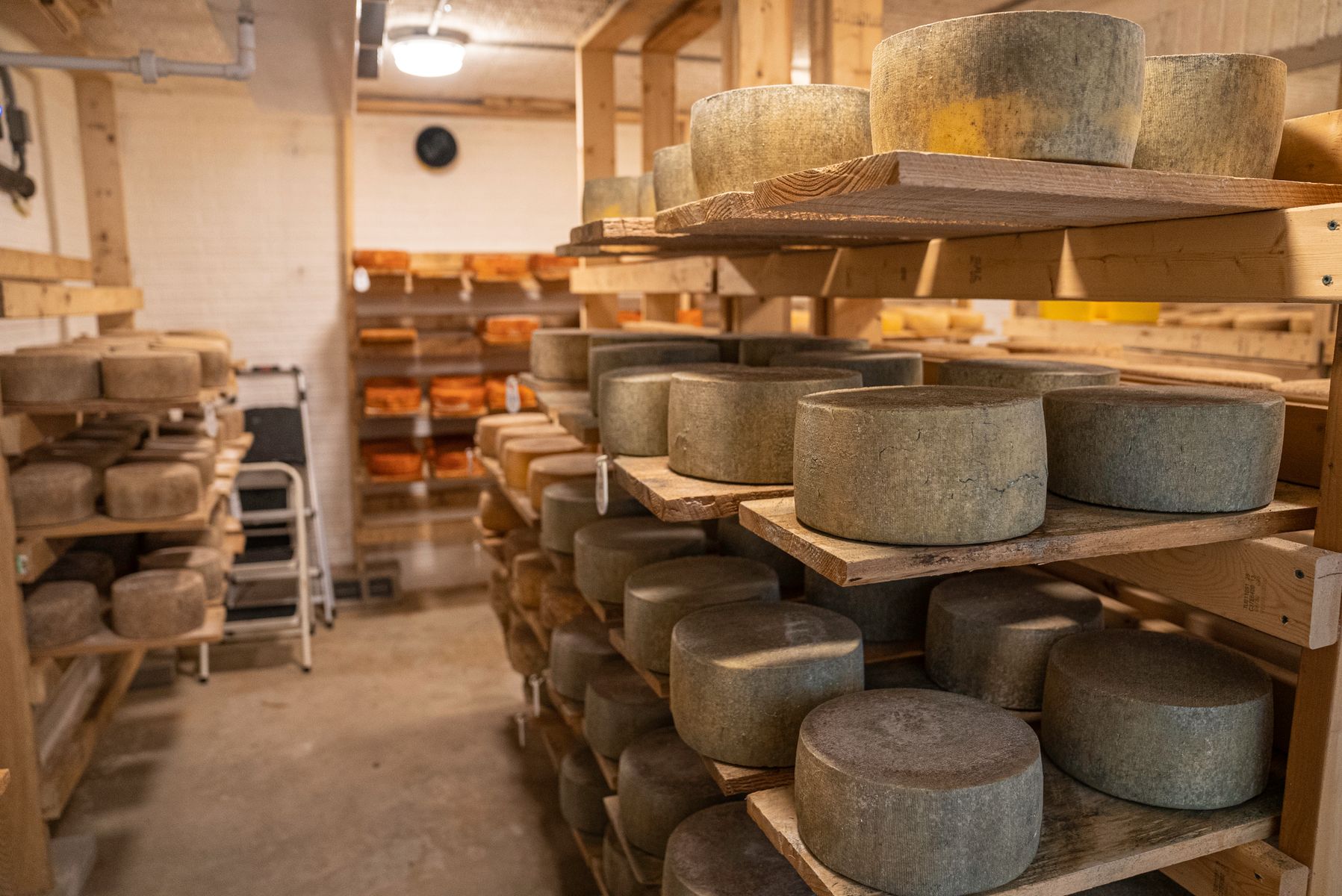
Mountain cheeses are made with milk from cows that eat grass and hay, often grazing on herb-rich alpine pastures in summer. The aging time varies from cheese to cheese, from a few weeks to more than a year. How smoothly a cheese melts depends on its moisture content, its acidity and its aging, among other things. The nutty flavor unfolds as soon as the cheese gets warm, and that is exactly what you want on a cold evening. A younger mountain cheese melts more smoothly and tastes milder, while an older one brings more character. You can read more about origin and types in our article what is mountain cheese.
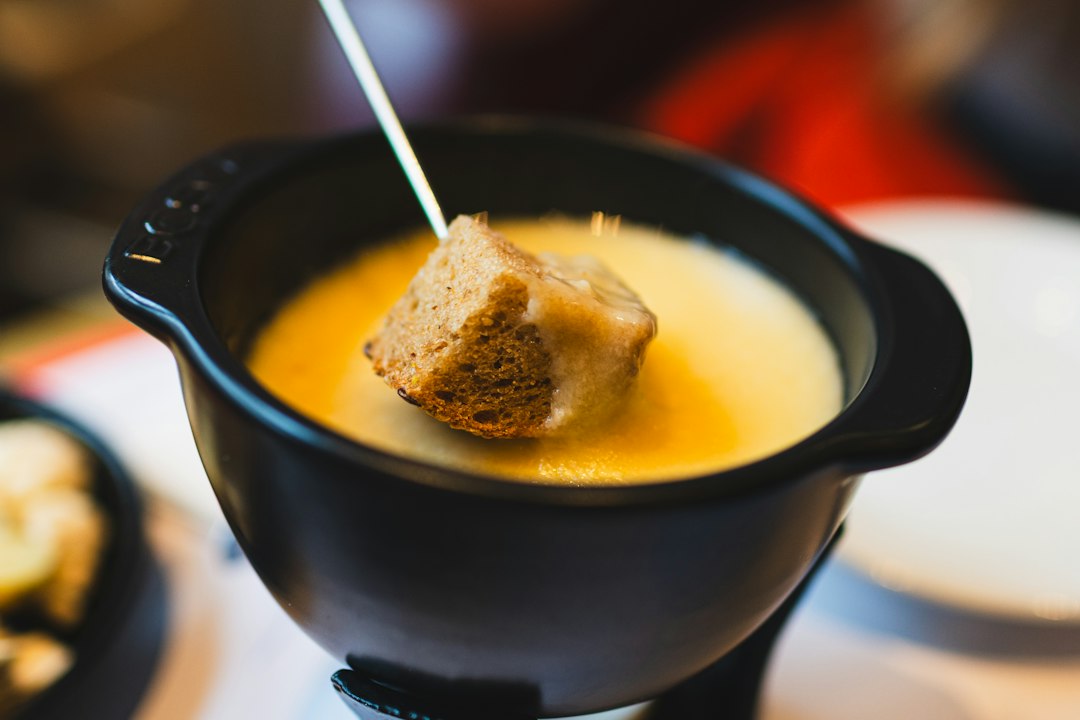
Fondue: Gruyère as the base, complemented by a second cheese
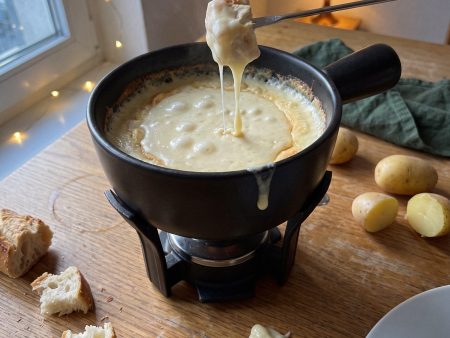
A good cheese fondue usually starts with a mix of mountain cheeses that complement each other. In Switzerland, Gruyère is often the base: tangy, nutty and with excellent meltability. Vacherin fribourgeois is added for the famous moitié-moitié (half and half), or Emmentaler for a milder, smoother fondue. Sometimes Appenzeller goes in for an extra spicy touch. In France, they prefer Comté or Beaufort, mountain cheeses from the Jura and Savoie with fuller, buttery notes. There is also a fondue made with only Vacherin fribourgeois, but a combination usually gives more depth and keeps your fondue from tasting flat. Not in the mood to mix your own? Then go for the freshly grated fondue mix The Classic cheese fondue, with Gruyère and Emmentaler already in the right proportions. You can read how to prepare the pot and keep it at the right temperature in how to make cheese fondue.
Raclette: melt and scrape
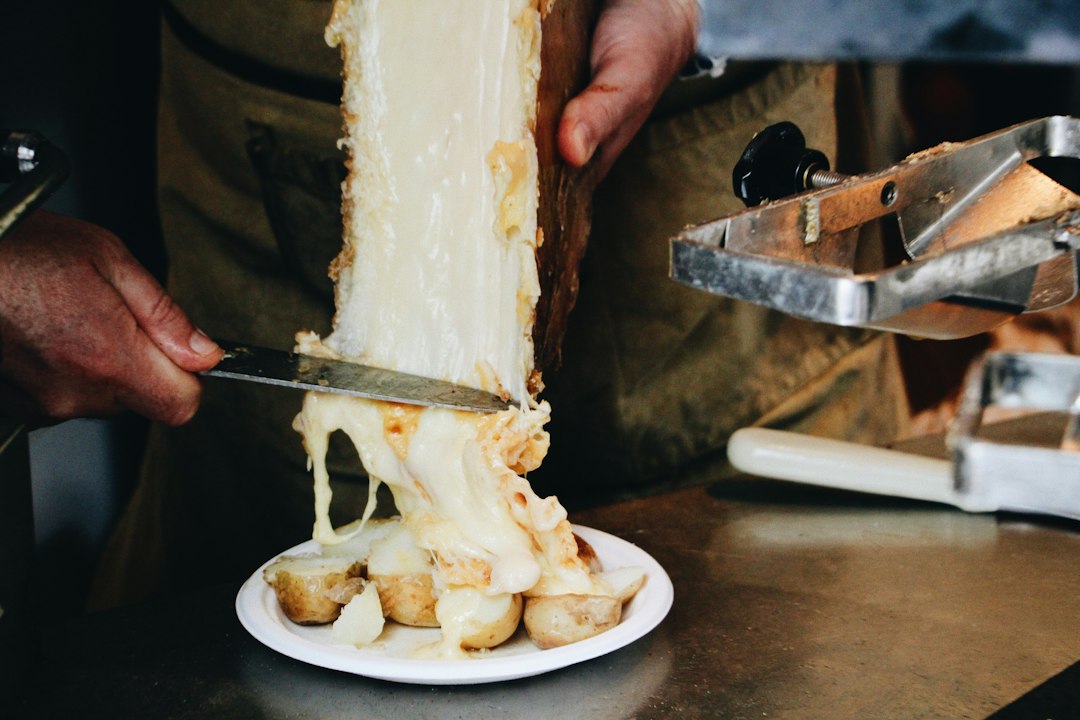
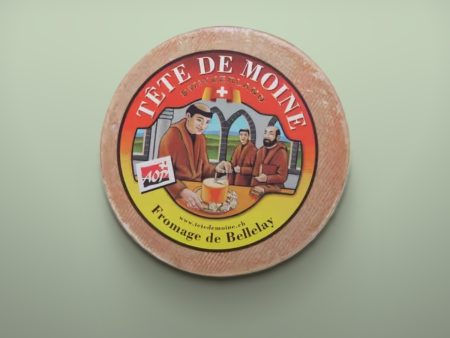
Raclette is all about a half wheel of cheese that you set in front of the heat, then scrape the melted top layer onto your plate. For that, you need a mountain cheese that turns smooth at low heat and doesn’t turn oily or grainy. Raclette du Valais AOP from Switzerland is the classic, but the French Raclette de Savoie IGP is excellent too. At home, a raclette grill usually works with small slices in little pans, and a younger, smoother mountain cheese does better there than a very old one. Serve it with baby potatoes, pickled onions, cornichons and dried ham for the true alpine feeling. Want something for the cheese board alongside your raclette? Tête de Moine from the Swiss Jura is a festive choice: you shave it with a girolle into thin little rosettes.
Tartiflette: Reblochon or Tomme de Savoie
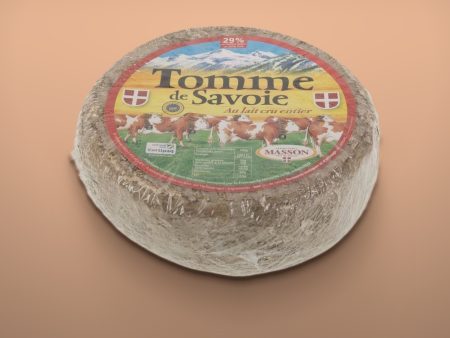
Tartiflette is a baked dish from Haute-Savoie with potatoes, bacon and onion, topped with a whole Reblochon that you slice in half through its thickness. In the oven, the cheese melts and the crust on top turns golden brown. Reblochon AOP is a semi-soft raw cow’s milk cheese with a washed rind and a creamy interior. If you can’t find it, Tomme de Savoie is a good alternative from the same region: it stays a bit firmer, but has that nutty flavor so typical of cheese from the Alps. Place the Reblochon halves rind-side up on the dish. If you choose Tomme de Savoie, cut it into thick slices and spread them over the dish, so the cheese slowly sinks into the potatoes while baking.
What about Mont d’Or?
The Vacherin Mont d’Or is a category of its own, a seasonal cheese from the Jura that you bake in the oven in its wooden box. It’s not a fondue, raclette or tartiflette, but it is the winter recipe par excellence: creamy cheese that you scoop up with bread or baby potatoes. We explain the difference between the French and Swiss versions in Mont d’Or or Vacherin Mont d’Or.
Want to taste for yourself?
At Cheese In A Box, you can easily order cheese online, including mountain cheese and various melting cheeses, and have it delivered fresh and chilled. Here’s what we have in store for your winter table:

Or let us surprise you every month with four special cheeses through our cheese subscription.