

Roquefort or Stilton: two names that instantly conjure up images for any blue cheese lover. The first comes from the limestone caves of southern France, the second from the English Midlands. Both carry a protected designation of origin, both are centuries old, and both belong on the cheese board of any Christmas dinner that wants to be taken seriously. Still, they are very different cheeses. In this blog, I put them side by side: milk, production, flavor, texture and occasion. So you know which one to order and why.
What makes Roquefort unique?
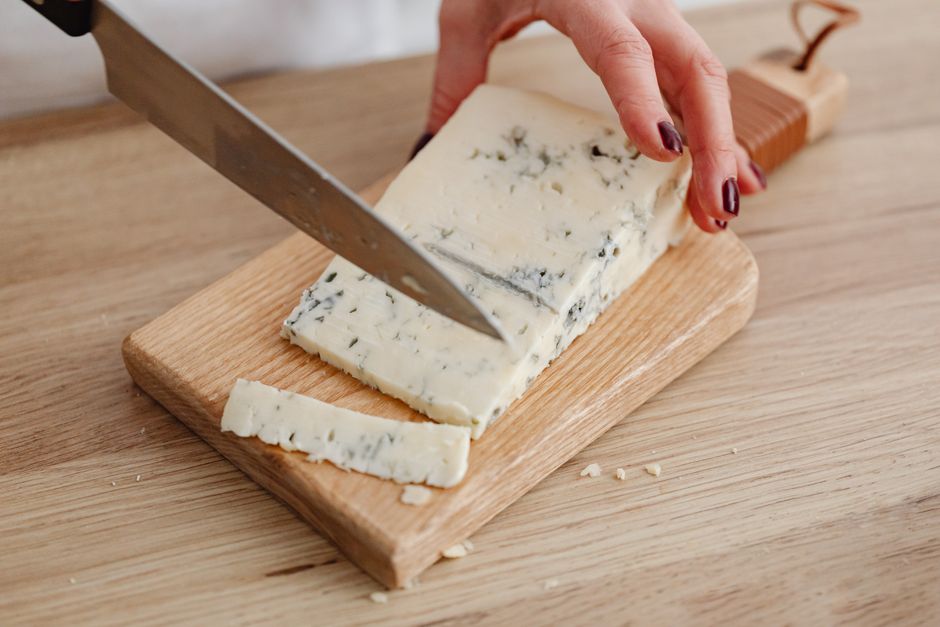
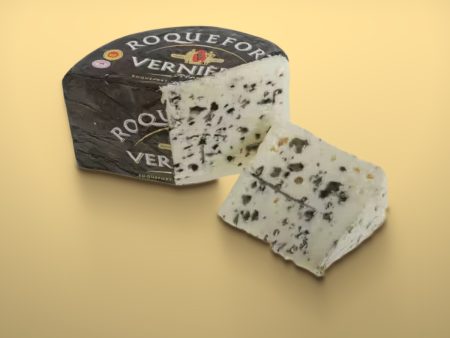
Roquefort is a French sheep’s milk cheese with AOP status, and it can only carry that name if it ages in the natural caves beneath the village of Roquefort-sur-Soulzon. These caves have cracks in the limestone (the so-called fleurines) that let cool, humid air flow in. This is where Penicillium roqueforti develops, the mold that is added during cheesemaking and gives the cheese its blue-green veins and bold flavor. Because Roquefort is made from raw sheep’s milk, the taste is intense: salty and sharp, with a creamy mouthfeel and a long finish reminiscent of almond and grass. With us you’ll find the Roquefort Vernières AOP, a traditional raw-milk Roquefort from the heart of the AOP region. You can read more about its origin and production in our blog on what Roquefort is.
What makes Stilton unique?
Stilton is the British counterpart: a blue cheese made from pasteurized cow’s milk, with a Protected Designation of Origin (PDO) that only allows production in the counties of Derbyshire, Leicestershire and Nottinghamshire. The cheese usually ages for six to twelve weeks and is pierced with stainless steel needles around week six, letting air in so the mold can grow along the channels. The result is more crumbly, slightly drier and a lot milder than Roquefort, with a faint bitter undertone and a creamy, buttery base. The veins are finer and more evenly distributed. Our Stilton is true Blue Stilton PDO from the English Midlands and a staple on Christmas cheese boards.
Flavor and texture: the key differences
When you taste the two cheeses side by side, the difference in texture stands out right away. Roquefort is soft, almost spreadable at room temperature, with large blue veins running irregularly through the cheese. Stilton is firmer and crumbles easily, with finer veining. In the mouth, Roquefort is moist and intense: salty and spicy, with the characteristic sheep’s milk note that brings to mind farmyards and wool. Stilton is drier, with a rounder buttery quality that settles into a light bitterness in the finish.
In short
- Milk: Roquefort uses raw sheep’s milk, Stilton uses pasteurized cow’s milk.
- Texture: Roquefort is creamy and spreadable, Stilton is crumbly and drier.
- Flavor: Roquefort is sharp and salty, Stilton is softer and slightly bitter.
- Veining: Roquefort has coarse, irregular veins, Stilton has fine, even ones.
- Origin: Roquefort comes from the limestone caves of southern France, Stilton from central England.
Which blue cheese suits which moment?
Roquefort shines on a luxurious cheese board after a hearty dinner, as a finale for lovers of intense flavors. A slice on warm, lightly toasted walnut bread with a spoonful of honey: that’s the classic way. Or crumble a little over a steak while it rests, so the cheese melts into the juices. Stilton belongs to English Christmas traditions: with a glass of port, on crisp crackers, with a slice of pear or a spoonful of fig jam. Thanks to its milder flavor, Stilton is also the cheese that lets you gently win over guests who don’t normally eat blue cheese.
Looking for something in between? Then Saint Agur is a great middle ground: a French cow’s milk cheese from the Auvergne, milder than Roquefort and creamier than Stilton, almost spreadable with just enough kick. And if you want to discover the gentle side of blue cheese, Blu’61 from Veneto is a revelation: finished with passito wine and cranberries, with a sweet, jammy note. Also check out our blog on Shropshire Blue, another British member of the blue cheese family with a striking orange color.
Serving and pairing
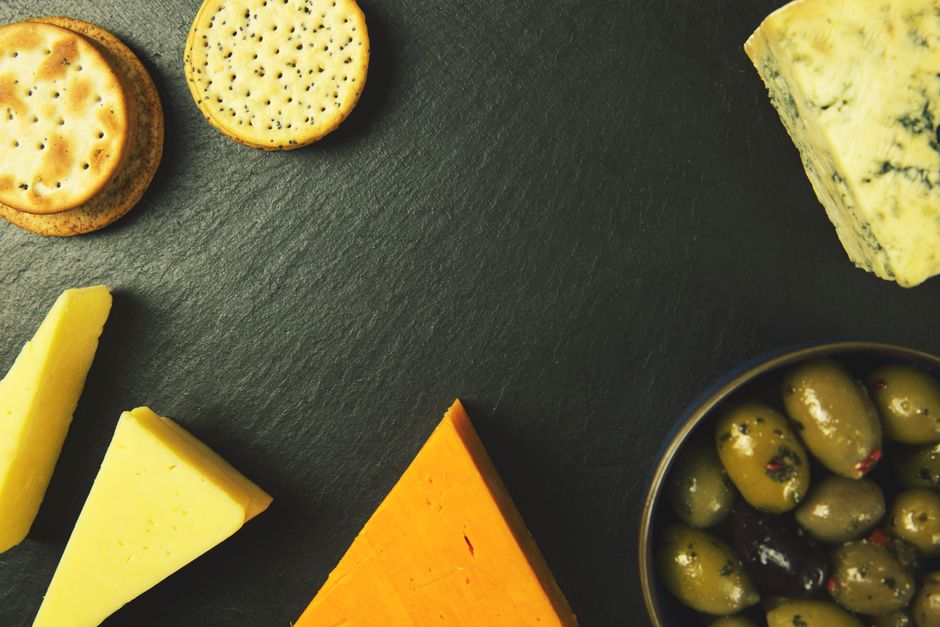
Take blue cheese out of the fridge at least half an hour before serving. Cold mutes the aromas, and with Roquefort and Stilton, the character lives in those aromas. Serve at room temperature and don’t slice too thin. Pair with sweet companions: port, Sauternes, fig bread, honey, quince jelly, pears or walnuts. Avoid sharp tannins with Roquefort (heavy tannin clashes with the salt) and go for a sweet dessert wine or a powerful vintage port with Stilton. A traditional English pairing is Stilton with celery sticks and oatcakes. A French classic is Roquefort with half a fresh fig and a drizzle of acacia honey. You’ll find more tips on ordering cheese for the holidays on our homepage and in our blog on ordering foreign cheese.
Want to taste for yourself?
At Cheese In A Box, we carry both classics and more blue cheeses, freshly cut from the wheel:
Want to taste special cheeses regularly without having to choose every time? Then take a look at our cheese subscription: every month, four carefully hand-picked cheeses from all over Europe, including a blue cheese every now and then to keep challenging your taste buds.