At the market, customers often ask us about “that cheese with the red rind.” A red-rind cheese can mean very different things: a Dutch cheese with a red coating, or a washed-rind cheese whose rind turns red during aging. In this article, you’ll learn which is which and how to tell them apart.
Two types of red-rind cheese
When it comes to cheese, red refers to the outside and says very little about the flavor. If you search for red cheese or cheese with a red rind, you’ll find cheeses that taste and smell completely different from one another.
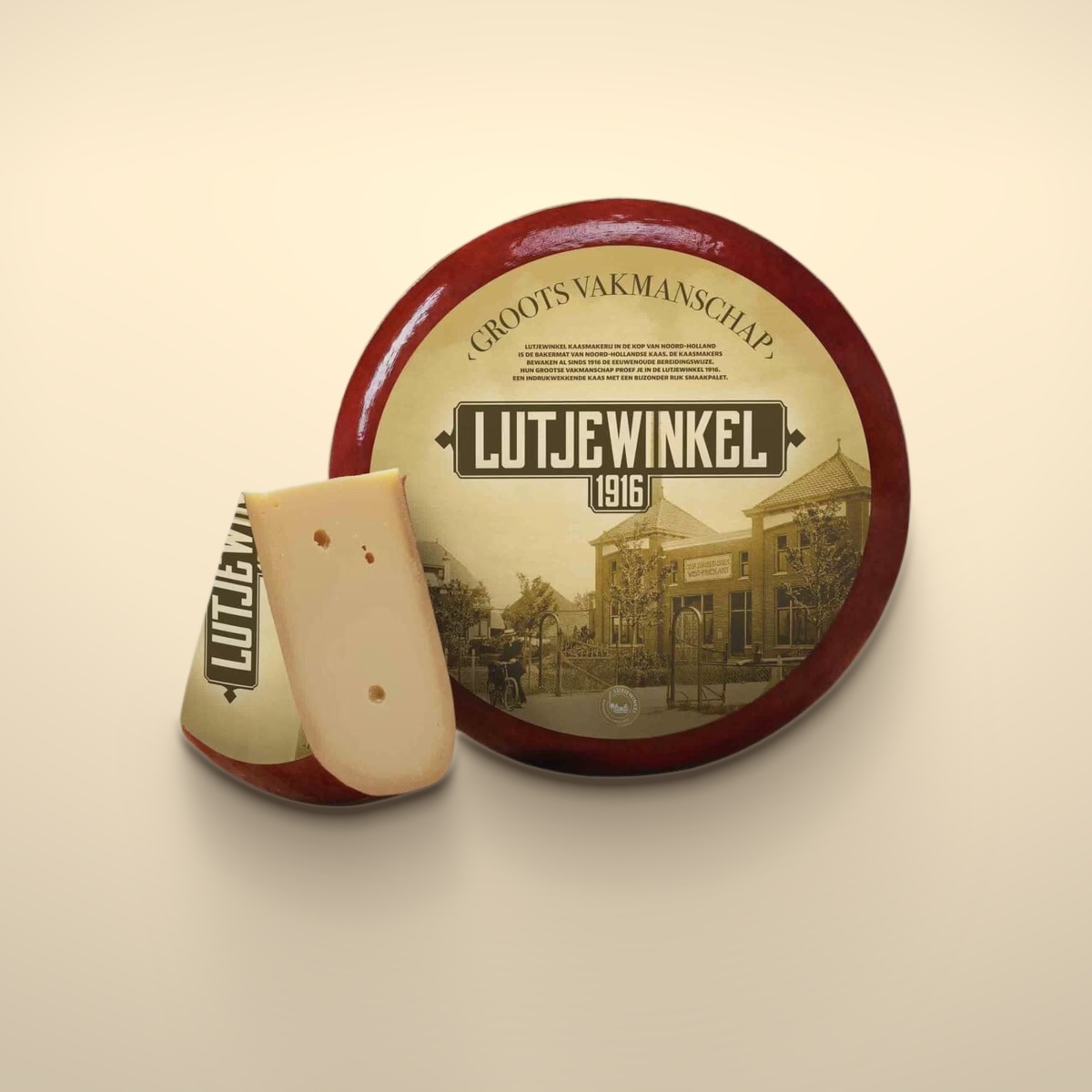
- A Dutch cheese with a red rind, such as Lutjewinkel1916 Spicy & Creamy. This is a Gouda, and the red rind is not meant to be eaten.
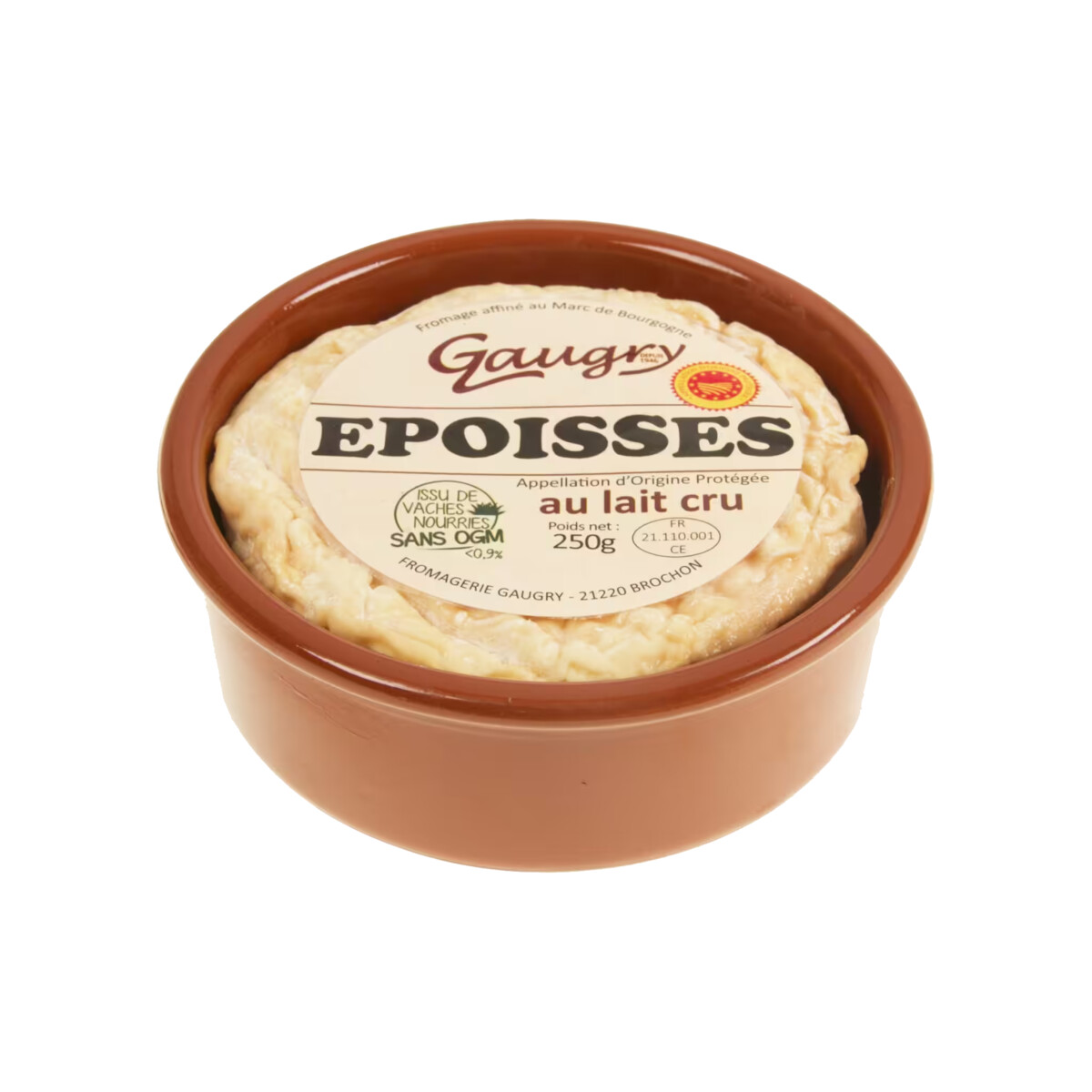
- Washed-rind cheese. The rind is washed repeatedly during aging, which gives it a red-orange color. This rind you can eat.
The Dutch cheese with a red rind: Lutjewinkel1916 Spicy & Creamy
If the red Lutjewinkel is what you’re after, you’re looking for Lutjewinkel1916 Spicy & Creamy. It’s a Noord-Hollands Gouda made from 100% Noord-Hollands pasture milk, produced at the Lutjewinkel creamery in the Kop van Noord-Holland, where they’ve been making cheese since 1916.
Within the Lutjewinkel 1916 range, this is the most approachable cheese. You can taste the spice, but it doesn’t dominate, and the creaminess keeps it smooth. The cheese is semi-firm and slices beautifully, making it just as good on bread as on a cheese board. It’s also great in a toastie or alongside a bowl of soup, with a glass of white wine, a lager, or apple juice.
The red rind is a cheese coating and not for eating. Cut it off before you serve the cheese.

If you’d like more strength from the same range, take a look at the Intens & Royaal.
Washed-rind cheese: color that comes from washing
With washed-rind cheeses, the color develops during aging. The cheese is washed again and again with brine, beer, wine, or spirits. In that moist, salty environment, Brevibacterium linens thrives, the bacterium that turns the rind red-orange and gives the cheese its distinctive aroma. The more often and longer the cheese is washed, the stronger the color, smell, and flavor.
The aroma is often more intense than the flavor, because underneath the rind there’s usually a creamy, soft interior. There’s a lot of variety within this group: an Époisses is intense and spicy, a Taleggio bold but supple, and a Morbier soft and fruity. You can eat the rind of a washed-rind cheese. If it’s too strong for your taste, just leave it.
Lutjewinkel1916 Spicy & Creamy doesn’t belong in this group. It’s a Gouda with a rind you don’t eat. You can read all about the washing process, the flavor, and how to store washed-rind cheeses in What is washed-rind cheese?
How to tell them apart
Whether you’re standing at the counter or browsing a webshop, these two questions will help.
- How does it smell? A washed-rind cheese is easy to recognize by its strong aroma, which comes from the bacteria on the washed rind.
- What color is the rind? Washed-rind cheeses are red-orange. The Lutjewinkel rind is red.
Can you eat the red rind?
It depends on the cheese. With Lutjewinkel1916 Spicy & Creamy, no: the rind comes off. With an Époisses or Taleggio, yes, the rind is part of the flavor.
Which red-rind cheese are you looking for?
If you want a cheese for on bread, in a toastie, or on a cheese board, Lutjewinkel1916 Spicy & Creamy is a great choice. If you prefer a cheese with a pronounced aroma and a soft, creamy center, start with the washed-rind cheeses. Order them from us freshly cut.