

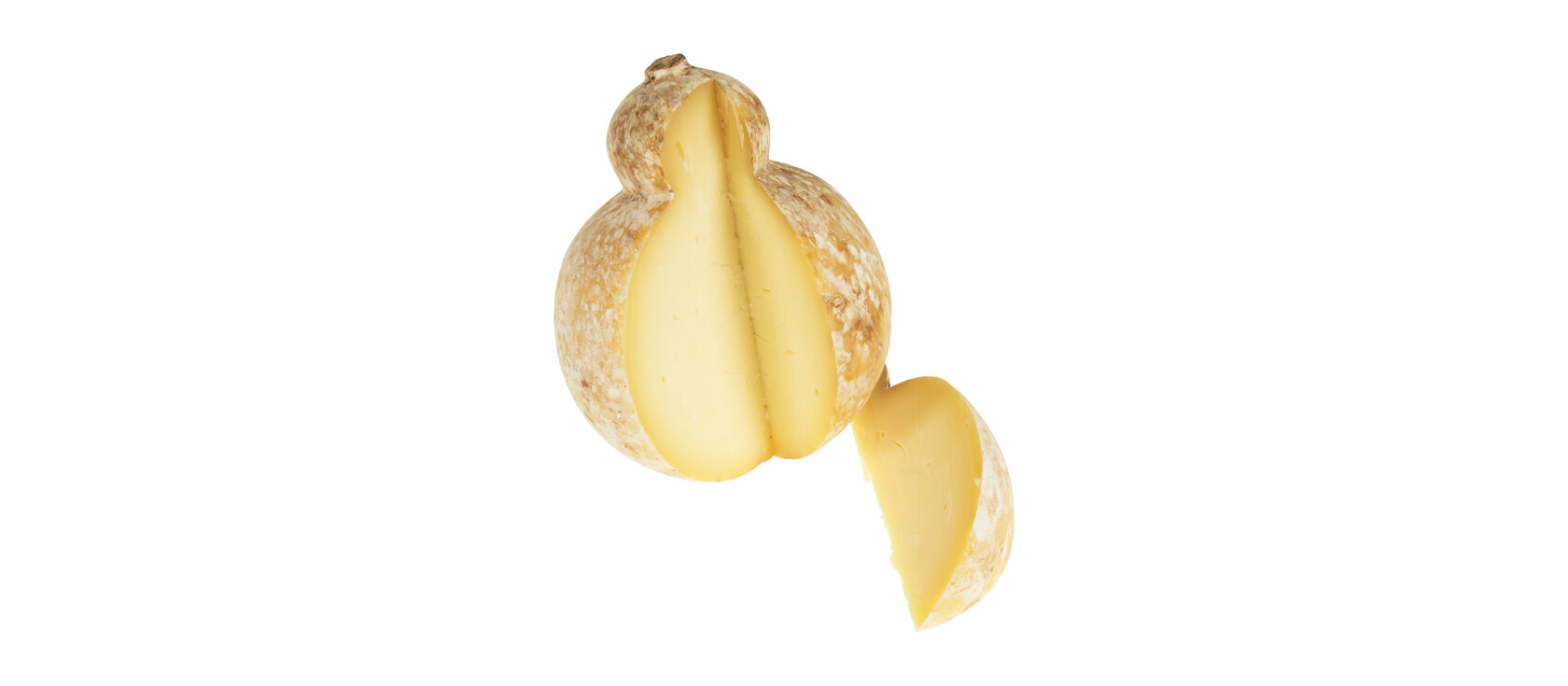
Provolone is an Italian cheese that comes in two very different forms. The mild variety melts on your tongue, while the aged version has a firm bite reminiscent of a good Parmesan. What makes this cheese so special, and why is it a staple of Italian cuisine?
Origin and production
Provolone originally comes from southern Italy, where it has been made for centuries using the pasta filata method. This means the curd is kneaded and stretched in hot water, similar to mozzarella. The difference is that provolone is then hung to age, sometimes for months.
The cheese is traditionally made in large pear or sausage shapes and hung on ropes. You’ll recognize that distinctive form in Italian delicatessens all over the world.
Two styles: dolce and piccante
There are two main types of provolone, and the difference is significant:
- Provolone dolce ages for just 2 to 3 months. The result is a soft, mild cheese with a creamy flavor. Perfect on bread or as a table cheese.
- Provolone piccante ages for at least 4 months, often longer. The flavor becomes sharper, more pungent and more complex as the cheese matures. A well-aged piccante has an intensity you won’t soon forget.
The difference between the two goes beyond aging time. The piccante variety is often made with calf rennet instead of lamb rennet, which contributes to its sharper flavor.
How to use provolone
Provolone is incredibly versatile in the kitchen:
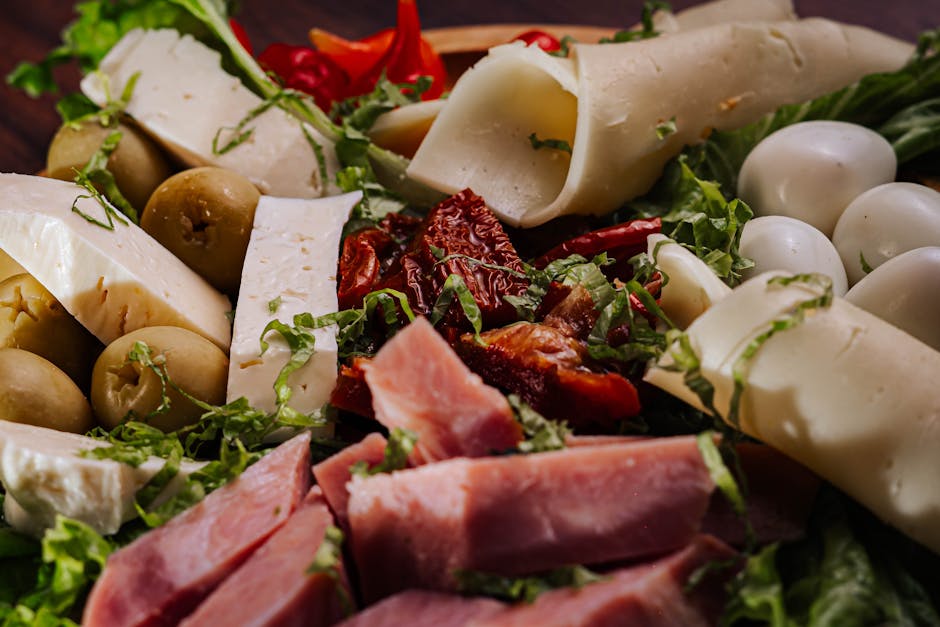
- On a cheese board: the piccante variety makes an excellent addition alongside softer cheeses. The contrast in flavor and texture makes your cheese board far more interesting.
- Melted: provolone dolce melts beautifully. Perfect for toasted sandwiches, baked dishes or as a topping on Italian focaccia.
- With pasta: grated over pasta, it’s a flavorful alternative to Parmesan with a character all its own.
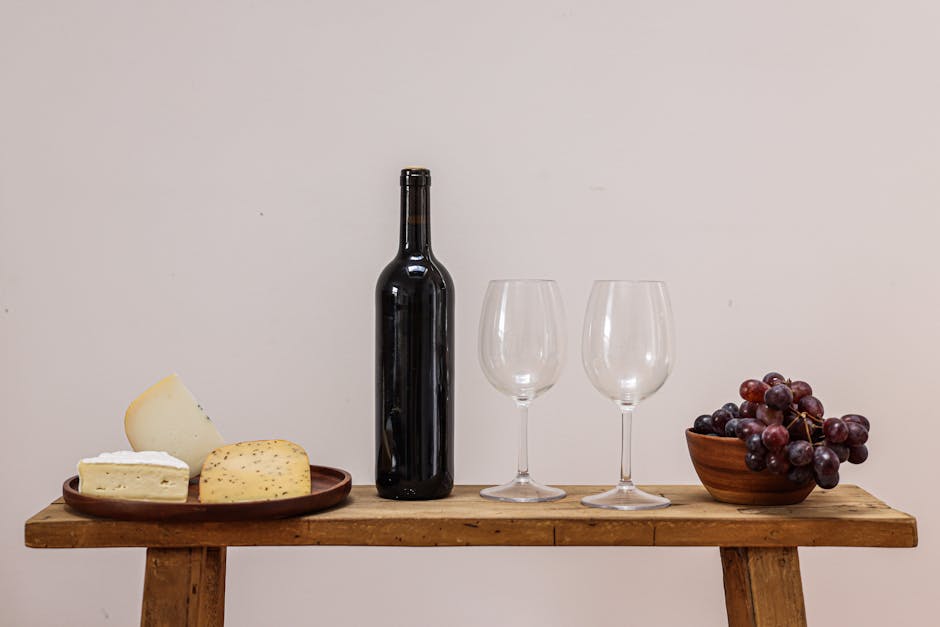
- On its own: a piece of piccante with a glass of red wine is Italy at its finest.
Provolone and health
Like most hard cheeses, provolone is rich in calcium and protein. A 30-gram serving contains around 7 grams of protein. Thanks to its longer aging, the piccante variety tends to be easier to digest for people who are sensitive to lactose.
Curious how provolone compares to our own cheese traditions? Check out our article on Gouda.
A fan of Italian cheese?
Provolone has previously featured in our cheese subscription. While we don’t currently sell provolone individually, we carry plenty of other top Italian cheeses:
- Grana Padano DOP, the versatile Italian hard cheese, perfect for grating
- Parmigiano Reggiano, the king of Italian cheeses
- Pecorino, a sharp sheep’s milk cheese from central Italy
- Taleggio, a soft washed-rind cheese with a full, rich flavor
- Gorgonzola, a creamy Italian blue cheese
Want to try some?
At Cheese In A Box we carry these cheeses, freshly cut to order:
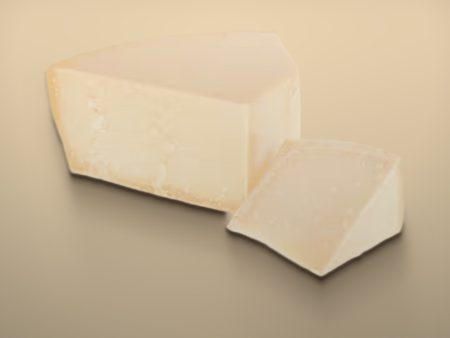
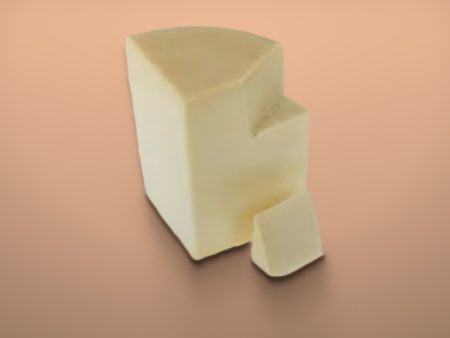
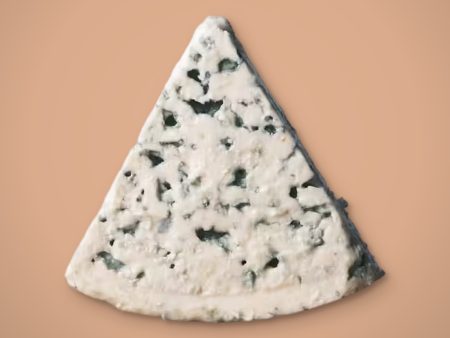
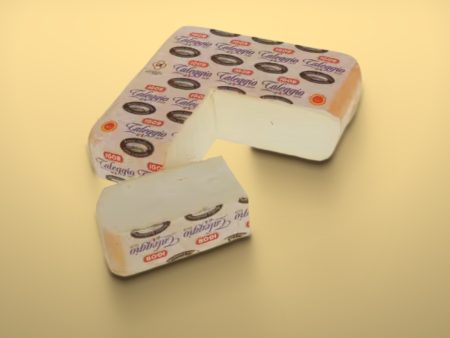
Or let yourself be surprised by our cheese subscription: 4 special cheeses delivered to your door every month.
Discover all our international cheeses or let our cheese subscription surprise you: every month, 4 special cheeses, freshly cut and delivered free to your door.
A fan of special international cheeses? Order special cheese in our webshop and taste the difference.
Other pasta-filata cheeses
Our guides on two fresh pasta-filata relatives of provolone:
Frequently asked questions about provolone
What is provolone?
Provolone is an Italian pasta filata cheese from southern Italy. The curd is kneaded and stretched in hot water, then hung to age. Traditionally made in large pear or sausage shapes hung on cords.
What is the difference between provolone dolce and piccante?
Dolce ages 2-3 months and is soft, mild and creamy. Piccante ages at least 4 months (often longer) and is sharper, spicier and more complex. Piccante is often made with kid rennet instead of lamb rennet, which further intensifies the flavour.
How do you use provolone in the kitchen?
Provolone dolce melts beautifully on toasted sandwiches, oven bakes or focaccia. Piccante is excellent on a cheese board, grated over pasta as an alternative to Parmesan, or simply with a glass of red wine.
Is provolone suitable for people with lactose intolerance?
The piccante variant is somewhat easier to digest for those mildly sensitive to lactose, thanks to its longer ageing. With true lactose intolerance caution still applies; consult your doctor if in doubt.